
Last updated November 23, 2026
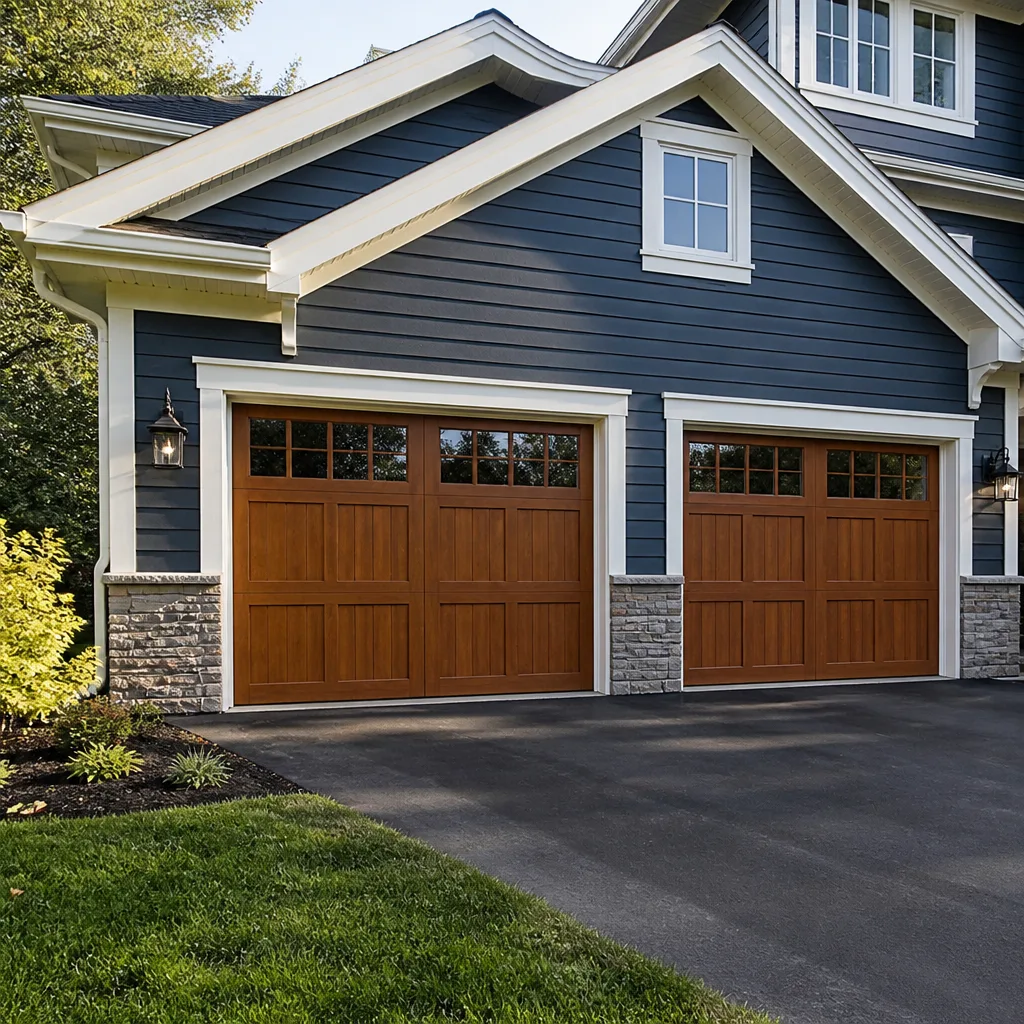
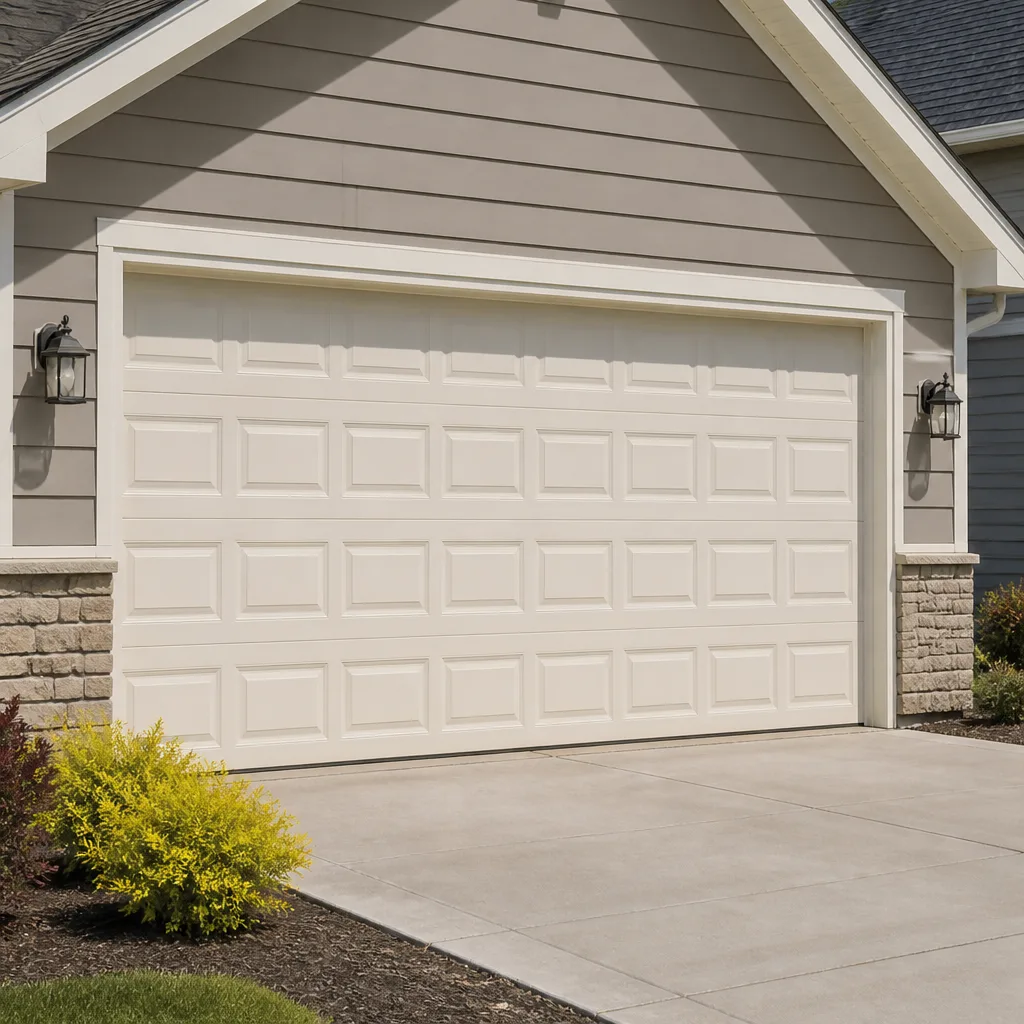 Raised-panel steel
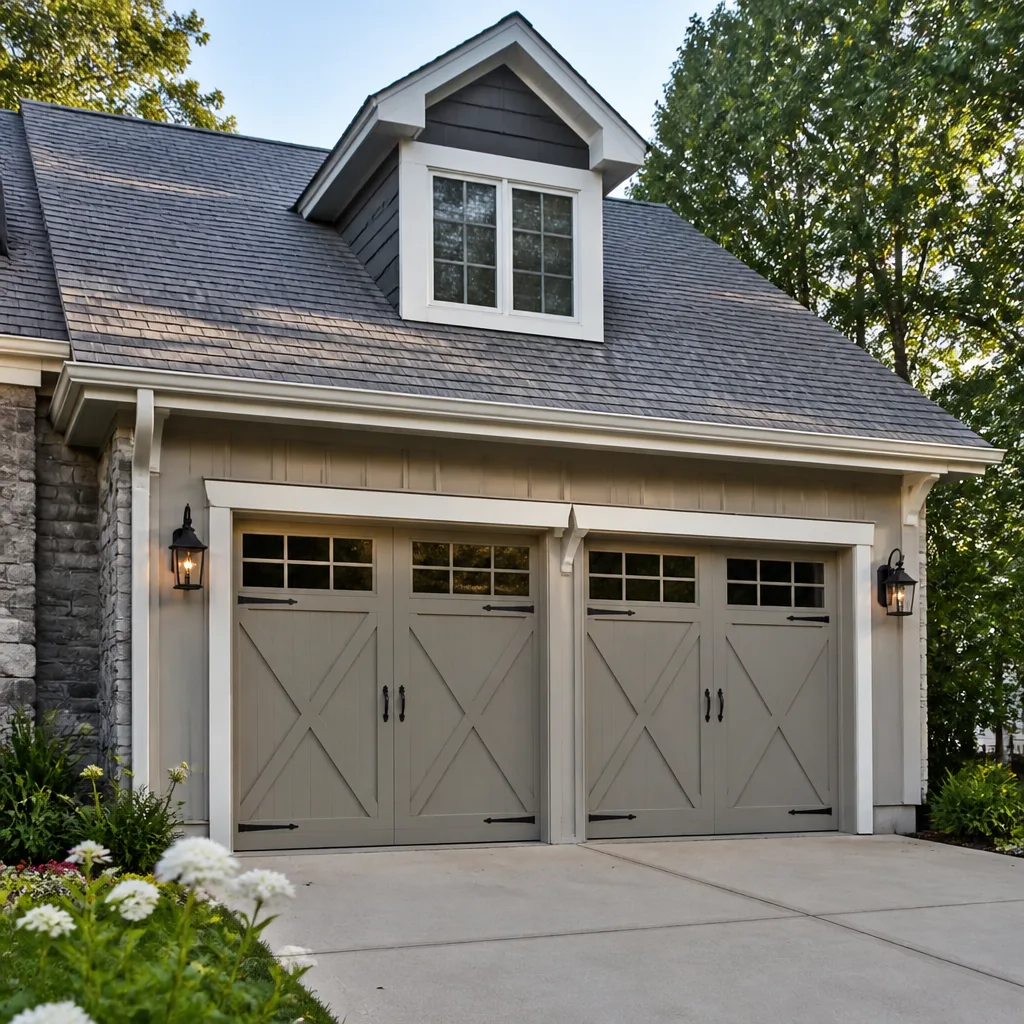 Carriage house
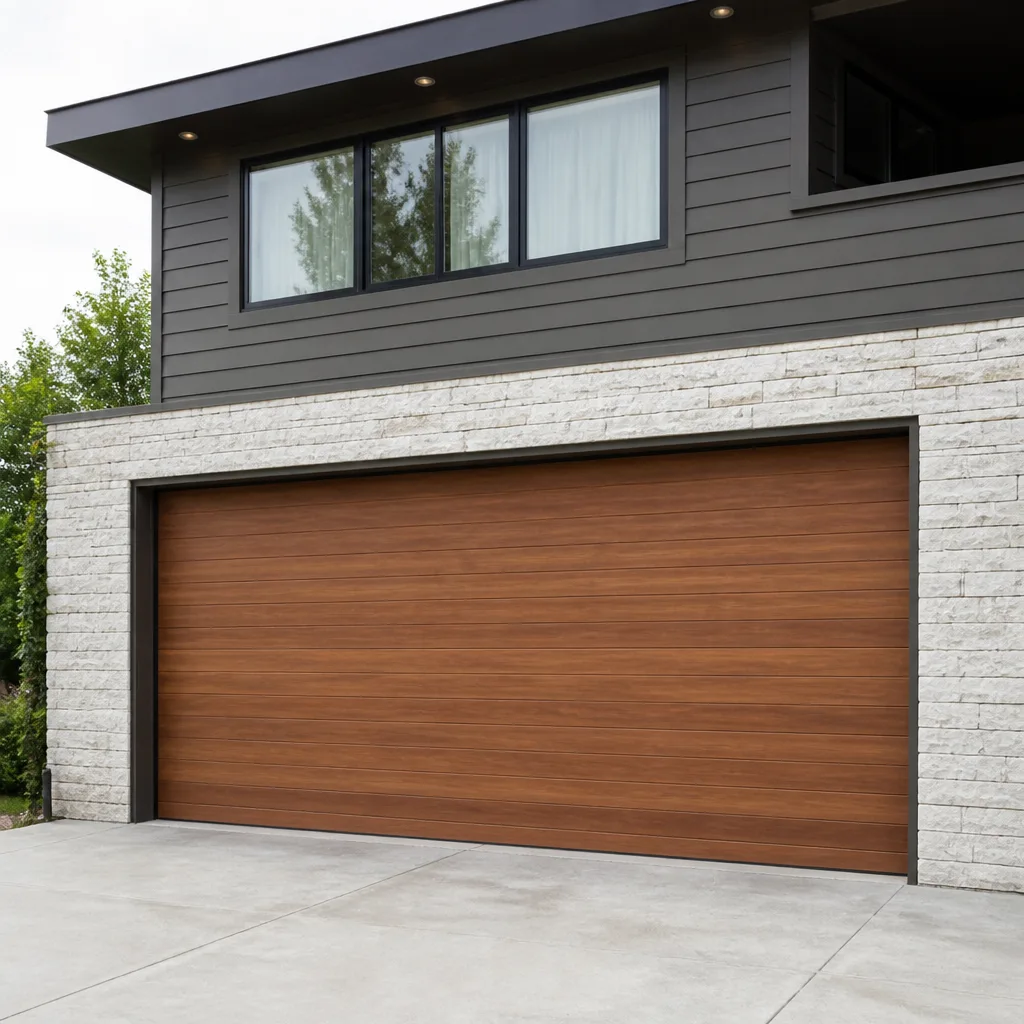 Modern flush
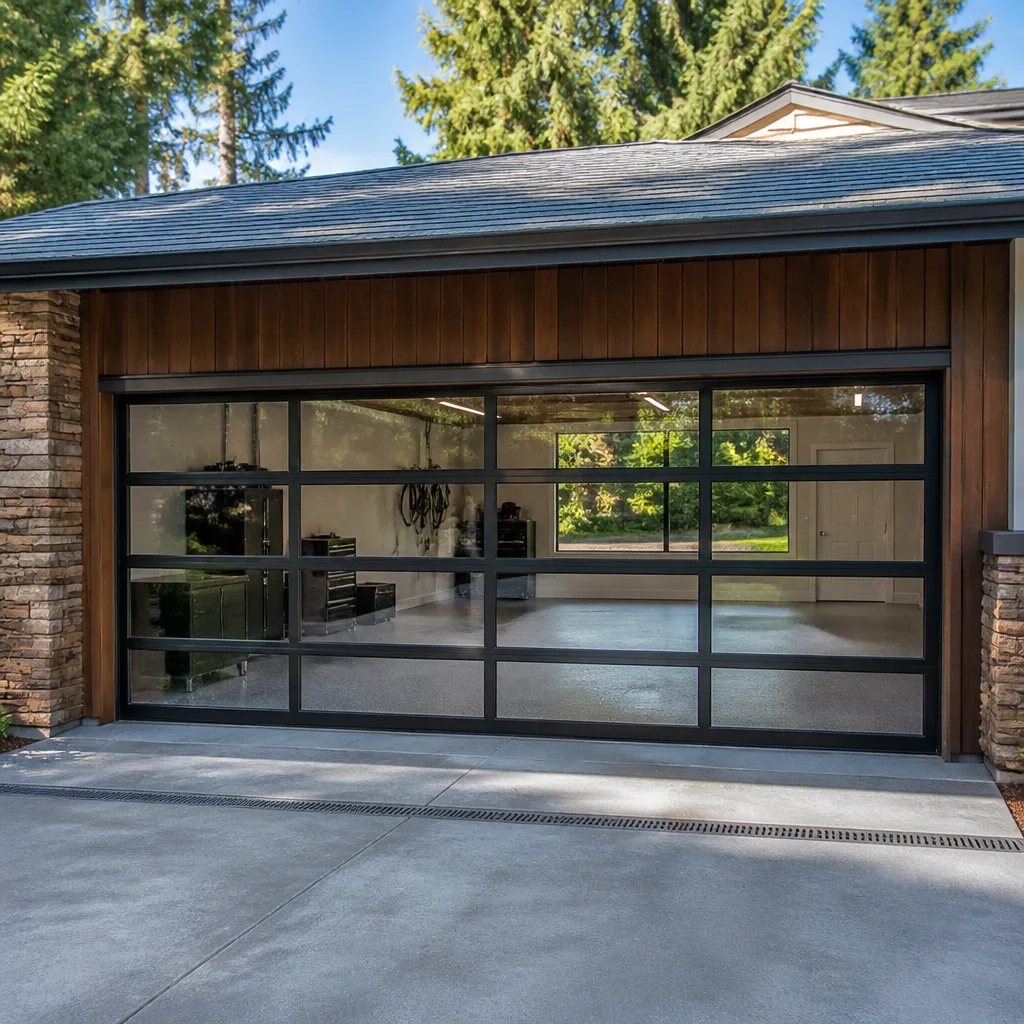 Full-view glass
 LiftMaster openers
 Chamberlain openers
Full 25-point door and opener safety check with every visit - springs, cables, rollers, tracks, and your LiftMaster or Chamberlain opener included
You get a price before we start. It does not change when the pro arrives.
Get your free estimateGarage Door Warning Signs: A Clinton Homeowner’s Reference Guide
Most warning-sign lists describe problems that have already become emergencies: a door that won’t open, a spring that’s snapped, a car trapped inside. By the time those symptoms show up, you’re not diagnosing anything – you’re reacting. The useful signals arrive earlier, and they’re mechanical. A cable frays at the drum groove for months before it lets go. A roller flattens before the door starts to drag. A hinge wears thin before it tears out of the panel. This guide walks through those early signals component by component, so a Clinton homeowner can act on a small adjustment now instead of an emergency repair later.
Quick Answer
The earliest garage door warning signs are frayed cable strands at the drum, flat-spotted or chipped rollers, hinges that no longer hold their panels tight, a door that opens unevenly, and an opener that lags or reverses in stutter steps. A door that bangs, grinds, or pops is telling you which component is failing. Catching these signals early usually means a focused adjustment or a single part; ignoring them tends to turn one worn component into several damaged ones. If you’re in Clinton and any of these sound familiar, the smart move is a hands-on inspection before the door stops working entirely.
Styles & brands we work with
- Raised-panel steel
- Carriage house
- Modern flush
- Full-view glass
- LiftMaster openers
- Chamberlain openers
Table of Contents
- Fraying Cables and What the Early Stages Look Like
- Worn Rollers, Stressed Hinges, and Track Wear
- The Manual Balance Test: Passing Versus Borderline
- Grinding Roller or Popping Spring? Reading the Sounds
- Why a Door Opens Unevenly
- Warning Signs Inside the Opener
- Clinton Conditions That Accelerate Wear
- When to Call a Professional
Fraying Cables and What the Early Stages Look Like
The steel lift cables on a garage door run from the bottom bracket up and over the drum at each end of the torsion shaft. Under normal tension they wind in even coils. When a cable begins to fail, it rarely fails all at once. It frays, and it frays most often where it seats into the drum groove.
A healthy cable looks like a tight, uniform bundle of steel strands. An early-stage failing cable shows a few loose strands sticking out from the bundle – like a rope that’s been rubbed against something sharp. You’ll see this at the drum end more often than at the bottom bracket. You might also spot a slight kink or a spot where the cable sits unevenly in the groove instead of nesting cleanly.
Clinton homeowners should treat a visibly frayed cable as urgent, not “wait and see.” A cable that breaks while the door is up can let the door drop unevenly and damage the panels, the tracks, and sometimes the opener. If you can see broken strands, stop operating the door manually and treat it as a service call. This is one of the components where the risk of a DIY fix outweighs the savings by a wide margin; when a cable or spring is stressed, the safest path is a trained technician with the right tools.
What to Look For at the Drum
- Loose wire strands poking out of the cable bundle
- Cable wrapped unevenly or riding out of the drum groove
- Rust streaks or a dull, discolored section of cable
- Cable slack on one side when the door is closed
- A visible gap or split in the outer wrapping near the drum
Why Cables Fray in the First Place
Repeated winding and unwinding across the drum groove is what wears them out. A slightly misaligned drum, a kinked cable from an earlier repair, or a door that’s been running out of balance all add stress. When you book garage door repair, the technician should inspect both cables and both drums, not just the one that’s visibly failing. Cables are matched pairs most of the time.
Worn Rollers, Stressed Hinges, and Track Wear
Rollers and hinges are the quiet wear items on a garage door – the parts that degrade slowly and announce themselves through noise and resistance long before they fail outright. Rollers are usually nylon or steel; both flatten at the tread over time, especially steel rollers that develop flat spots from the door sitting closed for long stretches. Nylon rollers tend to chip and crack rather than flatten.
What does a worn roller look like? Take a look at the rollers visible at the top of the tracks with the door closed. A healthy roller is round and smooth. A worn one has a visible flat spot, a chip in the tread, or a wobble when you move the door a few inches by hand. You might also see grease streaks where the roller has been dragging.
Hinges are the next link in the chain. A hinge is a small metal plate holding the door panels together at the joints. Over time, the pivot wears, the plates bend, or the screws work loose. You’ll notice this as a gap between panels, a rattle when the door moves, or a visible score line on the hinge itself. On a Wayne Dalton or Amarr door, the hinge style is brand-specific, which is why we keep the quirks of those systems on our short list of things to know before we arrive.
Track Wear Signals
The vertical and horizontal tracks should be straight and evenly spaced. Signs of trouble:
- Visible dents or bends in the track, especially at the curve
- A gap between the track and the door’s edge that’s wider at the top than the bottom
- The door making contact with the track on one side
- Loose track bolts or mounting brackets pulling away from the wall
Bent tracks aren’t cosmetic. A bent track can push the door off its rollers, and a door that jumps the track is a call-now situation. If you’re not sure whether the track is bent or just looks off, an inspection is the cheapest answer you’ll get.
The Manual Balance Test: Passing Versus Borderline
The manual balance test is the simplest diagnostic a homeowner can run. It tells you whether the springs are carrying the door’s weight properly, and the result – pass, borderline, or fail – tells you how urgently to act on the spring side of the system.
Here’s how it works. With the door closed and the opener disconnected using the manual release (usually a red cord hanging from the rail), lift the door by hand to about waist height and let go. A balanced door will stay put, or drift only slightly. An unbalanced door will drop hard on its own or creep back up.
- Disconnect the opener with the manual release cord.
- Lift the door by hand to about halfway up.
- Let go and watch what happens.
- Try the same test at knee height and at chest height.
Passing, Borderline, Failing: What the Result Means
- Passing: The door stays within a few inches of where you let go at any height. Springs are carrying the load correctly.
- Borderline: The door drifts several inches on its own, or drops slowly. The springs are still working but losing tension – this is the “get an inspection before the season ends” zone.
- Failing: The door drops hard or won’t hold at all. The springs are shot, and the door shouldn’t be operated until they’re repaired.
A borderline result is the most useful one in this whole guide. It’s the exact stage where a garage door spring repair visit is still a focused repair rather than an emergency service call. Springs are under extreme tension, and a spring under load can hurt you badly if it’s handled with the wrong tools, so keep the test to lifting the door by hand and leave the springs themselves to a trained technician. In our experience, most homeowners who catch a borderline door end up with a cleaner repair than the ones who wait for a pop.
Grinding Roller or Popping Spring? Reading the Sounds
Garage doors have a small vocabulary of sounds, and each one points to a different component. Here’s a working translation for Clinton homeowners:
- A grinding or scraper sound: usually a worn roller, a dry track, or a bent track section. If the sound is consistent at one spot on the door’s travel, it’s likely a specific roller or track point.
- A squeak or chirp: dry hinges, dry rollers, or a torsion shaft that’s lost its lubrication. Usually the least urgent sound, and often something a tune-up can address.
- A single loud pop: often a torsion spring failing. If the door’s balance test result just went from passing to failing, that pop was almost certainly one of the springs.
- A bang at the end of travel: the door is hitting the floor or the top limit too hard. Often an opener limit switch adjustment issue or a failing spring that’s lost tension.
- A rattle at speed: loose hinges, loose track bolts, or a loosened bottom bracket.
How to Pin Down Which Sound Is Which
Stand inside the garage, with the door closed and the opener disconnected, and lift the door slowly by hand. Listen for the sound as the door moves. If the grinding or squeaking tracks a specific point on the door, that’s a strong signal it’s tied to a specific roller or hinge. If the sound is steady through the whole travel, it’s more likely a track, spring, or opener issue.
Don’t run the door with the opener while you’re diagnosing sounds by hand. The opener can mask an emerging problem, and if a spring is popping, you want the door stopped, not cycling.
Why a Door Opens Unevenly
A door that rises faster on one side than the other is not a cosmetic issue – it’s a symmetry problem. On most doors, the two sides of the door are driven by matched springs on either end of a torsion shaft, or by paired extension springs above each horizontal track. When the springs match, the door rises level. When one loses tension faster than the other, the door tilts.
The most common cause of an uneven door is a spring on one side that’s lost tension, either from age or from an earlier repair that replaced only one spring instead of a matched pair. The second most common cause is a frayed cable on one side that’s dragging against the drum. Both produce the same visible symptom, and both are why a trained eye is more useful than a guess.
A door that opens unevenly can also wear the tracks unevenly. The side that lifts later drags against the rollers and the hinge plates. Over time, that drag turns into bent hinges, bent tracks, and eventually a door that jumps the track. A door that’s opening evenly today could be a couple of months away from opening unevenly because a spring is losing tension. That’s why the balance test matters – it catches the problem before the tilt becomes visible.
What to Check Before You Call
- Is the tilt consistent, or does it appear only at certain heights?
- Does the door tilt more at the start or end of travel?
- Is there a visible gap between the panels on one side?
- Does the door hesitate or stall on one side?
Any consistent tilt is a call-an-inspection signal. Ignoring it costs more than fixing it.
Warning Signs Inside the Opener
The opener is the brain of the system, and its early warning signs are quieter than the door’s. Here’s what to watch for, especially on Wi-Fi-enabled LiftMaster or Chamberlain units and Genie openers with app connectivity.
- Lag time on startup: a short delay between pressing the button and the motor engaging. Usually a sign of a straining motor or a capacitor starting to fade.
- Stuttering reversal: the door reverses partway down, then reverses again. Often a safety sensor issue or a force setting that’s out of calibration.
- Remote range drop: a remote that used to open the door from the end of the driveway now only works up close. Usually a failing logic board antenna or a battery, and sometimes interference from LED bulbs.
- Inconsistent response from the app: a Wi-Fi or smart opener that drops commands or shows stale status. Usually a connectivity or firmware issue on Chamberlain and LiftMaster models.
- Buzzing or humming with no movement: the motor is getting power but the drive isn’t turning. Often a stripped gear or a failing drive coupler.
These signals point to different fixes. A lagging opener might need a capacitor. A stuttering reversal might just need the safety sensors cleaned and re-aimed. A smart opener that only wants to work from close range might need a new logic board or may just need a battery. That’s the value of a dedicated garage door opener repair visit: it isolates the specific part instead of replacing the whole unit for a symptom.
Where a Tune-Up Fits
A tune-up is not just lubrication. It’s an inspection that walks through the same components in this guide: cable strands, rollers, hinges, tracks, balance, opener force settings, and safety sensor alignment. Done on a reasonable schedule, a tune-up catches the borderline signals before they become a failed component.
Clinton Conditions That Accelerate Wear
Garage doors here deal with typical Mid-Atlantic conditions – hot, humid summers, cold snaps in winter, and a lot of seasonal expansion and contraction of metal and wood. That cycle is what accelerates wear on the moving parts more than any single weather event.
Summer heat expands the metal tracks and loosens hinge screws slightly. The door runs a bit rougher for a few weeks. Winter contracts the same metal, sometimes causing track bind at the bottom of the door’s travel. The spring tension is set at installation; as the temperature swings, so does the operating stress on the whole system. That’s the reason a door that felt smooth in spring can feel stiff and noisy by the end of winter.
Clinton’s housing stock is a mix of older homes with wood-frame doors and newer construction with steel and composite panels. Wood doors absorb humidity differently than steel ones, and the panels can swell in summer and shrink in winter. If your door is a Wayne Dalton or Raynor wood or composite door, seasonal movement in the panels is a normal part of its life, and hinges and bottom brackets wear faster as a result. We work on the brand you already have, which is why it helps to know your door’s brand before we arrive.
Why the Local Housing Mix Matters
In neighborhoods like Clinton, a garage door often sits on a home that’s seen a few owners and a few openers. If the door is a Craftsman door from one manufacturer and the opener is a Genie from another, that’s normal – and the diagnostics are still the same. The warning-sign list in this guide works regardless of brand combination. What changes is the specific part that’s likely to fail first.
Common Mistakes to Avoid
- Waiting for the door to actually break. The warning signs in this guide show up weeks or months before a door fails. Acting on them is the difference between a focused adjustment and a full repair.
- Treating a frayed cable as cosmetic. Frayed strands are the last stage before the cable fails. Stop operating the door and book an inspection.
- Skipping the balance test. Most homeowners never run the manual balance test. It’s a two-minute check that tells you more about your springs than any visual inspection.
- Replacing only one spring. Springs are matched pairs. Replacing one leaves the other carrying twice the load and produces an uneven door within months. A pair costs about twice a single spring – never quote one range for both.
- Ignoring an opener that reverses partway. A door that reverses mid-travel on its own is a safety issue. It’s also usually a fixable one: safety sensor alignment or a force setting that needs calibration.
- Confusing “it’s working” with “it’s safe.” A door can lift and lower every day while a cable is frayed, a hinge is stressed, and the balance test result is borderline. A door working today is not the same as a door that’s safe to use.
- Trying to force a door that’s stuck or tilted. Forcing a door with a failed spring or a jumped track damages panels, bends tracks, and can hurt you. Stop, and call for service.
See the difference
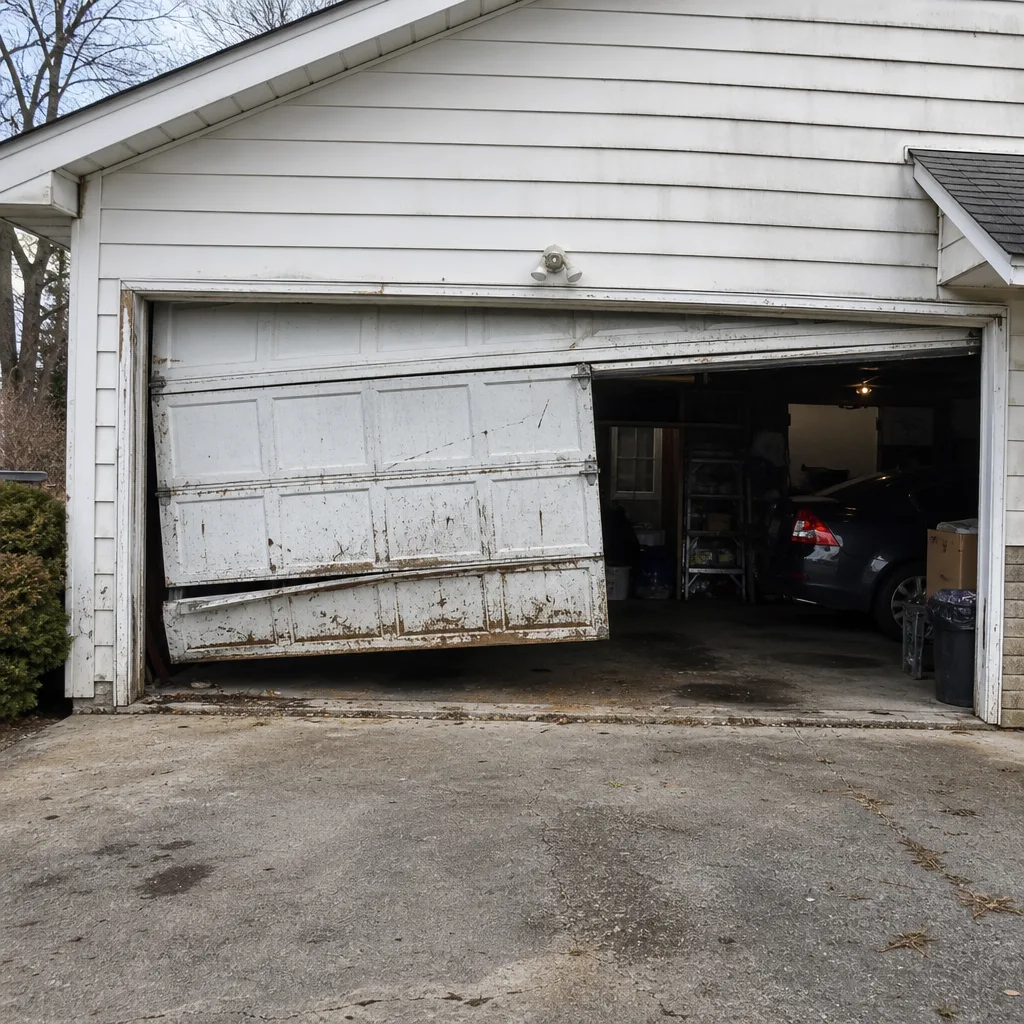 Before
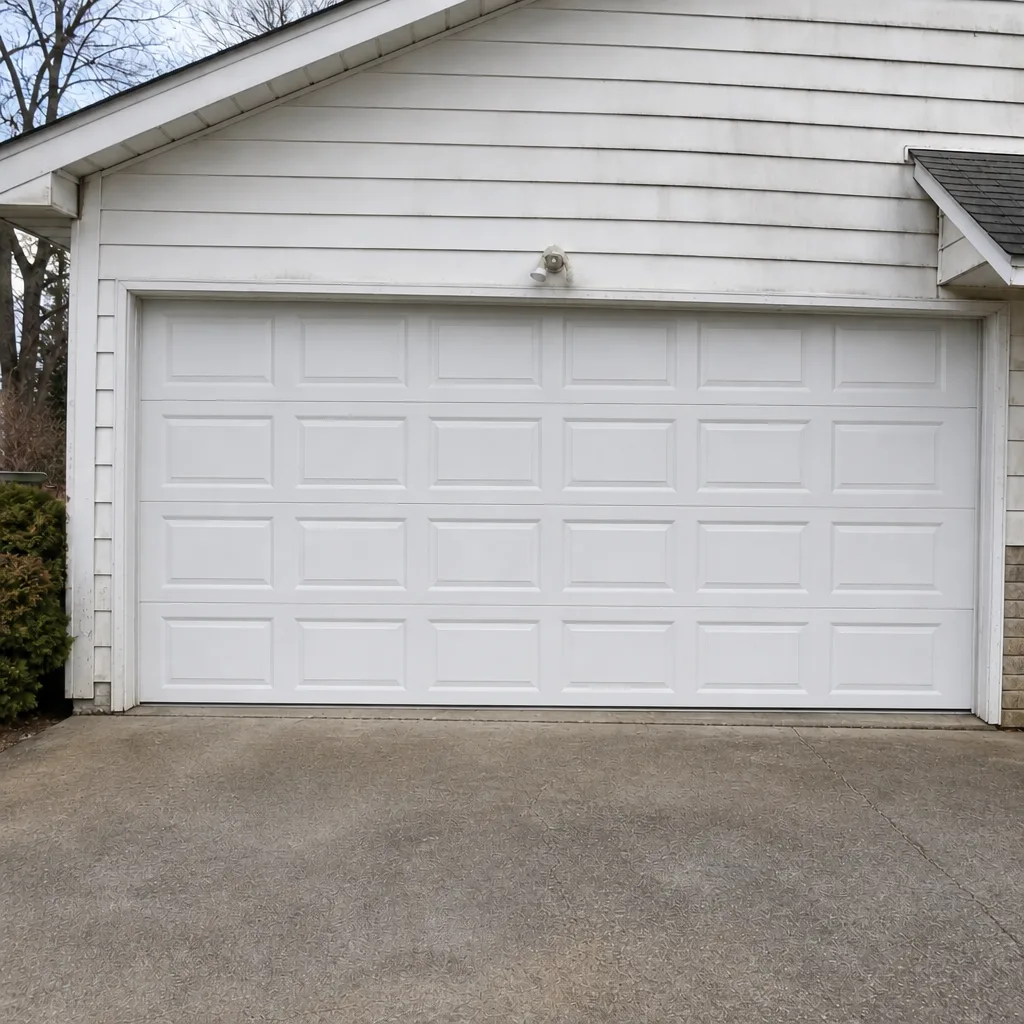 After
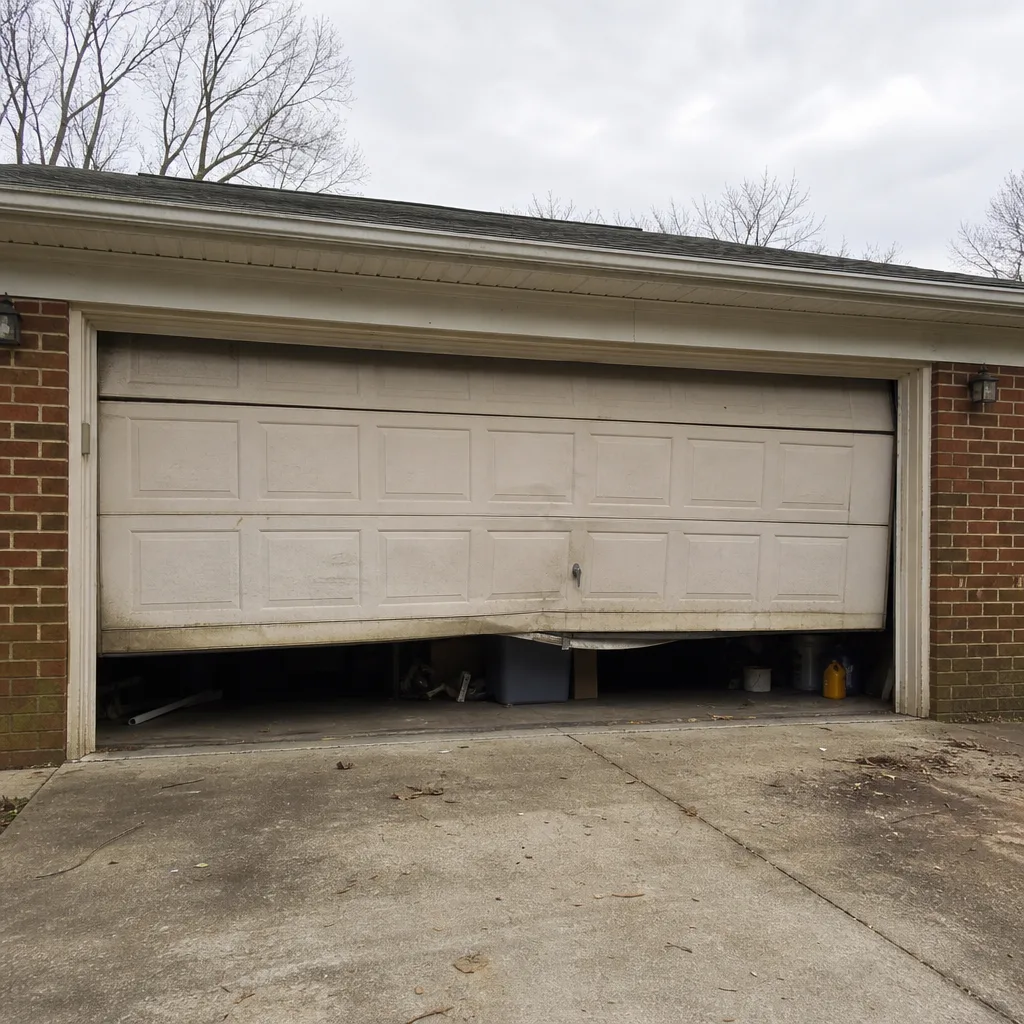 Before
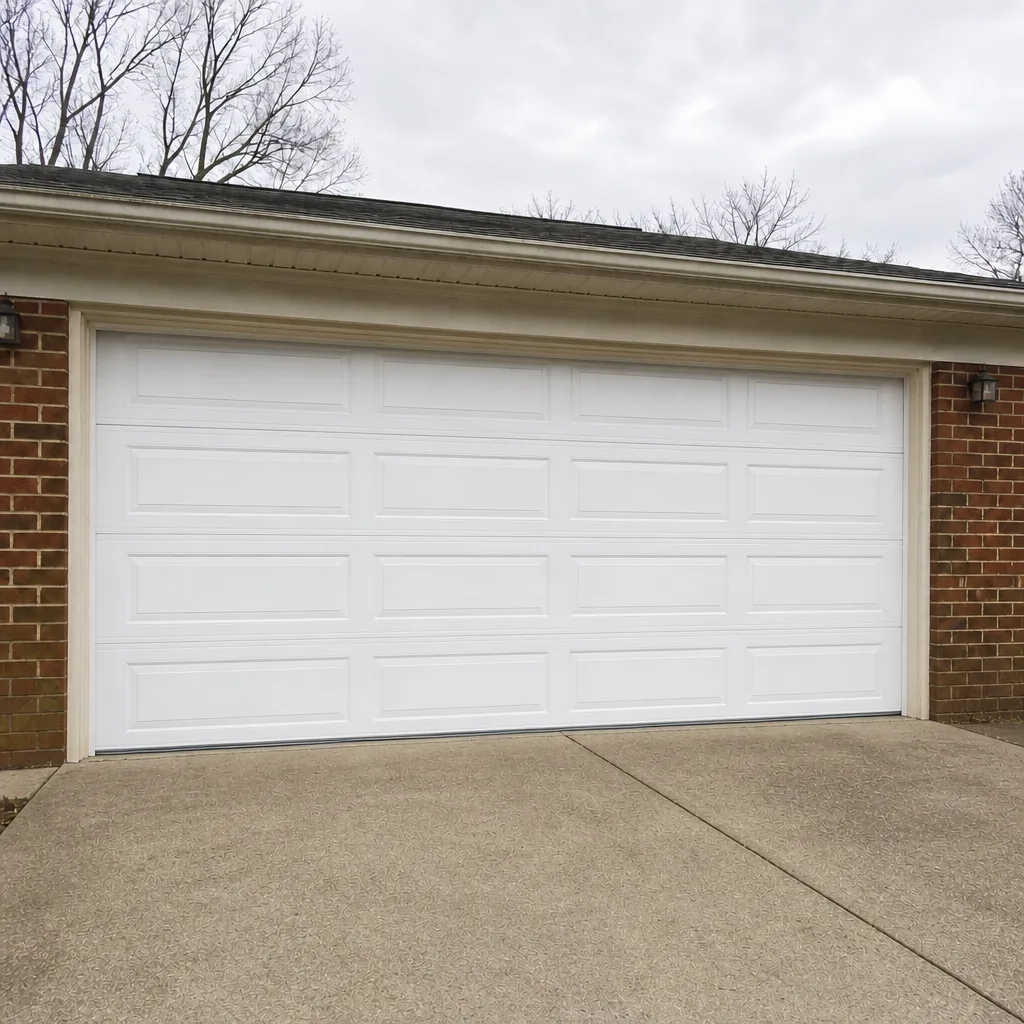 After
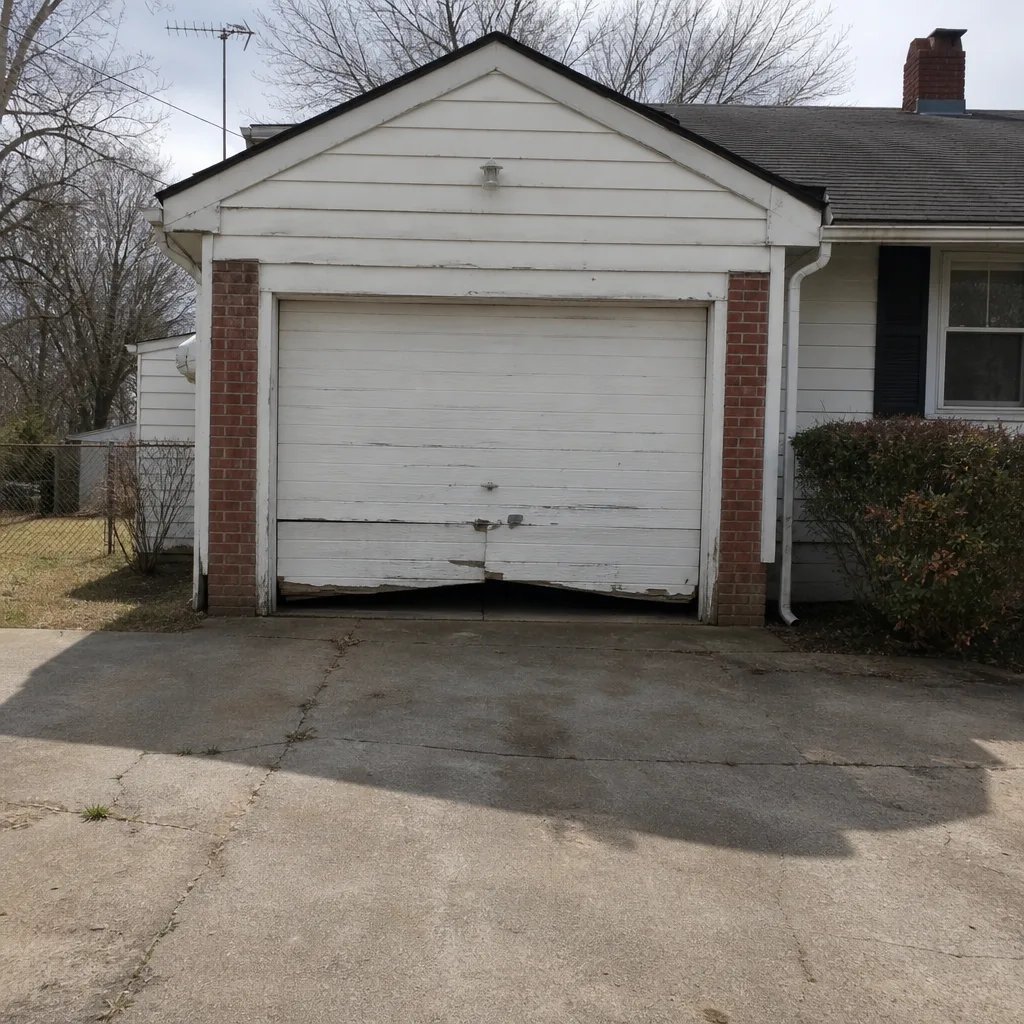 Before
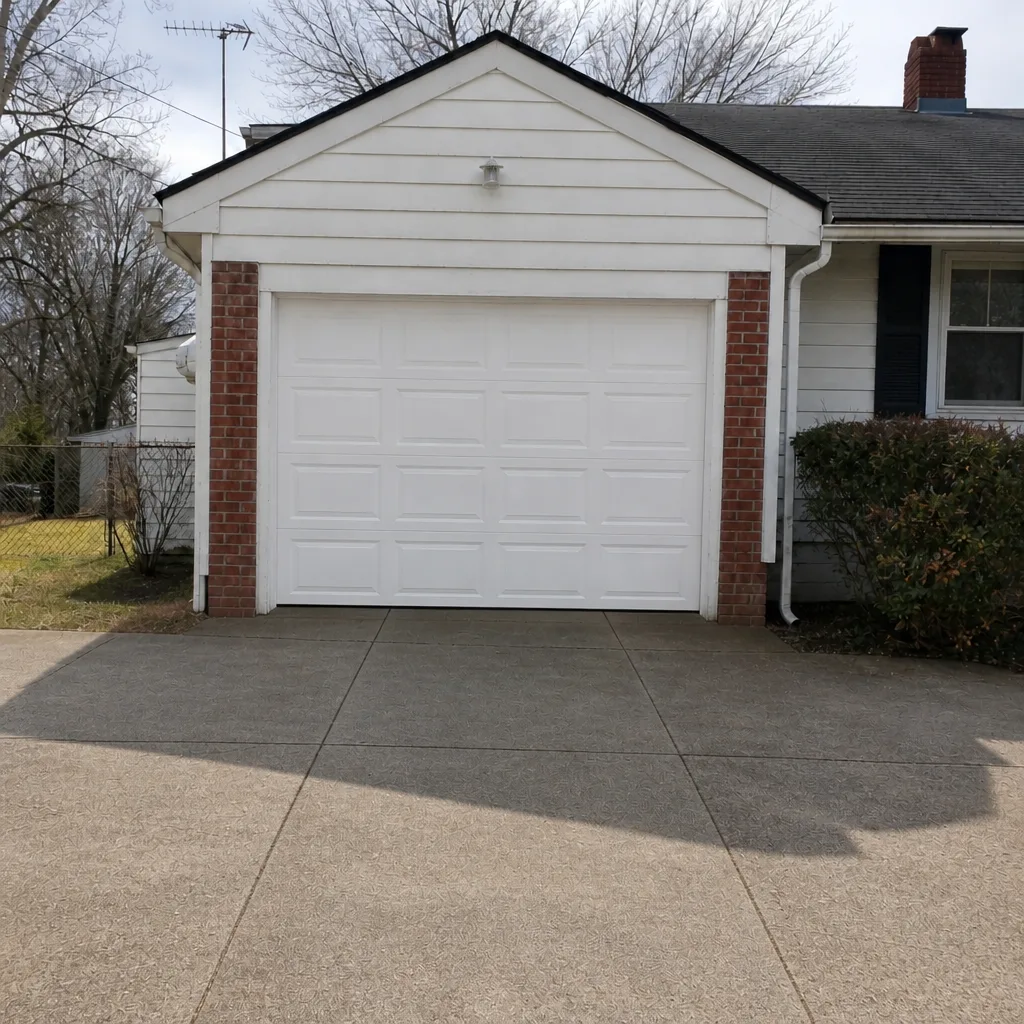 After
When to Call a Professional
Call for a professional inspection when you spot a frayed cable, a door that fails the balance test, a door that opens unevenly, a spring that pops, a door that jumps the track, or an opener that reverses on its own. Any of these is a safety issue, not a maintenance item. Also call if you’re not sure what you’re looking at – a hands-on inspection is the most cost-effective answer for a homeowner who can feel something wrong but can’t name it.
Our technicians have up to 10 years of experience working on garage doors, and we work on the brand you already have – Amarr, Wayne Dalton, Craftsman, Raynor, and other major brands. Spring repairs done right, done safely. If a repair turns into a replacement, we handle full installation too, so you don’t need a second company.
Clinton Garage Door Repair Pros offers free estimates in Clinton. Call (866) 937-9005. We answer 24/7. Fast dispatch from 7am to 7pm, Sunday through Friday, for doors that can’t wait. The price is quoted and agreed before any work starts, and the written estimate sets the final price.
Frequently Asked Questions
The earliest signs are frayed cable strands at the drum, flat-spotted or chipped rollers, hinges that no longer hold their panels tight, a door that opens unevenly, and an opener that lags or reverses in stutter steps. A door that bangs, grinds, or pops is telling you which component is failing. Catching these signals early usually means a focused adjustment or a single part.
Typical garage door repairs in the Clinton market run from modest adjustments for a sticky roller or a hinge that needs tightening, up to more involved repairs when a cable or spring has to be replaced. Spring repair is priced per spring – a matched pair costs about twice a single spring. The final price is quoted and agreed before any work starts, and the written estimate sets the final price. Call (866) 937-9005 for an exact quote – estimates are free.
Yes. A stuck or tilted door is a same-day service call for us. We answer 24/7, and fast dispatch runs from 7am to 7pm, Sunday through Friday. If you call outside dispatch hours, we book you into the next opening. Call (866) 937-9005 to get on the schedule.
The local professionals we connect you with are licensed and insured as their state requires. Our technicians have up to 10 years of experience, and we work across the major garage door and opener brands, including Amarr, Wayne Dalton, Craftsman, and Raynor.
No. The price we quote is the price you pay. Our technicians arrive, inspect the door, quote the repair in writing, and get your agreement before any work starts. If we find something the estimate didn’t cover, we’ll show you and re-quote before proceeding. Call (866) 937-9005 for a free estimate.
The manual balance test is the simplest check: disconnect the opener, lift the door to waist height by hand, and let go. A balanced door stays put; a failing door drops or creeps on its own. A door that opens unevenly, or produces a single loud pop, is also a spring signal. Springs are under high tension, so leave the repair to a trained technician. Call (866) 937-9005 for a spring inspection – estimates are free.
The Bottom Line
The garage doors that fail without warning give plenty of warning. The trick is knowing what to look for: frayed strands at the drum, worn rollers and stressed hinges, a door that fails or borderline-passes the balance test, uneven travel, and an opener with lag or stutter. Each signal is specific, and each has a focused fix if it’s caught early. In Clinton, the season swings put real stress on the moving parts, so the inspection rhythm matters more than any single component. If any signal here is on your list, call Clinton Garage Door Repair Pros at (866) 937-9005. We answer 24/7, dispatch from 7am to 7pm Sunday through Friday, and quotes are agreed before any work begins. And if you’re still deciding, our team at Clinton Garage Door Repair Pros is glad to walk you through what we’d check on your door.
Written by the team at Clinton Garage Door Repair Pros.