
Last updated November 23, 2026
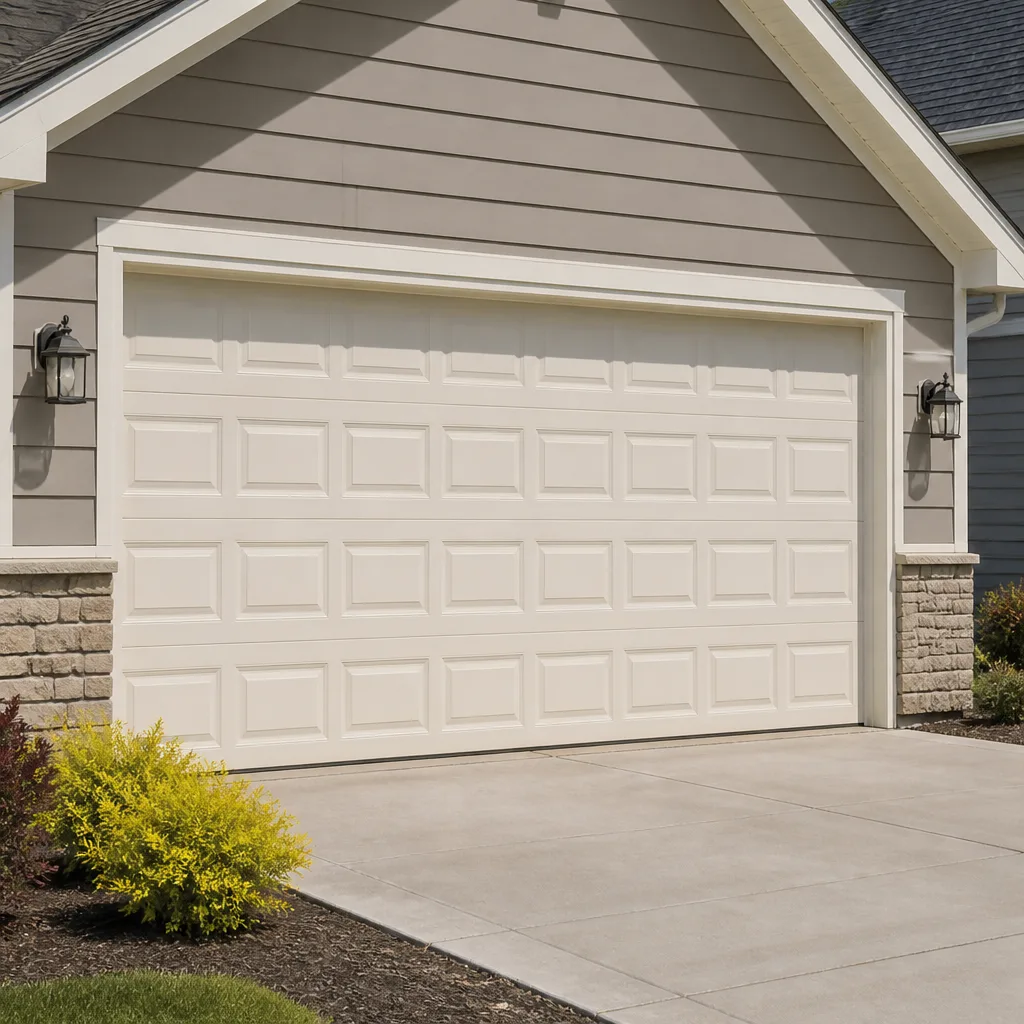 Raised-panel steel
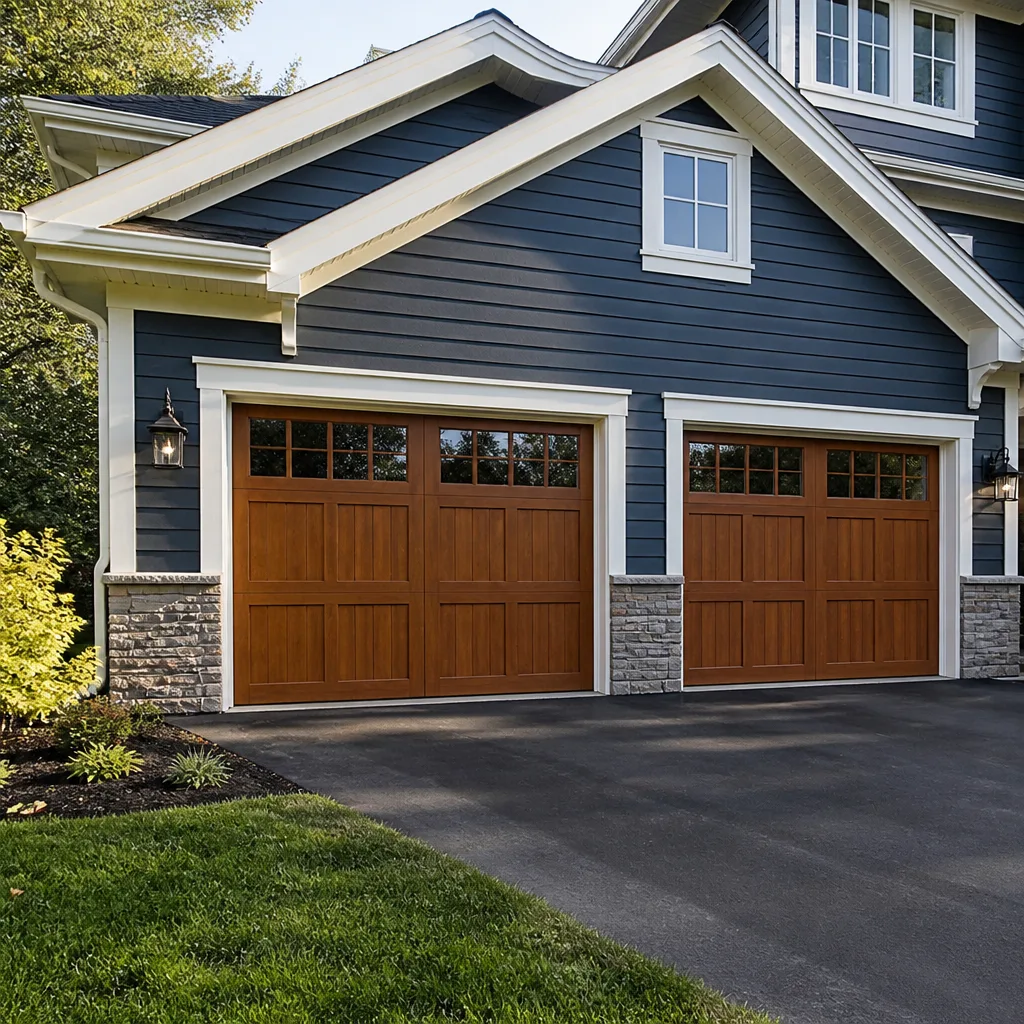
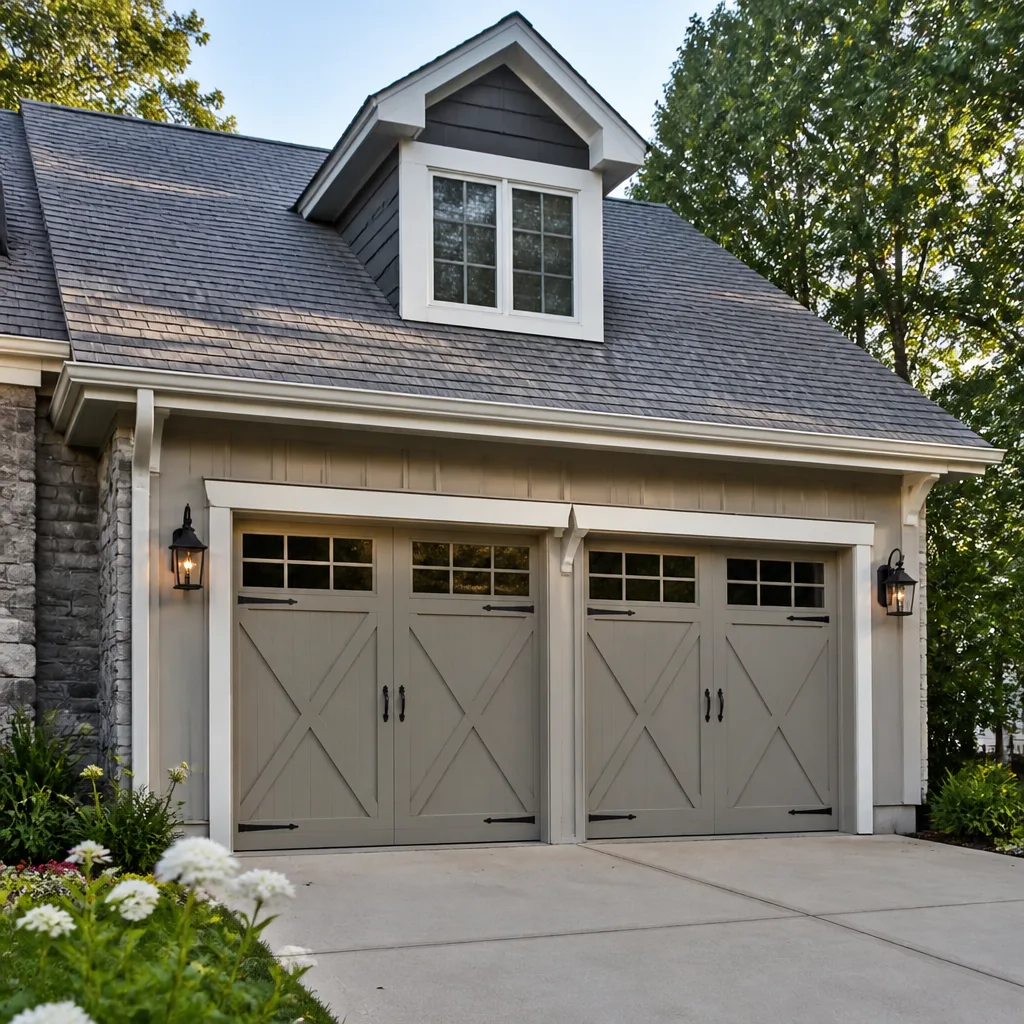 Carriage house
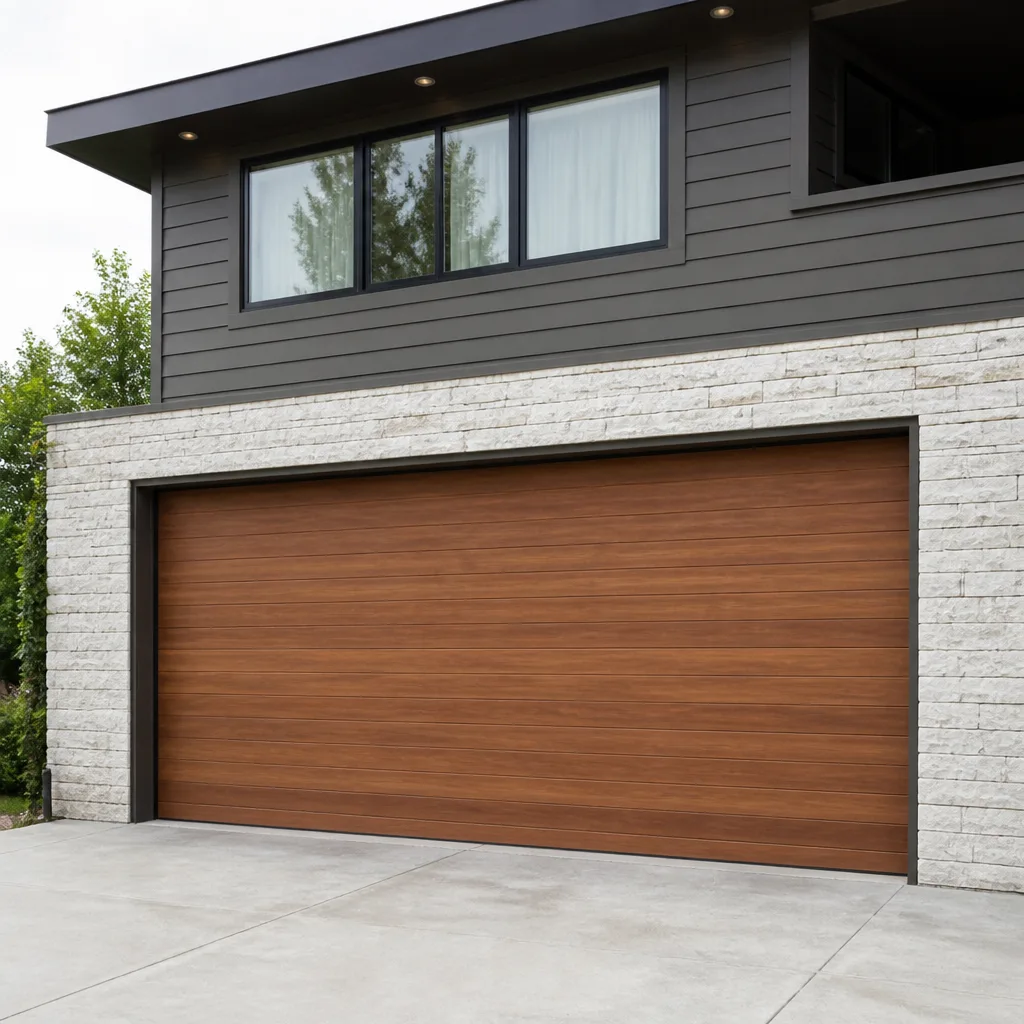 Modern flush
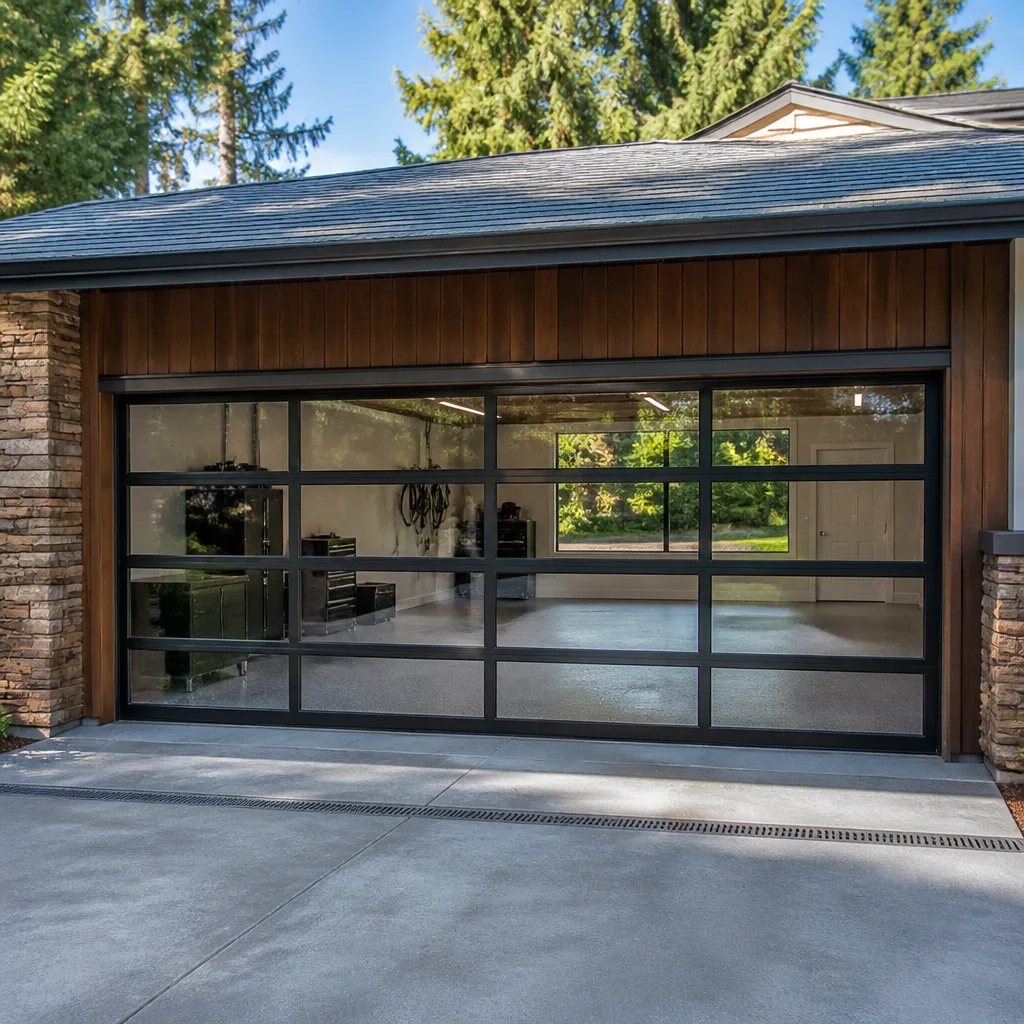 Full-view glass
 LiftMaster openers
 Chamberlain openers
Full 25-point door and opener safety check with every visit - springs, cables, rollers, tracks, and your LiftMaster or Chamberlain opener included
You get a price before we start. It does not change when the pro arrives.
Get your free estimateThe Complete Guide to Garage Doors in Clinton
Most “complete guides” to garage doors are written for a theoretical homeowner in a theoretical house. Clinton has a real housing profile, and the door problems here follow predictable patterns based on when and how this area was built. The brick colonials, split-levels, and attached two-car garages that went up between the 1970s and the 2000s each carry their own set of failure points, opener generations, and spring systems. This guide maps what’s actually in Clinton’s driveways and what tends to break first. You’ll learn how to identify your own door’s setup, benchmark how long its parts should last, and decide when a repair makes sense versus a full replacement.
Quick Answer
Garage door problems in Clinton usually trace back to three things: the age of the door system installed during the area’s 1970s-2000s residential build-out, the Mid-Atlantic climate’s effect on seals and weatherstripping, and whether the door uses a torsion or extension spring system. Knowing your door’s type and spring configuration tells you most of what you need to plan repairs, understand lifespan, and decide when replacement beats another fix.
Styles & brands we work with
- Raised-panel steel
- Carriage house
- Modern flush
- Full-view glass
- LiftMaster openers
- Chamberlain openers
Table of Contents
- What Door Types Are Most Common in Clinton Homes?
- Which Opener Generations Are in Clinton Garages?
- Why Do Seals and Weatherstripping Fail in Clinton’s Climate?
- Torsion vs. Extension Springs: How Do You Tell Which You Have?
- What Are the Service Lifespan Benchmarks for Clinton Door Components?
- When Is a Repair a Band-Aid and When Is Replacement Smarter?
- What Should You Check Between Service Calls?
- What Makes a Garage Door a Safety System?
What Door Types Are Most Common in Clinton Homes?
Most garage doors in Clinton fall into three categories that track closely with when the surrounding neighborhoods were built. Sectional steel doors dominate the 1970s and 1980s homes, raised-panel steel and steel-backed doors are common in the 1990s construction, and you’ll find more insulated steel and carriage-style doors in the 2000s build-out. The panel style and insulation level matter because they determine how the door handles the Mid-Atlantic’s humidity swings and how much noise it makes going up and down.
Here’s how the door types break down in practical terms:
- Single-layer steel sectional doors: The most common in older Clinton homes. Light, affordable, and prone to dents. No insulation, so they’re loud and they sweat in humid weather.
- Steel-backed insulated doors: Standard in 1990s-2000s builds. Quieter, sturdier, and less prone to condensation. The insulation layer can degrade over time if moisture gets behind the panels.
- Carriage-style and raised-panel doors: More decorative, often found on newer or renovated homes. Hardware and hinges carry more load than flat-panel designs, so they wear faster at the joints.
If your Clinton home was built in the 1970s or 1980s, there’s a good chance you’re still working with the original door or a replacement installed a decade or two ago. That matters because the door’s structural condition sets the ceiling on what a repair can realistically fix. When we assess a door in Clinton, we look first at the panels, the hinges, and the bottom section, because those tell us whether the door has years left or is nearing the end of its service life.
Brand matters too. Doors from Clopay and Amarr are common across Clinton’s housing stock, and each has its own panel construction and hardware quirks. Knowing the brand before we arrive means we’re not guessing at hinge sizes or panel profiles when we open the door. If you’re not sure what you have, a quick look at the label inside the door or on the end stile usually tells you, and that’s the first thing worth photographing before you call for garage door repair.
Which Opener Generations Are in Clinton Garages?
Clinton’s opener population maps to three rough generations, and each one fails differently. The chain-drive openers from the 1970s and 1980s are still running in some garages, often original to the house. The belt and screw-drive units from the 1990s and 2000s are the most common overall. And the smart, Wi-Fi-enabled openers from the last decade are increasingly common as homeowners upgrade. Knowing which generation you have tells you what’s likely to fail next and whether parts are still available.
Here’s the practical breakdown:
- Legacy chain-drive openers (1970s-1980s): Loud, mechanically simple, and often repairable. The weak points are the drive gear, the travel limits, and the safety sensors. Parts are getting scarce but many are still serviceable.
- Belt and screw-drive openers (1990s-2000s): Quieter and smoother. Failure points are the belt itself, the logic board, and the capacitor. These are the most common openers in Clinton garages.
- Smart and Wi-Fi openers (2010s onward): LiftMaster and Chamberlain units with app control are the most common upgrades we see. The mechanical parts hold up well; the connectivity and logic boards are where problems show up.
Opener brands matter because each one has its own failure signature. LiftMaster and Chamberlain share a lot of internal architecture, so a symptom on one often points to the same fix on the other. Genie units have their own logic board and sensor behavior. When you call for garage door opener repair, telling us the brand and roughly how old the unit is shortens the diagnostic step and gets you a straighter answer about whether it’s worth fixing or replacing. We work on the brand you already have, which is the point of specializing.
Why Do Seals and Weatherstripping Fail in Clinton’s Climate?
Clinton sits in the Mid-Atlantic, which means hot, humid summers and cold winters with real freeze-thaw cycles. That swing is hard on the rubber and vinyl seals around a garage door. The bottom seal, the perimeter weatherstripping, and the threshold all expand and contract through the year, and after a few seasons they crack, flatten, or pull away from the frame. A failed bottom seal lets in water, pests, and cold air, and it also changes how the door sits when it closes.
The failure pattern is predictable enough that we can usually tell what’s wrong before we arrive. Here’s what to look for:
- Bottom seal: Flattened, cracked, or torn rubber along the bottom edge. Water staining on the garage floor just inside the door is the tell.
- Perimeter weatherstripping: Gaps between the door and the frame, especially at the top corners where heat and cold hit hardest. Look for daylight or feel for drafts.
- Threshold: Rusted or bent metal at the floor, which stops the seal from making contact and lets water pool under the door.
Replacing seals is one of the cheaper fixes in garage door service, and it’s one homeowners put off because the door still opens and closes. But a failed seal accelerates wear on everything above it: the bottom panel rusts, the hinges corrode, and the opener has to work harder when the door binds. In Clinton’s climate, bottom seals typically need attention well before the door itself does. If you’ve noticed drafts or water intrusion, it’s worth having the seals inspected at the same time as any other service call so you’re not paying for two visits.
Torsion vs. Extension Springs: How Do You Tell Which You Have?
Before anything else breaks, you should know which spring system your door uses, because the two are completely different in how they work and how they fail. Torsion springs mount on a horizontal shaft above the door and twist to counterbalance it. Extension springs run along the horizontal tracks on each side and stretch. Torsion systems are more common on heavier doors and newer installations; extension springs show up more often on older, lighter doors. Knowing your system tells you what to expect and how urgently to treat a problem.
Here’s how to identify which one you have:
- Look above the door. If you see a horizontal metal shaft with coiled springs mounted on it, you have a torsion system.
- Look along the tracks. If you see springs running parallel to the horizontal tracks on either side, stretching when the door closes, you have extension springs. They often have a safety cable running through them.
- Check the door’s weight and age. Heavier doors and newer installations lean torsion; older, lighter doors lean extension. This isn’t a rule, but it’s a useful clue.
We bring this up early because spring failures are the most dangerous thing that happens to a garage door. A torsion spring under tension can release with enough force to cause serious injury, and an extension spring that breaks without a safety cable can fly across the garage. This is not a repair to attempt yourself. If you hear a loud bang from the garage, see a gap in the spring coil, or find the door suddenly too heavy to lift, stop using the door and call for garage door spring repair. Our technicians have up to 10 years of experience with both systems, and they’ll tell you honestly whether a spring replacement is straightforward or whether the surrounding hardware needs attention too.
What Are the Service Lifespan Benchmarks for Clinton Door Components?
National lifespan averages are a starting point, but they don’t account for Clinton’s housing stock or climate. The benchmarks below reflect what we actually see in homes around here, where 1970s-2000s construction and Mid-Atlantic weather shape how long parts last. Use these as a planning guide, not a countdown clock. A part can fail early or last well past its benchmark depending on use, maintenance, and how well the door was installed.
- Torsion springs: Typically 7 to 10 years in Clinton’s climate, often shorter on doors that get heavy daily use. Humidity and temperature swings accelerate fatigue.
- Extension springs: Typically 5 to 8 years, shorter if they lack safety cables or the door is out of balance.
- Openers: 10 to 15 years for belt and chain-drive units. Smart openers often last longer mechanically but their logic boards can fail earlier.
- Bottom seals and weatherstripping: 3 to 5 years before they need replacing, given the local humidity and freeze-thaw cycles.
- Rollers and hinges: 5 to 10 years depending on lubrication and how well the door is balanced.
- The door itself: 15 to 25 years for steel sectional doors, less if the panels have rusted or the door has taken impacts.
The useful thing about benchmarks is that they let you plan. If your Clinton home was built in the 1990s and the opener is original, you’re in the window where a replacement is worth pricing before it fails. If the springs are past their expected lifespan, it’s worth having them inspected even if they’re still working, because a spring that’s about to break can damage the door when it does. When we look at a door, we check each component against these ranges so you get a clear picture of what’s due and what can wait. That’s the difference between a repair that fixes the current problem and one that just postpones the next one.
When Is a Repair a Band-Aid and When Is Replacement Smarter?
The honest answer is that it depends on the door’s structural condition, not just the broken part. A single failed spring on an otherwise solid door is a clear repair. A door with rusted panels, bent tracks, and a failing opener is throwing good money after bad if you keep patching it. The line between the two is usually visible in the door’s panels, its balance, and how many components are near the end of their lifespan at once.
Here’s how we think about the decision:
- Count the failing components. One problem is a repair. Three or more related failures on the same door usually points to replacement.
- Check the panels. Rust, dents, or delamination that affect the door’s structure can’t be repaired economically.
- Check the balance. If the door won’t stay in place when lifted halfway, the springs, cables, or hinges are worn, and the whole system may need replacing.
- Check the tracks. Bent or rusted tracks can sometimes be replaced, but if they’re integral to the frame, replacement of the full door is often the better call.
- Factor in the opener. If the door needs replacement and the opener is also near or past its lifespan, replacing both together saves you a second service visit.
In Clinton’s older homes, we see a lot of doors that have been patched repeatedly and are now at the point where the panels, springs, and opener are all due at once. That’s when replacement becomes the smarter financial move, and it’s also when the full range matters: we handle both repair and full new-door installation, so you don’t need a second company when a repair turns into a replacement. If you’re on the fence, the useful thing is an honest estimate that prices both options side by side, then a written quote that sets the final price before any work starts.
What Should You Check Between Service Calls?
A few minutes of inspection a couple of times a year goes a long way toward catching problems early. You’re not trying to fix anything yourself; you’re looking for the signs that mean it’s time to call. The checks below are safe to do from the floor, without tools and without touching the springs, cables, or any part under tension.
Here’s a sensible routine:
- Listen to the door. Grinding, squealing, or popping sounds mean worn rollers, dry hinges, or a spring that’s failing. A door that used to be quiet and isn’t is telling you something.
- Watch the balance. Disconnect the opener and lift the door halfway by hand. It should stay in place. If it drops or rises on its own, the springs need attention.
- Check the seals. Look for cracks in the bottom seal and daylight around the perimeter. Water staining on the floor is a sign the seal isn’t doing its job.
- Test the safety sensors. Wave an object between the sensors while the door is closing. It should reverse. If it doesn’t, stop using the opener and call for service.
- Look at the hardware. Check for loose hinges, worn rollers, and any cables that look frayed. Don’t touch the springs or cables; just note what you see.
What you should not do is lubricate the springs, adjust the cables, or try to rebalance the door yourself. Those are the parts that hurt people. If your routine turns up something that concerns you, that’s the point to call. We’d rather look at a door early than after a spring has failed and taken the opener with it.
What Makes a Garage Door a Safety System?
Your garage door is the largest moving object in your home, and it’s a safety system, not just a convenience. It’s heavy enough to injure someone underneath it, and its springs and cables are under enough tension to cause serious harm if they fail. That’s why the industry built in safety features like photo-eye sensors and auto-reverse, and why those features need to work every time the door closes. A door that opens and closes is not the same as a door that’s safe.
The safety features worth knowing about:
- Photo-eye sensors: Mounted at the bottom of the tracks, they stop and reverse the door if something crosses the beam. They need to be aligned and clean to work.
- Auto-reverse: If the door meets resistance while closing, it should reverse. This is a backup to the sensors, not a replacement for them.
- Spring safety cables: Extension springs should have cables running through them so a broken spring can’t fly across the garage. If yours don’t, that’s worth addressing.
- Manual release: Every opener should have a release cord so you can operate the door by hand in an emergency. Know where it is and how it works before you need it.
If any of these features isn’t working, the door shouldn’t be used until it’s fixed. That’s the kind of problem that justifies an emergency call, because a door that can’t sense an obstruction or won’t reverse is a hazard every time it moves. For a door that’s stuck open at night, or one that’s trapping a vehicle, call us. We answer 24/7, and we dispatch Sunday through Friday from 7am to 7pm. If a call comes in outside those hours, it gets booked into the next opening. The point is that a broken door doesn’t have to wait until it’s convenient.
Common Mistakes to Avoid
- Trying to replace a spring yourself. Torsion and extension springs are under extreme tension and can cause serious injury if they release. This is the one repair that should always go to a trained technician.
- Ignoring a door that’s out of balance. If the door won’t stay halfway up, the springs or cables are worn, and the opener is working harder than it should. Left alone, that imbalance wears out the opener and the door’s hardware faster.
- Patching a door that’s past its service life. In Clinton’s older homes, it’s common to keep replacing parts on a door that’s rusted, bent, and near the end of its lifespan. At some point the repairs cost more than a new door.
- Skipping the seal replacement. A failed bottom seal lets in water and pests and accelerates rust on the bottom panel. In this climate, seals need replacing more often than homeowners expect.
- Assuming any opener problem means a new opener. Many opener issues, especially on LiftMaster and Chamberlain units, are fixable with a sensor alignment, a logic board replacement, or a travel-limit adjustment.
- Choosing a generalist for a specialist job. A garage door is a mechanical system with its own failure patterns and safety requirements. A handyman who “also does garage doors” may not know the difference between a torsion and an extension setup until it matters.
- Not getting the price in writing first. Any repair should come with a quote you agree to before work starts. If a company won’t put the price in writing, that’s a reason to keep looking.
See the difference
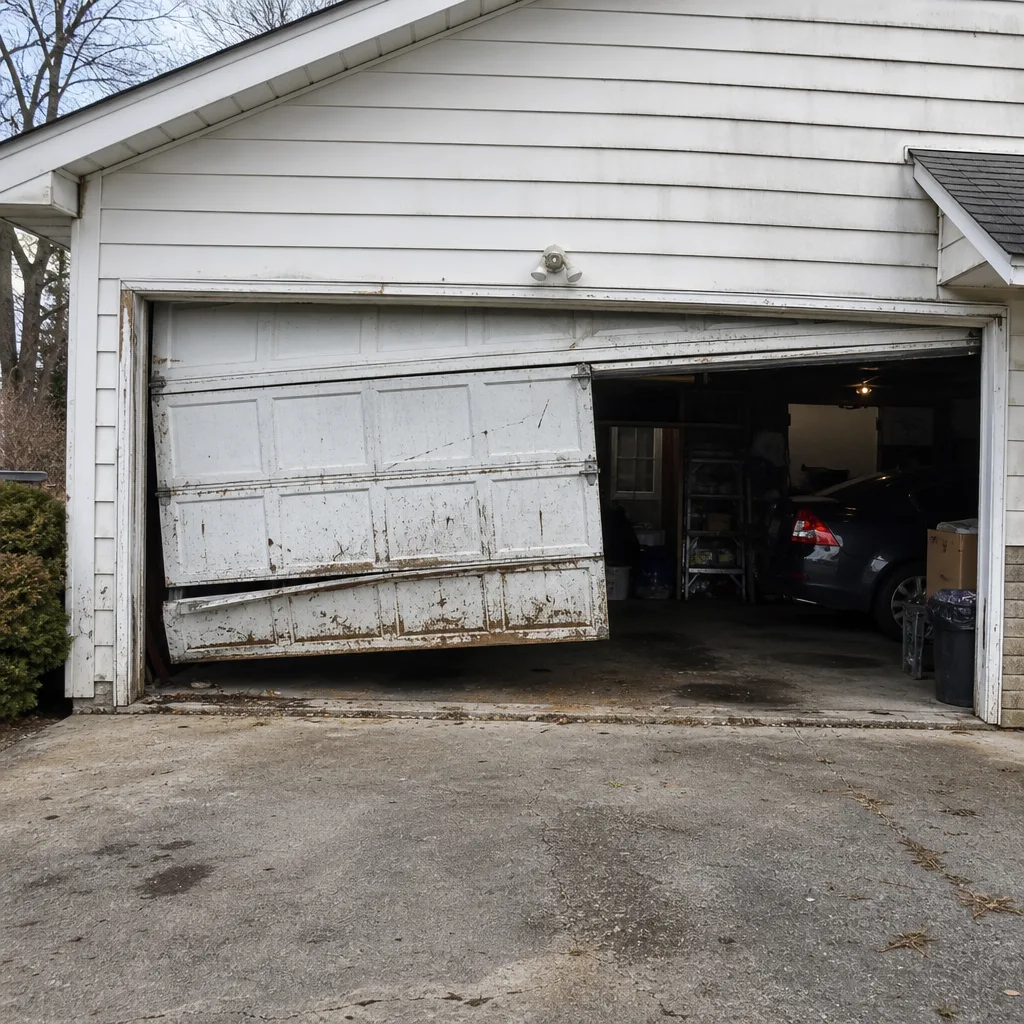 Before
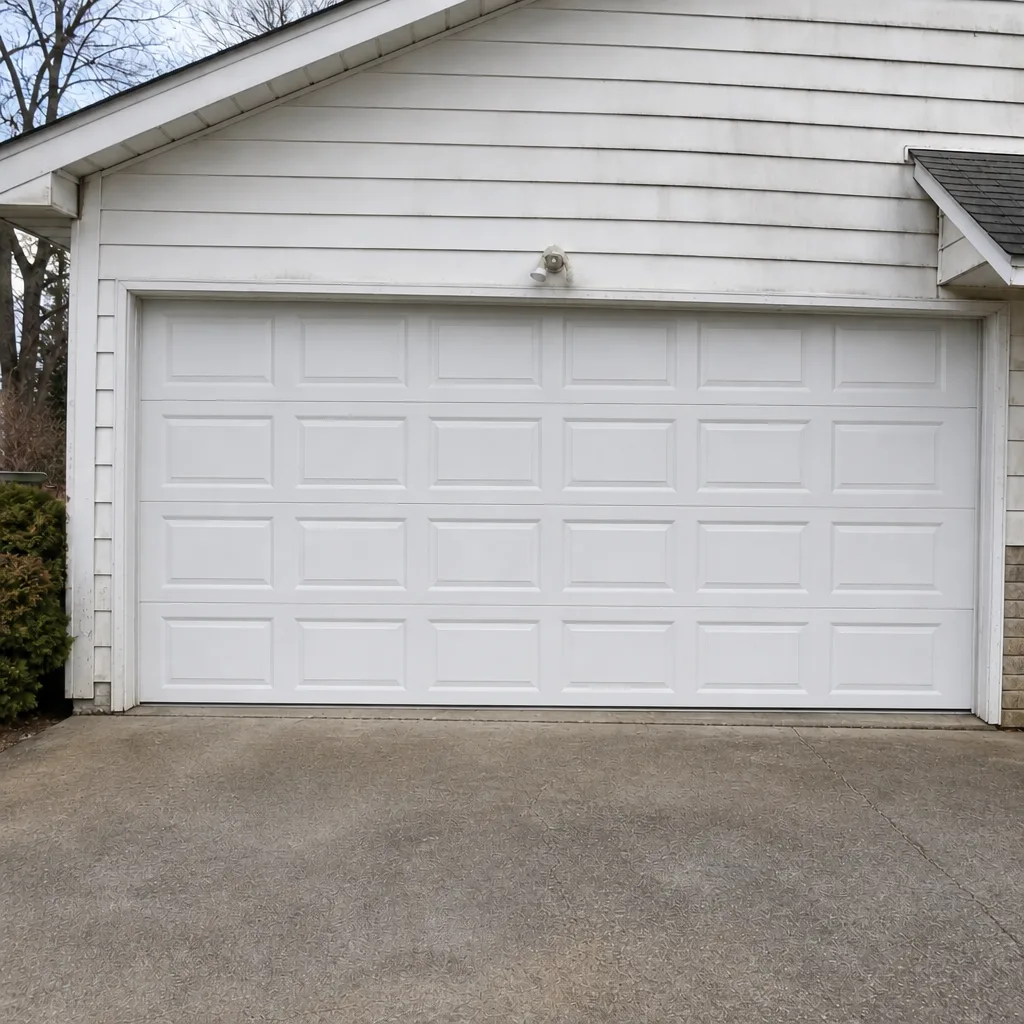 After
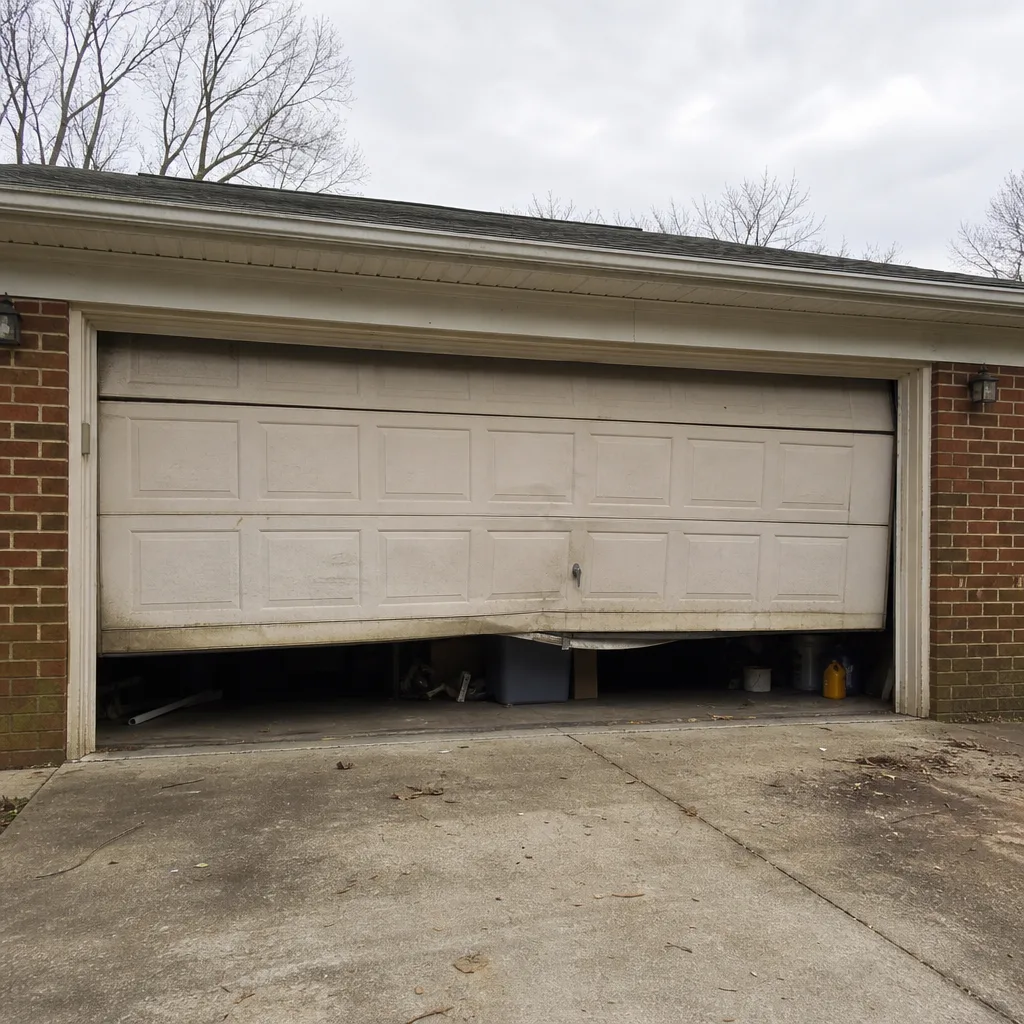 Before
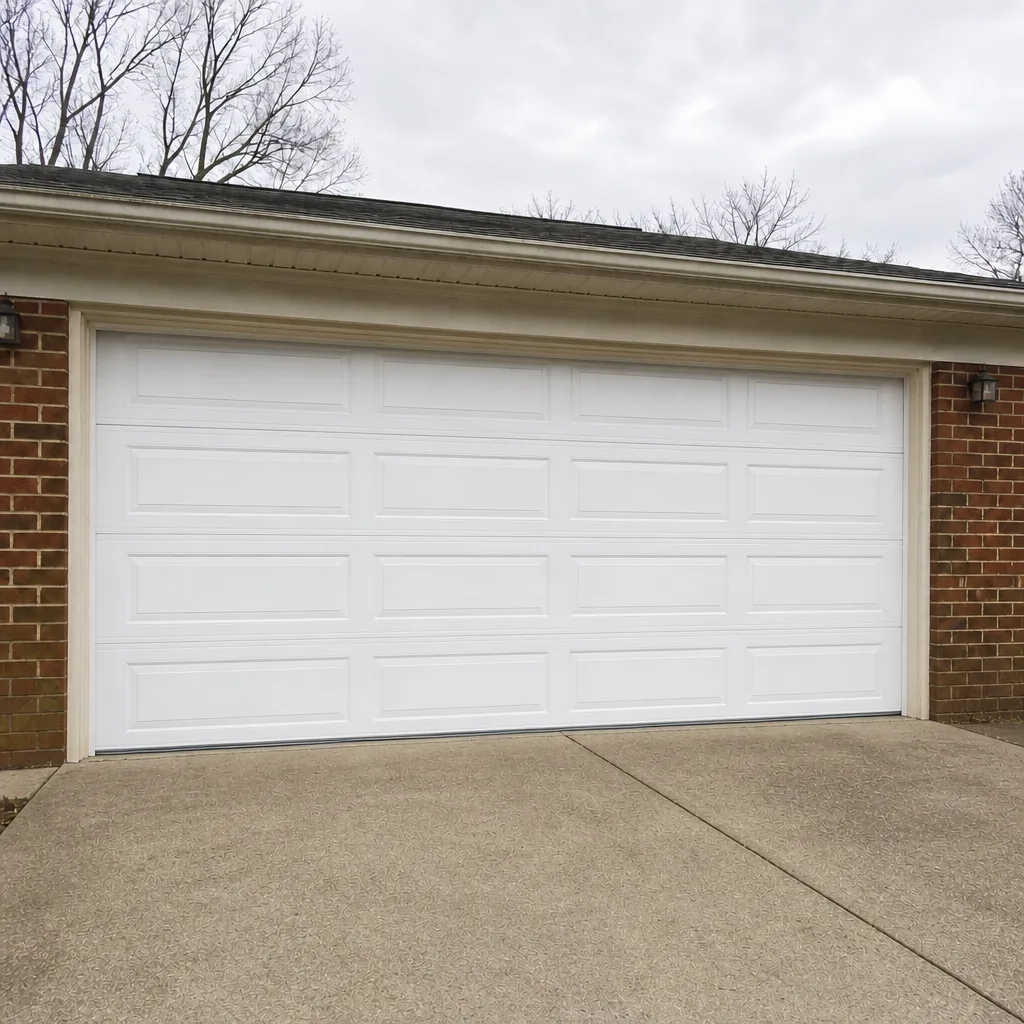 After
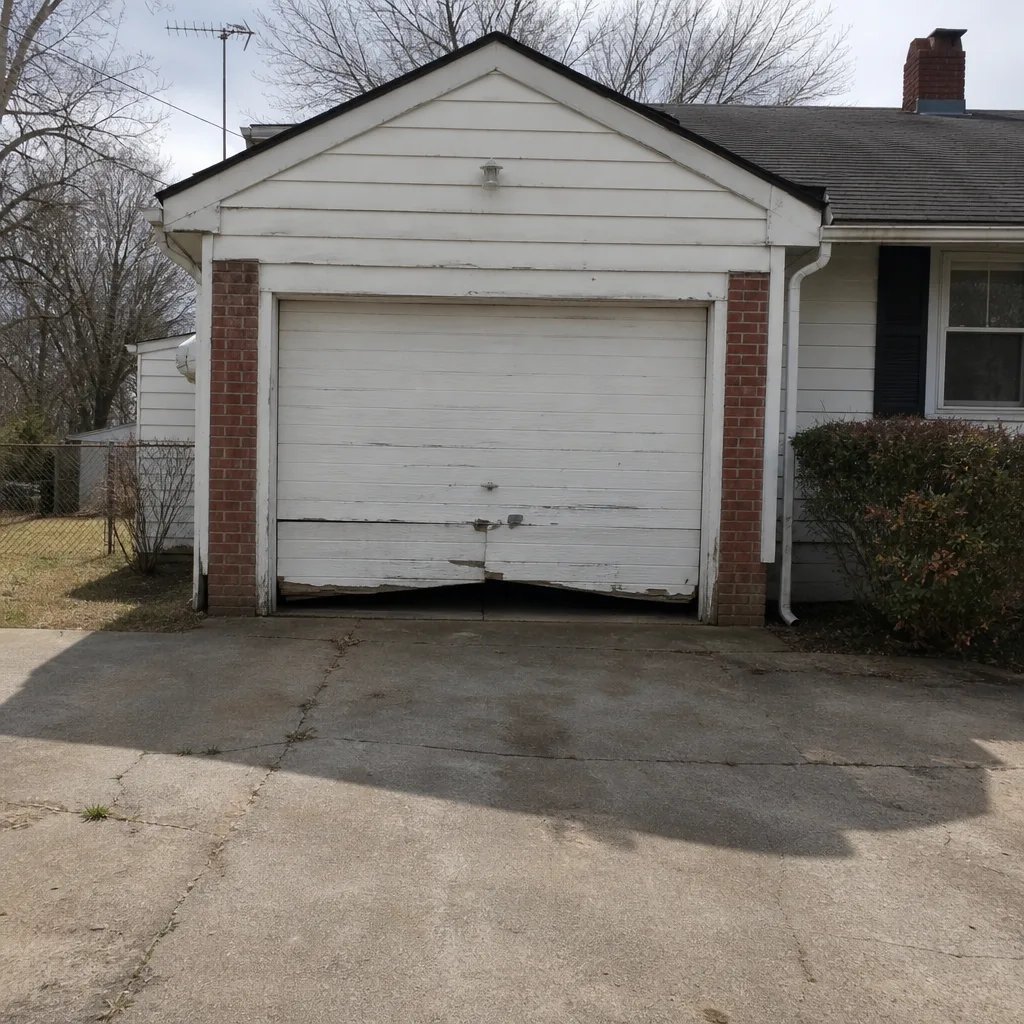 Before
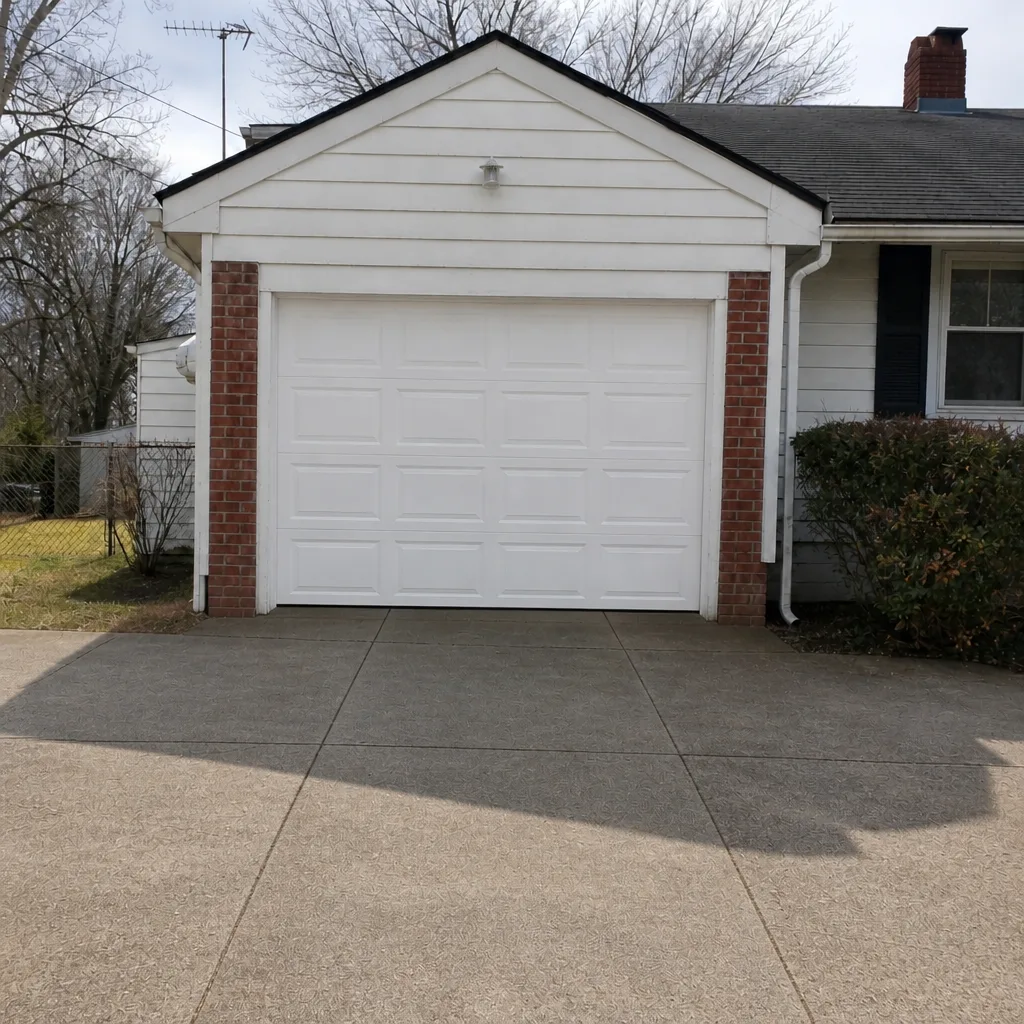 After
When to Call a Professional
Call a professional when the problem involves springs, cables, or anything under tension, when the door is out of balance, when the safety sensors or auto-reverse aren’t working, or when the opener has stopped responding and basic troubleshooting hasn’t fixed it. Call sooner rather than later if the door is stuck open, if it’s trapping a vehicle, or if you’ve heard a loud bang from the garage. Those are the situations where waiting turns a repair into a bigger job. For everything else, a routine service call is enough to get an honest assessment and a written estimate before any work begins.
At Clinton Garage Door Repair Pros, estimates are free, and we work on the brand you already have. Call (866) 937-9005. We answer 24/7, with fast dispatch from 7am to 7pm, Sunday through Friday.
Frequently Asked Questions
Most garage door repairs in Clinton fall in the range of a few hundred dollars, depending on the part and the door type, with spring replacement and opener repair being the most common jobs. The written estimate sets the final price, and it’s quoted and agreed before any work starts. Call (866) 937-9005 for an exact quote. Estimates are free.
Same-day service is often possible for repair and emergency calls in Clinton, depending on the schedule and the nature of the problem. We answer the phone 24/7 and dispatch from 7am to 7pm, Sunday through Friday. Call (866) 937-9005 to check availability for today.
No. The written estimate is the price, quoted and agreed before any work starts. If we find something extra once we’re on site, we’ll tell you before doing anything, and you decide whether to proceed. Call (866) 937-9005 to get an estimate.
The local professional we connect you with is licensed and insured as their state requires, and our technicians have up to 10 years of experience with garage door systems. We work on the brand you already have, including LiftMaster, Chamberlain, Genie, Clopay, Amarr, Wayne Dalton, Craftsman, and Raynor. Call (866) 937-9005 for details.
Look above the door for a horizontal shaft with coiled springs on it, which means torsion; look along the horizontal tracks for springs that stretch, which means extension. If you’re not sure, don’t touch anything under tension. Call (866) 937-9005 and we’ll help you identify it.
Repair when one or two components have failed on an otherwise solid door; replace when three or more related failures show up at once, or when the panels are rusted or the door is out of balance. In Clinton’s older homes, we often see doors that have been patched repeatedly and are past their service life. Call (866) 937-9005 for an honest estimate that prices both options.
The Bottom Line
Clinton’s garage doors follow patterns set by the area’s 1970s-2000s construction and the Mid-Atlantic climate. Knowing your door type, your opener generation, and whether you have torsion or extension springs tells you most of what you need to plan repairs and understand lifespan. Seals fail faster here than national averages suggest, springs are the one repair to leave to a professional, and the repair-versus-replace decision comes down to how many components are failing at once. When in doubt, get a written estimate that prices both options. Call (866) 937-9005 for a free estimate. We answer 24/7, with fast dispatch from 7am to 7pm, Sunday through Friday.
Written by the team at Clinton Garage Door Repair Pros.