
Last updated November 23, 2026
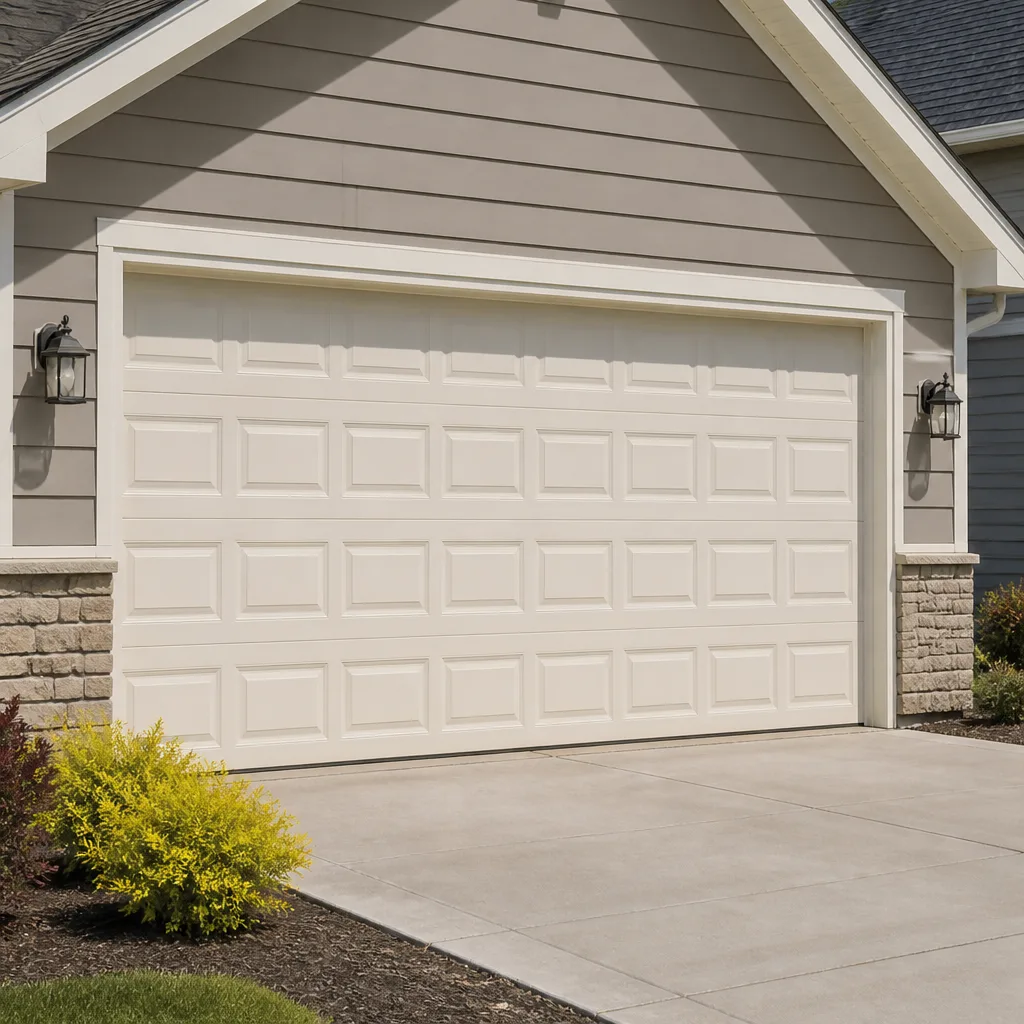 Raised-panel steel
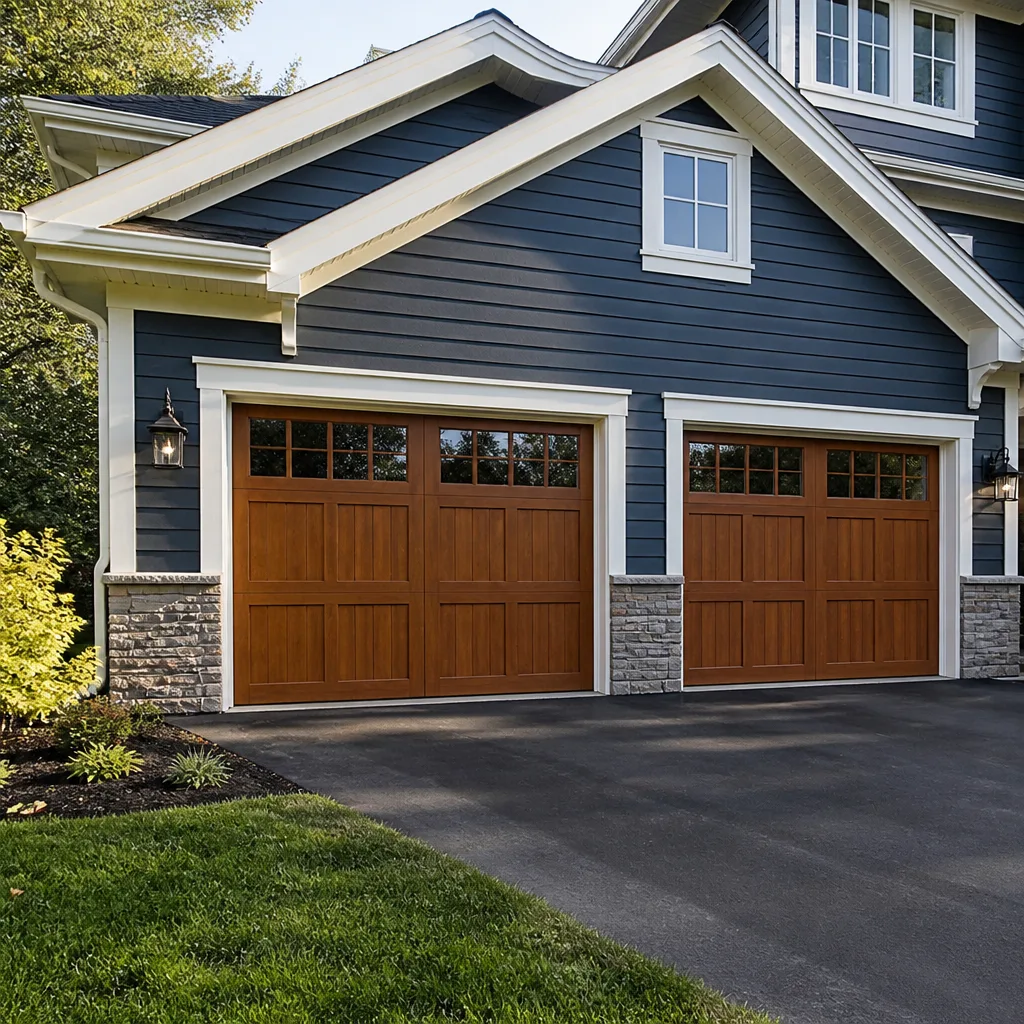
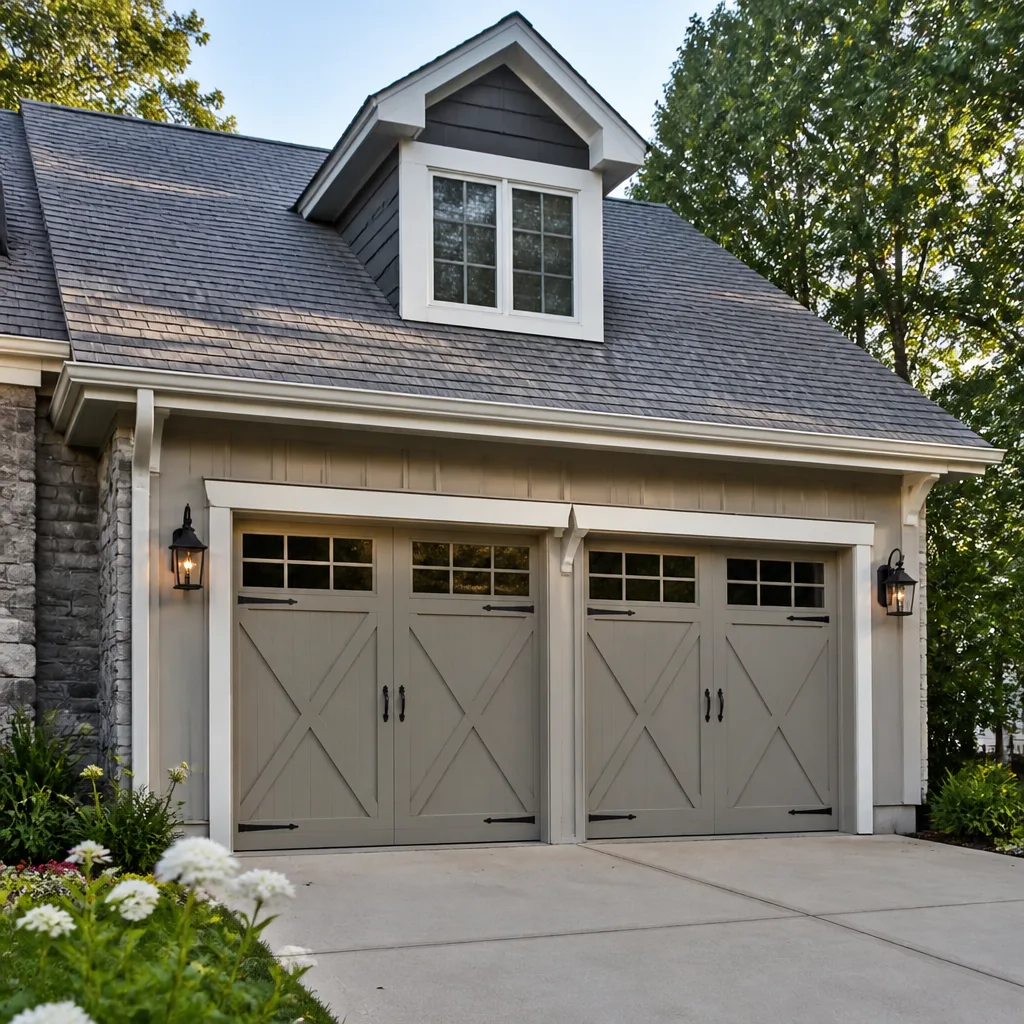 Carriage house
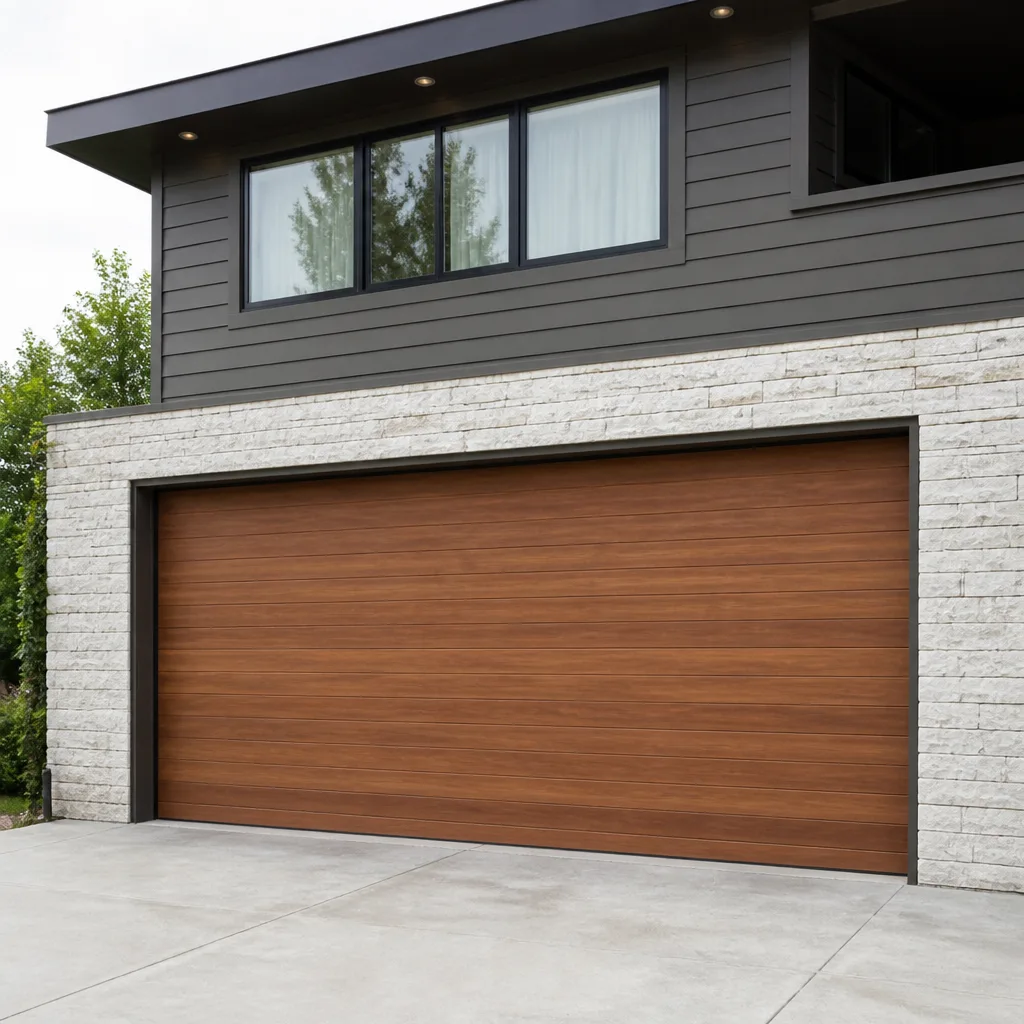 Modern flush
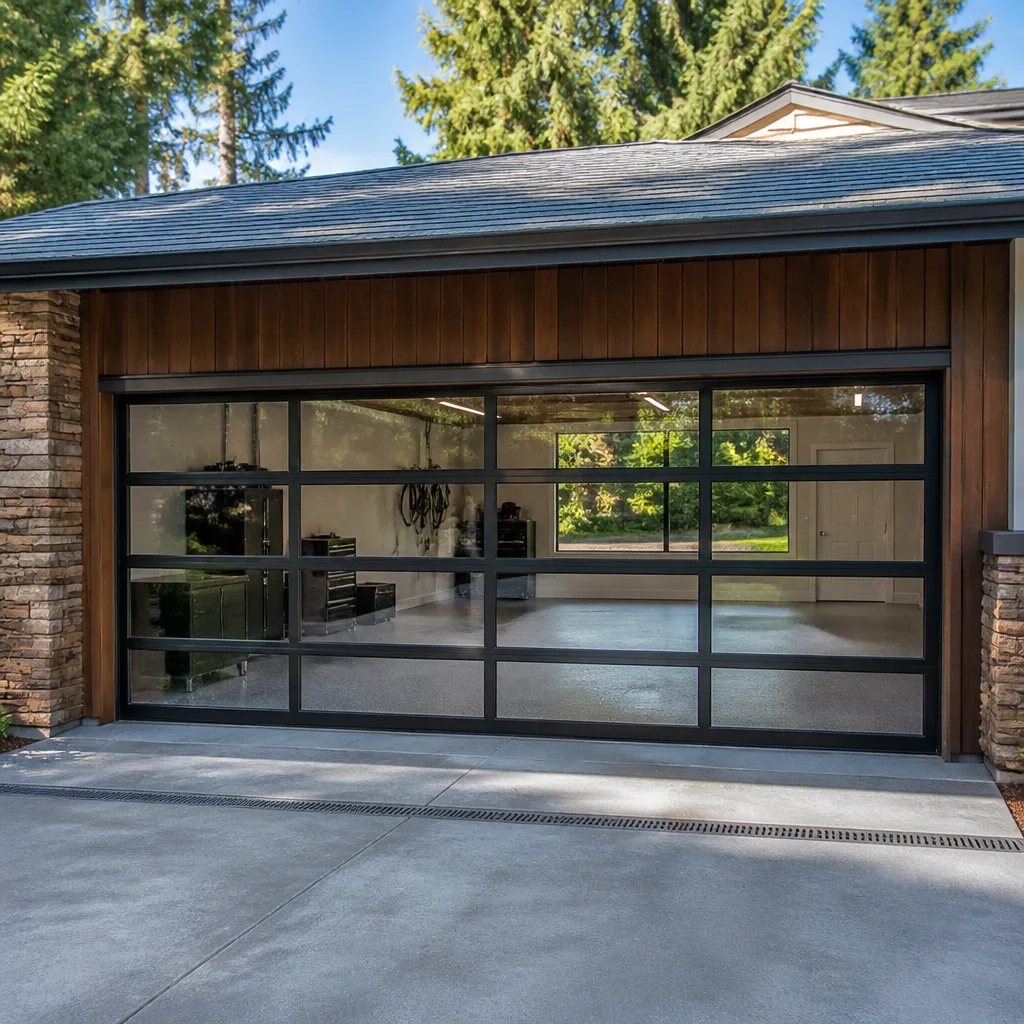 Full-view glass
 LiftMaster openers
 Chamberlain openers
Full 25-point door and opener safety check with every visit - springs, cables, rollers, tracks, and your LiftMaster or Chamberlain opener included
You get a price before we start. It does not change when the pro arrives.
Get your free estimateDIY vs Professional Garage Door: The Clinton Homeowner’s Decision Guide
Some garage door jobs are smart weekend projects. Others are genuinely dangerous, and no amount of confidence changes the physics. The homeowner who replaces a worn bottom seal or straightens a dented panel is making a good call. The homeowner who watches a video and decides to adjust a torsion spring is working around hardware that holds the door’s full weight in stored tension, and that tension is designed to be released with a winding bar by a trained technician, not worked around with a screwdriver and a ladder.
That’s the real dividing line, and it isn’t about how handy you are. This guide draws it component by component, so Clinton homeowners can stop overpaying for the jobs that are genuinely safe to do themselves and stop risking injury on the ones that aren’t. You’ll get a task-by-task breakdown, the honest cost of DIY mistakes, and a clear read on when an aging door means it’s time to call instead of patch.
Quick Answer
Some garage door tasks are safe for a careful homeowner and others are not, and the split comes down to stored tension and spring-loaded hardware, not skill level. Weatherstripping, sensor alignment, lubrication and minor panel work are reasonable DIY jobs. Torsion springs, cables, and bottom bracket work should go to a professional every time. Everything in between depends on the door’s age, the specific symptom, and whether one repair is likely to reveal the next. In Clinton, where humid summers and freezing winters work on seals and hardware year-round, that last question comes up more than most homeowners expect.
Styles & brands we work with
- Raised-panel steel
- Carriage house
- Modern flush
- Full-view glass
- LiftMaster openers
- Chamberlain openers
Table of Contents
- Where the DIY Line Actually Falls
- The DIY-Safe List: What You Can Genuinely Do Yourself
- Why Torsion Springs Aren’t a “Be Careful” Job
- Cables and Bottom Brackets: The Second Danger Zone
- Opener Adjustments: What the Manual Lets You Touch
- The Real Cost of DIY Mistakes
- One-Time Fix or a Service Call? Deciding by Door Age
- What Clinton’s Climate Does to Your Door
Where the DIY Line Actually Falls
The garage door DIY question gets answered badly almost everywhere. Most advice ranks jobs by difficulty, as if the only risk is doing it wrong. That misses the point. A garage door is a balanced mechanical system under constant load, and some of its components store enough energy to injure a person badly even when every step is followed correctly. The line isn’t difficulty. It’s stored potential energy and spring-loaded hardware.
Here’s the framework we use. Ask three questions about any job on your door:
- Does the component hold stored tension? Torsion springs, extension springs, and the cables that run through them all do. If releasing or adjusting that tension is part of the job, it belongs to a trained professional.
- Is the part load-bearing or weather-sealing? Seals, weatherstripping, trim, and cosmetic panels carry no structural load. Springs, cables, brackets, and hinges do.
- Can a mistake hurt someone or drop the door? If a failed repair could send a door crashing down or release a cable under tension, that’s a professional’s job no matter how simple the video makes it look.
Run any task through those three and the answer tends to be obvious. Lubricating rollers? No stored tension, no load-bearing concern, low risk. Replacing a torsion spring? Stored tension, load-bearing, high risk on all three. The middle cases are where judgment comes in, and that’s what the rest of this guide works through. For a Clinton homeowner with a specific repair in mind, our garage door repair service is the place to start when a task lands on the wrong side of the line.
The DIY-Safe List: What You Can Genuinely Do Yourself
A handful of garage door tasks are well within reach for a careful homeowner with basic tools, and paying a professional for them is often unnecessary. These are the jobs that touch weather-sealing, appearance, and routine maintenance, none of which involve stored tension or load-bearing hardware.
Weatherstripping and bottom seal replacement. The rubber seal along the bottom of the door and the strips around the frame wear out from sun, rain, and repeated contact. Replacing them is a straightforward remove-and-refit job. It seals out drafts and pests, and it’s one of the most satisfying things a homeowner can do on a Saturday. The only caution is measuring the door’s width correctly before you buy.
Safety sensor alignment and cleaning. If your door reverses or won’t close, the culprit is often a misaligned or dirty photo-eye sensor. Wiping the lenses and nudging the brackets back into line fixes most of these. Both sensors should point at each other and sit at the same height.
Lubrication. A dry or noisy door usually needs lubricant on the hinges, rollers, and tracks. A garage-door-specific lubricant applied a couple of times a year quiets the door and reduces wear. Don’t grease the tracks themselves; wipe them clean and leave them dry.
Minor panel and cosmetic repairs. A small dent on a steel panel, a scuffed section, or a loose hinge screw are all reasonable homeowner fixes. Anything that involves straightening a bent section or a panel that’s come off its track is a different story, since a misaligned panel can bind the whole door.
Visual inspections. Once a month, look at the springs, cables, and rollers. Listen to the door as it runs. A door that shudders, jerks, or makes a new noise is telling you something, even if you can’t fix it yourself. That inspection is where most serious problems get caught early.
None of these require special tools or calibration equipment. If you’re comfortable on a ladder and can follow a manufacturer’s instructions, they’re yours to handle. When an opener starts acting up rather than the door itself, our garage door opener repair page covers what’s worth checking before you call.
Why Torsion Springs Aren’t a “Be Careful” Job
Torsion springs are the single most dangerous component on a residential garage door, and the danger has nothing to do with carelessness. A wound torsion spring holds the entire weight of the door in stored torque. When that spring is at rest in the closed position, the hardware is under load that a homeowner cannot safely release without the right tools and training. Being careful doesn’t reduce stored torque. Only proper tools and technique do.
Here’s what makes it different from a hard DIY job you can muscle through. A torsion spring is wound onto a shaft and locked in place with set screws. To remove or adjust it, a technician inserts winding bars into the spring’s cones and releases the tension in controlled increments, one quarter-turn at a time, keeping the bars engaged so the spring can’t spin free. If a bar slips, or if the wrong tool is substituted, the energy releases all at once. A screwdriver is not a winding bar. A pipe wrench is not a winding bar. There is no safe improvisation.
A professionally handled spring job follows a defined process:
- The door is fully closed and the opener is disconnected so the door can’t move.
- The spring’s wind count and wire gauge are measured to match the correct replacement.
- Winding bars are used to release stored tension in controlled increments.
- The old spring is removed and the new one is installed and seated on the shaft.
- The spring is wound to the manufacturer’s specified count, tested, and the door is balanced and reconnected to the opener.
A matched pair of springs is almost always replaced together, since a single failed spring usually means the other is at the end of its life. That’s why our garage door spring repair service treats spring replacement as a two-spring job in almost every case. The price for one spring and the price for a pair are different numbers, and we quote both before any work starts. Clinton sees wide temperature swings between summer and winter, which is exactly the cycle that fatigues springs fastest, so this is one of the most common calls we handle.
Cables and Bottom Brackets: The Second Danger Zone
If springs are the obvious danger, cables are the overlooked one. Garage door cables run from the bottom corners of the door up through the spring system and carry the door’s weight in tension. A cable under load is holding hundreds of pounds, and a cable that snaps or releases suddenly can whip. Bottom brackets are worse: they anchor the cable to the door and are under direct tension from it. A bottom bracket that fails while being handled is a genuine injury risk, not a theoretical one.
This is the repair that most often comes back to us as a DIY failure, and the failure mode is specific. A homeowner replaces one cable and not the other, or tensions them unevenly. The door then hangs crooked, one side strains, and the other side takes up the slack. The door binds in the tracks, the opener works harder, and sometimes the second cable fails weeks later. What looked like a $60 part turns into a door that needs both cables, new brackets, and possibly track and roller work.
The professional version of the job looks like this:
- The door is closed and the opener disconnected to take the load off the cables.
- Both cables are inspected, and both are usually replaced as a pair.
- Bottom brackets are checked for wear and replaced if they show any sign of fatigue.
- New cables are threaded and tensioned evenly on both sides.
- The door is cycled several times and rebalanced so both sides track evenly.
A cable or bottom bracket problem is a call-a-professional situation every time. The door can’t be safely worked on by one person without the right tools and the right sequence, and the failure risk is real. Our technicians have up to 10 years of experience with these repairs and know how the door should feel at each step.
Opener Adjustments: What the Manual Lets You Touch
Opener work is where the DIY line gets genuinely fuzzy, and it’s worth separating clearly. Some adjustments are homeowner-appropriate. Others require force calibration tools and a working knowledge of how the opener senses resistance, and getting those wrong can leave a door that closes on an obstruction or opens on its own.
Homeowner-appropriate opener work, from the manual or the app:
- Reconnecting the door to the opener after a manual release, or checking the emergency release cord.
- Reprogramming a remote or keypad, or pairing a new remote with your opener.
- Replacing the battery in a remote or keypad.
- Checking and resetting the travel limits if your opener manual provides the steps and the door runs smoothly.
- For app-connected openers from manufacturers like Chamberlain or Genie, reconnecting Wi-Fi and updating the app.
Work that should go to a professional:
- Adjusting the force or sensitivity settings, which require the specified tools and a test of the door’s reversal behavior.
- Replacing a worn drive gear, belt, chain, or logic board.
- Diagnosing an opener that runs intermittently, reverses without cause, or loses its limits repeatedly.
- Any opener issue that started after a door repair, which usually means the door is out of balance and the opener is compensating.
An opener that works harder than it should is a symptom, not a cause. If the opener keeps reversing, straining, or losing its settings after a repair, the door itself is usually out of balance. Smart-home connectivity issues are their own category: if an app-connected opener from Chamberlain or a Wi-Fi-enabled unit from Genie has dropped off the network or won’t pair after a router change, the fix is often in the pairing sequence rather than the opener. We work on the brand you already have, so those connection quirks are familiar territory.
The Real Cost of DIY Mistakes
The honest cost of a garage door DIY mistake isn’t a scare number. It’s the repair bill that follows, and it’s usually bigger than the job the homeowner tried to do. When we’re called out to clean up a failed DIY repair, the pattern is consistent and worth knowing before you start.
Asymmetric cable replacement. A homeowner replaces one cable and leaves the other. Within a few weeks the door runs crooked, the tracks wear unevenly, and the bill for both cables, brackets, and track adjustment lands higher than the original repair would have been.
Improperly wound springs. A spring wound to the wrong count or with the wrong gauge makes the door too heavy or too light to balance. The opener then strains to lift it, the door opens crooked, and the eventual repair includes the spring, the opener’s drive gear, and possibly the door’s rollers.
Over-torqued or stripped hardware. A bottom bracket installed with the wrong tension, or a track bolt over-tightened and stripped, introduces a problem that wasn’t there before. Track alignment issues go on to bind the door.
Sensors knocked out of alignment. A sensor that’s nudged during a DIY door repair and left misaligned causes the door to reverse at random. It’s an easy fix, but the homeowner often spends hours on the opener before checking the sensors.
Panel damage from a bad repair. Trying to force a panel back on track with the wrong tool can bend the panel’s edge, which then needs to be replaced rather than simply reseated.
The pattern is always the same: the DIY attempt costs the part price plus labor plus rework, and it sometimes takes a second trip. The price of the professional repair, quoted and agreed before any work starts, rarely comes in higher than the cost of cleaning up a failed one.
One-Time Fix or a Service Call? Deciding by Door Age
One of the most practical questions for a Clinton homeowner is whether a worn door calls for a repair or a scheduled service visit. The answer turns on the door’s age and condition. On a newer door, a single noisy roller or worn seal is genuinely a one-time fix. On a door that’s put in fifteen years of use, one repair usually uncovers the next, and a single service call gets ahead of it.
Use this quick test:
- Is the door under about 10 years old and running quietly? Handle the small fixes yourself. Replace seals, lubricate, and keep an eye on the door monthly.
- Is the door 10 to 15 years old and still running well? Annual inspection is worth having. A professional can check spring wear, cables, and rollers before they fail.
- Is the door over 15 years old, or has it had the same problem twice? Call. That’s when one repair stops being a one-time fix, because the next component is due.
- Does the door shudder, hang crooked, or make new noise? That’s a sign of a balance problem, and it belongs to a professional.
- Have you been quoted a repair on a door that’s already had major repairs? Consider the replacement conversation. It’s often cheaper than another round of fixes.
Our full-spectrum capability means we can answer both questions on one visit: repair what’s worth keeping and talk through the replacement option if the door’s age points that way. A properly balanced door with fresh springs and a modern opener – a Clopay or Amarr steel door, for example, with a fresh operator system – runs quieter and lasts longer than a door that gets one patch at a time.
What Clinton’s Climate Does to Your Door
Clinton’s hot, humid summers and freezing winters put specific stress on garage door components, and the annual freeze-thaw cycle matters for how a door ages. Materials expand in summer heat and contract in cold, and the greatest strain lands on the components that already carry the most load: springs, cables, and weather seals. That’s the practical reason spring failure is so common here, and why weatherstripping needs replacing more often than in a milder climate.
What this means for a Clinton homeowner:
- Springs wear faster. The temperature swings work the metal through heat and cold cycles each year. Expect spring replacement to come up sooner than the manufacturer’s general guideline.
- Seals crack and flatten. The humid summers soften and the cold stiffens the bottom seal, and it can split. Replacing it keeps out water and pests and is one of the easiest DIY jobs.
- Lubricant dries out faster. Summer heat dries the hinges and rollers, so lubricate a bit more than the general guideline suggests.
- Cables and brackets tire. The constant load and temperature cycling stress them over time, and staying on top of the visual inspection catches the wear early.
None of this is a reason to avoid one-time fixes. It’s a reason to keep up the routine maintenance and to take the dangerous jobs seriously. If a door is already showing signs of age, a single service call covers the diagnosis and gives a written estimate before any work starts.
Common Mistakes to Avoid
- Treating a spring as a “watch the video” job. Winding a spring onto a shaft requires winding bars and a wind count matched to the door’s weight. A homeowner who attempts it with improvised tools is handling stored torque that can release all at once. That’s not a skill issue; it’s a hardware configuration issue.
- Replacing one cable and leaving the other. Cables are matched pairs on the door, and replacing one without the other puts uneven load on both. The door runs crooked, and the next cable failure tends to arrive within weeks. Both cables go together.
- Backing off a sensor and setting it by eye. Each sensor needs to point straight at its partner at the same height. A sensor set by eye fails intermittently, and the door reverses for no reason the homeowner can spot. Use a level to set the bracket and check the pair.
- Adjusting the opener’s force setting without the reversal test. A force setting dialed up to keep a stiff door moving can defeat the opener’s built-in safety reversal. The manufacturer’s test procedure exists for a reason, and it should be run after every change.
- Lubricating the tracks. The tracks are supposed to stay clean and dry, and lubricant collects grit that grinds the rollers. Rollers and hinges get the lubricant; tracks get a wipe-down.
- Forcing a panel back on track. A door that has come off its track should be left alone until a professional reseats it. Panels can bend, and a bent panel is a replacement, not a reseat. Forcing one back is often the moment a $100 job becomes a door replacement.
- Ignoring a door that shudders or hangs crooked. These are balance problems, and an out-of-balance door strains the opener every time it runs. Left alone, the door takes the opener down with it.
See the difference
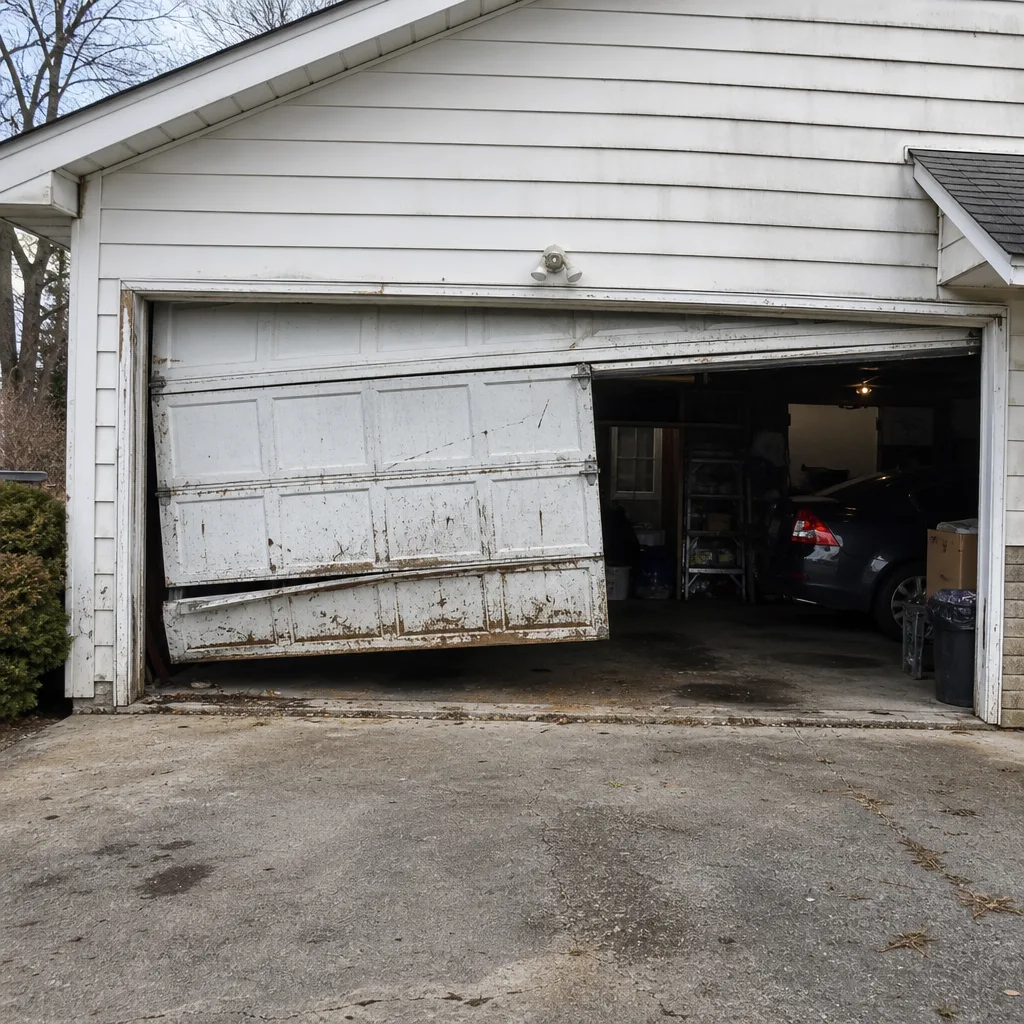 Before
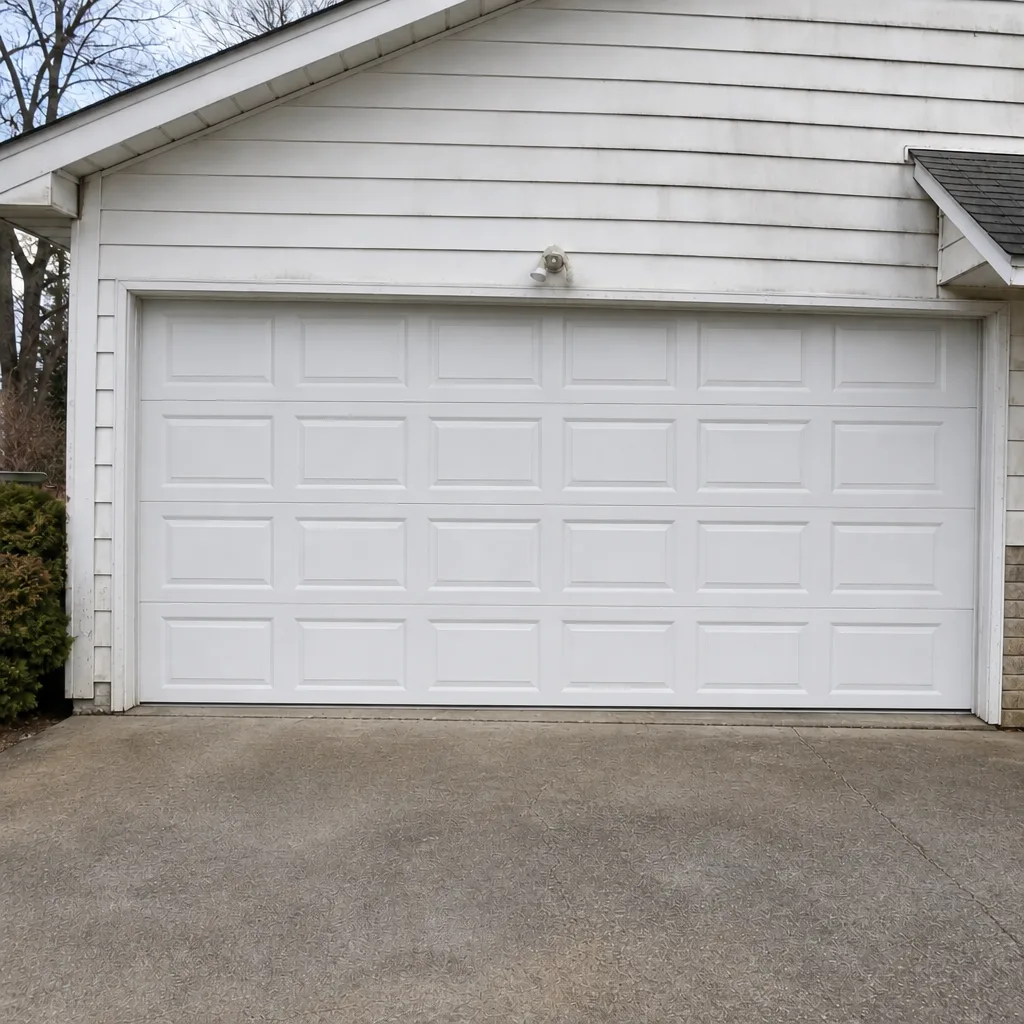 After
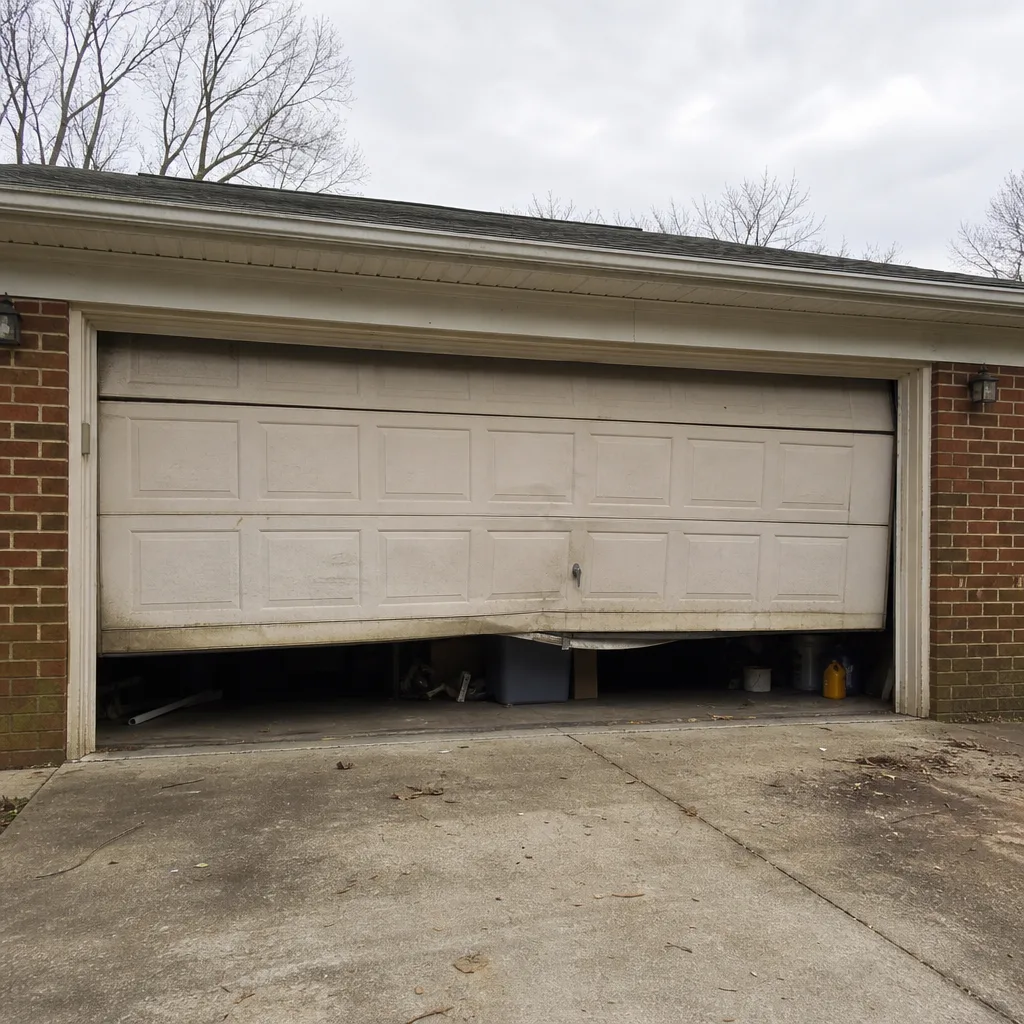 Before
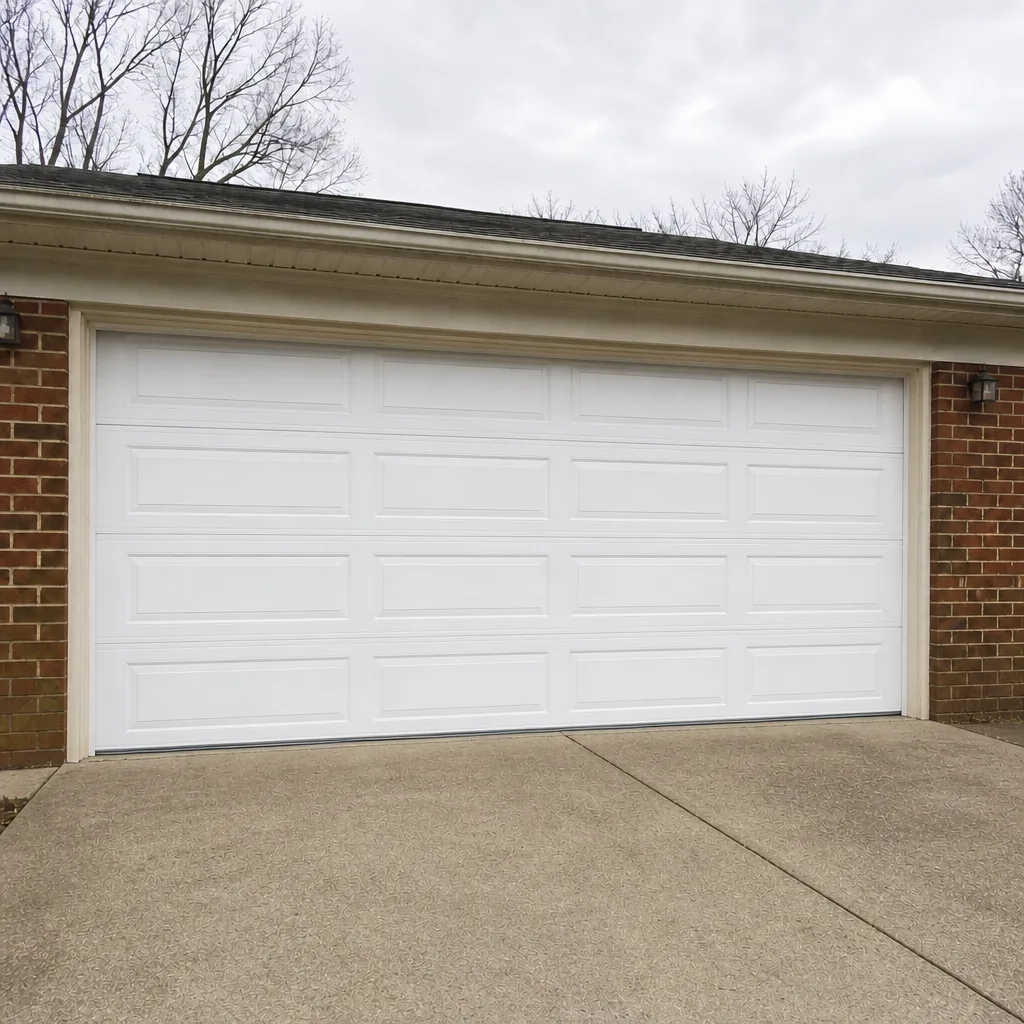 After
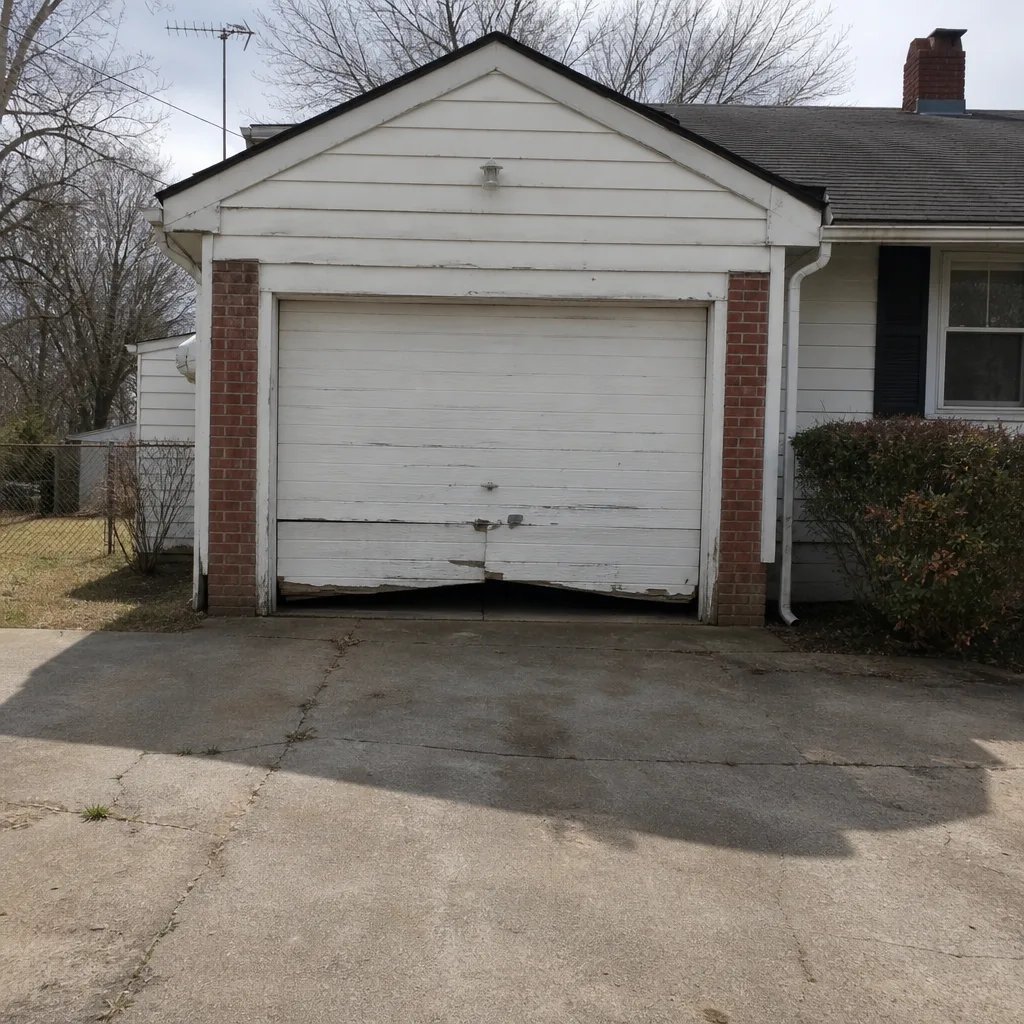 Before
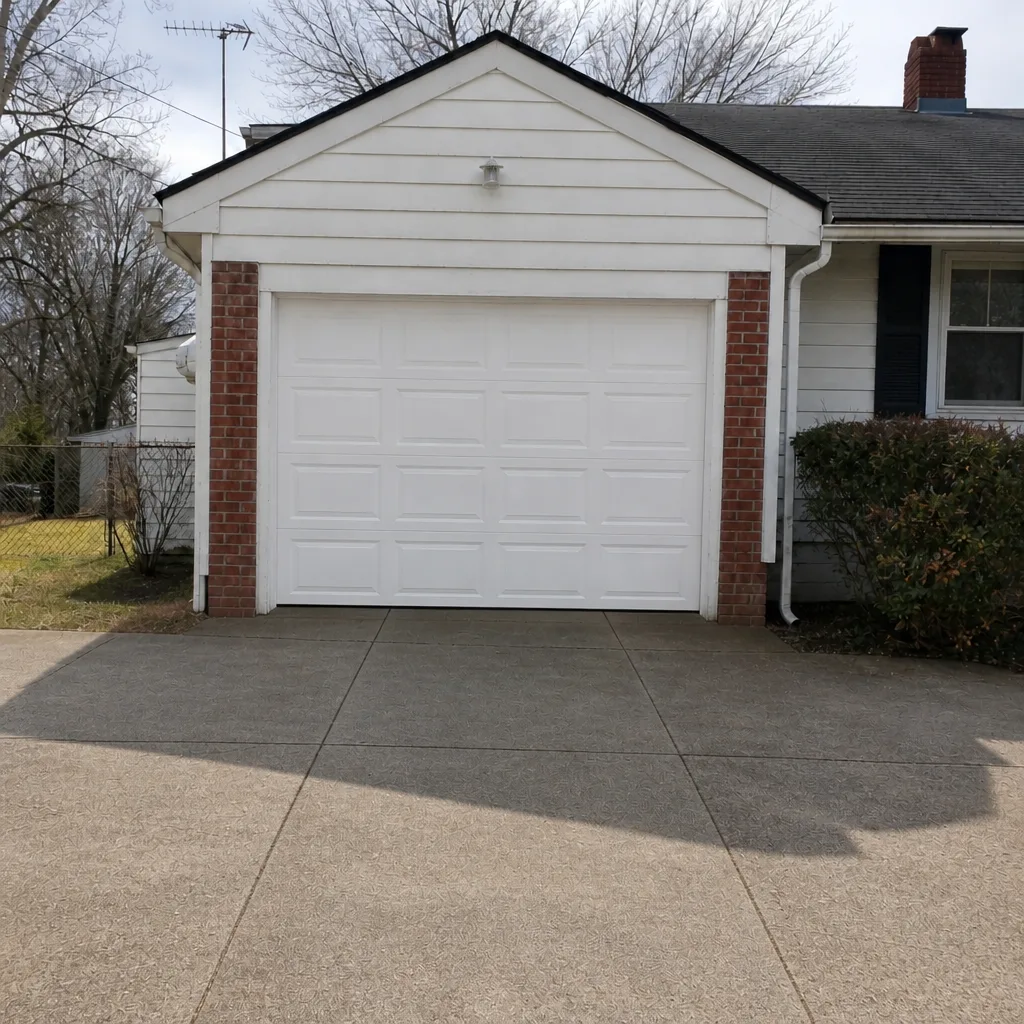 After
When to Call a Professional
Call a professional the moment a task involves stored tension, spring-loaded hardware, or a door that shudders or hangs unevenly. That means torsion springs, extension springs, cables, bottom brackets, and any repair that follows a snapped cable or a spring failure. Call too when an opener keeps reversing, strains on a door that isn’t balanced, or loses its limits after a repair. A door that’s been repaired once and is due again belongs to a scheduled service call rather than another round of fixes. Our technicians have up to 10 years of experience with these repairs and work on the brand you already have, including LiftMaster, Chamberlain, Genie, and Clopay systems. Clinton Garage Door Repair Pros offers free estimates in Clinton. Call (866) 937-9005. We answer 24/7. Fast dispatch from 7am to 7pm, Sunday through Friday. If a door fails outside dispatch hours, a call gets booked into the next opening, and emergency service handles the broken doors that leave a home exposed or a car trapped. For a full new-door installation, the process is measured and scheduled rather than rushed, and we bring a written price before anything is ordered.
Frequently Asked Questions
For weatherstripping, sensor alignment, lubrication, and minor panel fixes, yes, DIY is cheaper and safe. For springs, cables, and bottom brackets, DIY is not cheaper once a failed repair is factored in, because the rework usually costs more than the original professional repair. The deciding factor is which component the job touches, not whether you feel confident.
No. A torsion spring holds the door’s full weight in stored torque, and that tension is released in controlled increments with winding bars by a trained technician. No safe improvised substitute exists. A skilled professional handles the release, the matched replacement, and the balancing afterward.
Spring repair is priced per job by a written estimate, and a matched pair of springs is almost always replaced together, so the pair costs more than a single spring. The exact figure depends on the door’s weight, spring size, and whether the cables and brackets need attention. Call (866) 937-9005 for an exact quote, and the estimate is free.
No. The written estimate sets the price, and the price is agreed before any work starts. If the repair reveals a related problem, such as a worn cable or a bent track from the original failure, we talk it through and quote it before touching it. You won’t see a surprise number on the invoice.
Sometimes. Check the safety sensors first: clean the lenses, make sure both point at each other, and confirm they sit at the same height. Reconnect the opener to the app or remote if it’s a pairing issue. If the door itself is stiff or unbalanced, the reversal is a symptom and belongs to a professional diagnosis, because the opener is compensating for a door that needs attention.
Repair makes sense on a door under about 10 to 15 years old with an isolated problem. Replace when the door has had repeated major repairs, when spring, cable, or panel work is due on a door that’s already showing its age, or when the opener has failed alongside the door. Clinton’s temperature swings age the door’s moving parts faster than a milder climate, so a door that’s had multiple repairs is often at that point. We handle both repair and full installation, so the decision doesn’t require a second company. Call (866) 937-9005 for a free estimate.
The Bottom Line
The DIY-vs-professional question for a garage door is answered by the component, not by confidence. Weatherstripping, sensor alignment, lubrication, and small panel fixes are yours. Torsion springs, cables, and bottom brackets belong to a trained professional because the risk is physics and hardware configuration, not skill. In Clinton, the temperature swings make springs, seals, and cables wear faster, so routine inspection matters more than it does in a milder climate. Know the line, handle the safe jobs yourself, and call for the rest. Clinton Garage Door Repair Pros offers free estimates in Clinton, and our technicians have up to 10 years of experience with every major brand. Call (866) 937-9005. We answer 24/7. Fast dispatch from 7am to 7pm, Sunday through Friday.
Start with a free estimate at Clinton Garage Door Repair Pros. Tell us what the door is doing, and we’ll tell you whether it’s a one-time fix or a job that needs a professional.
Written by the team at Clinton Garage Door Repair Pros.