
Last updated November 23, 2026
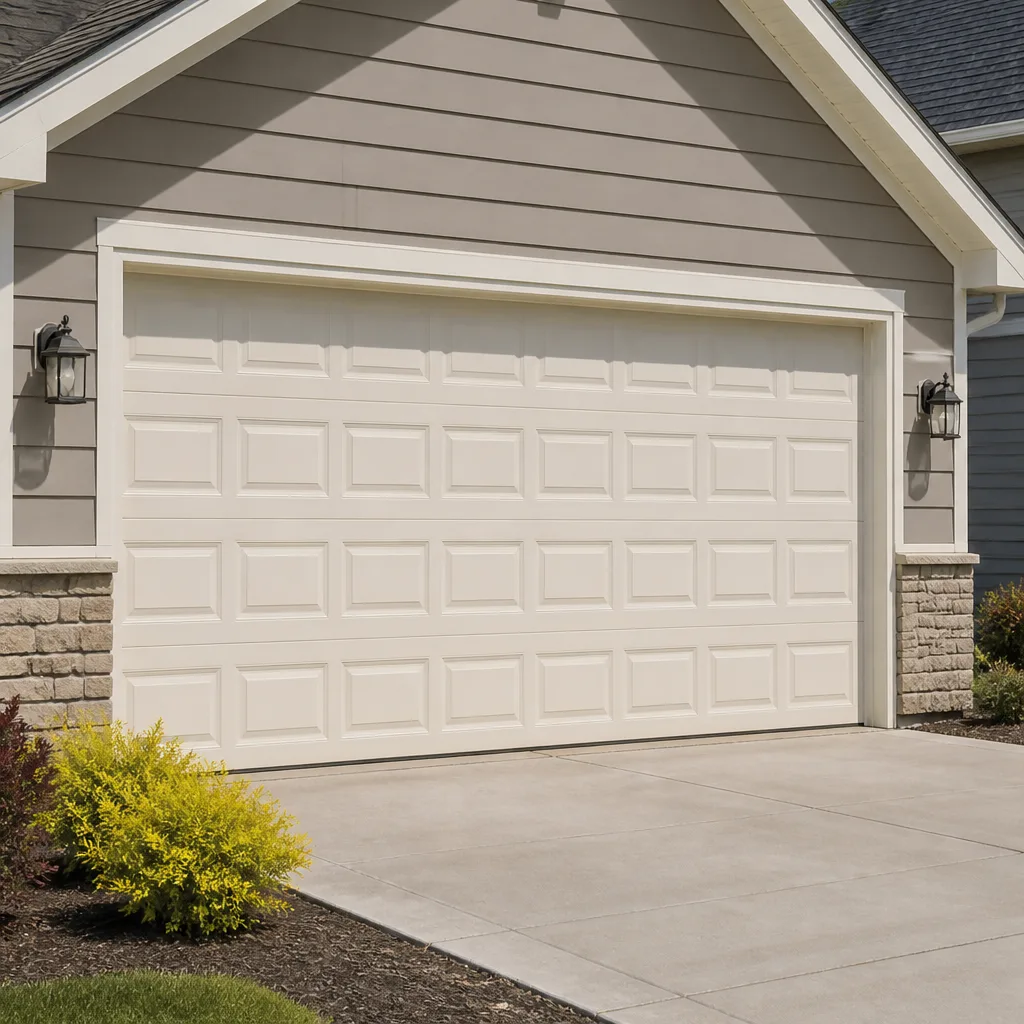 Raised-panel steel
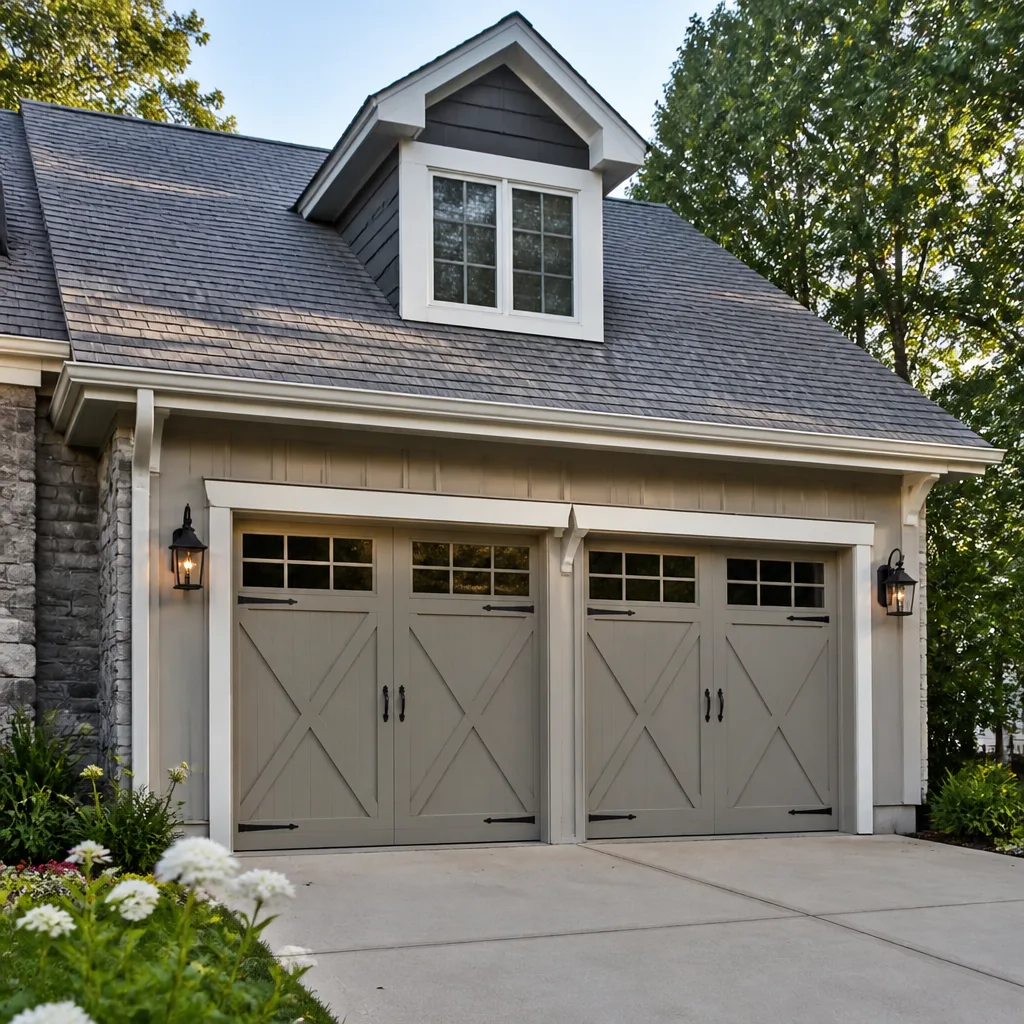 Carriage house
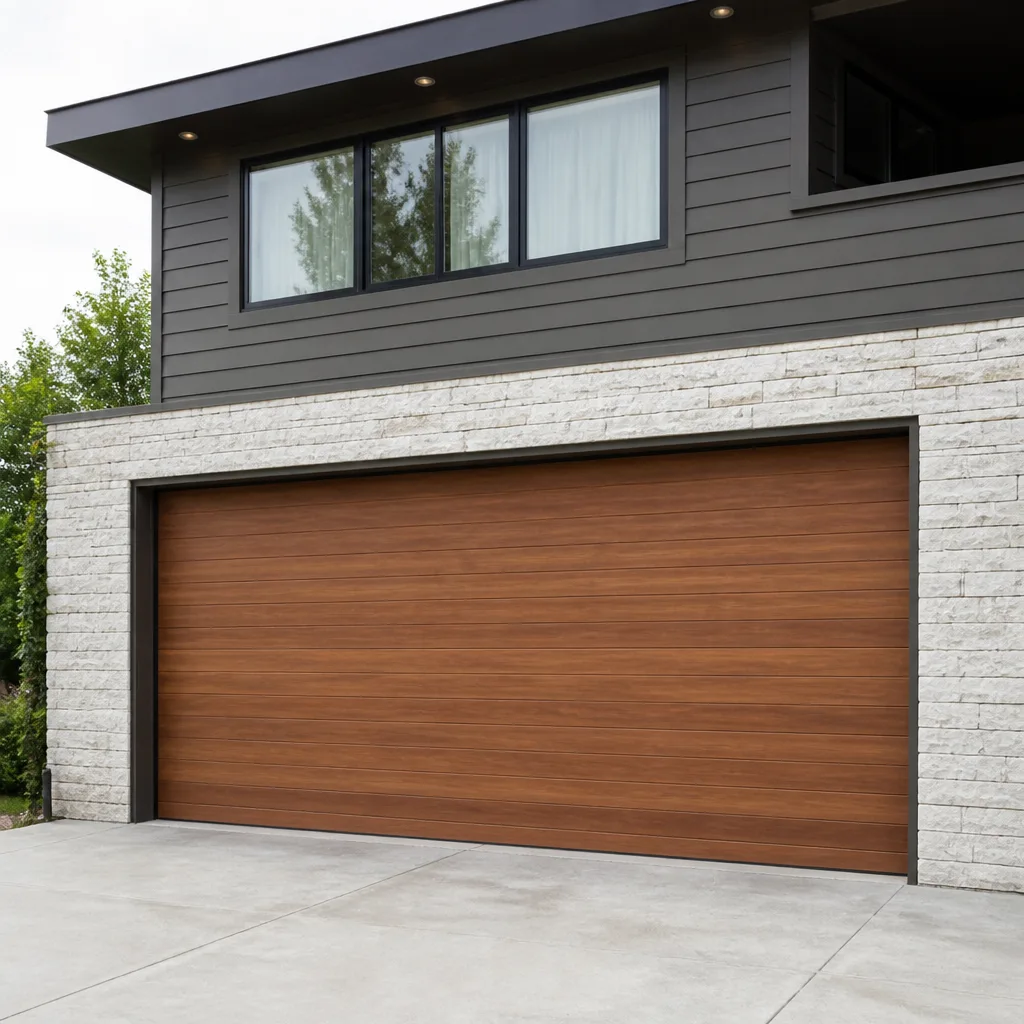 Modern flush
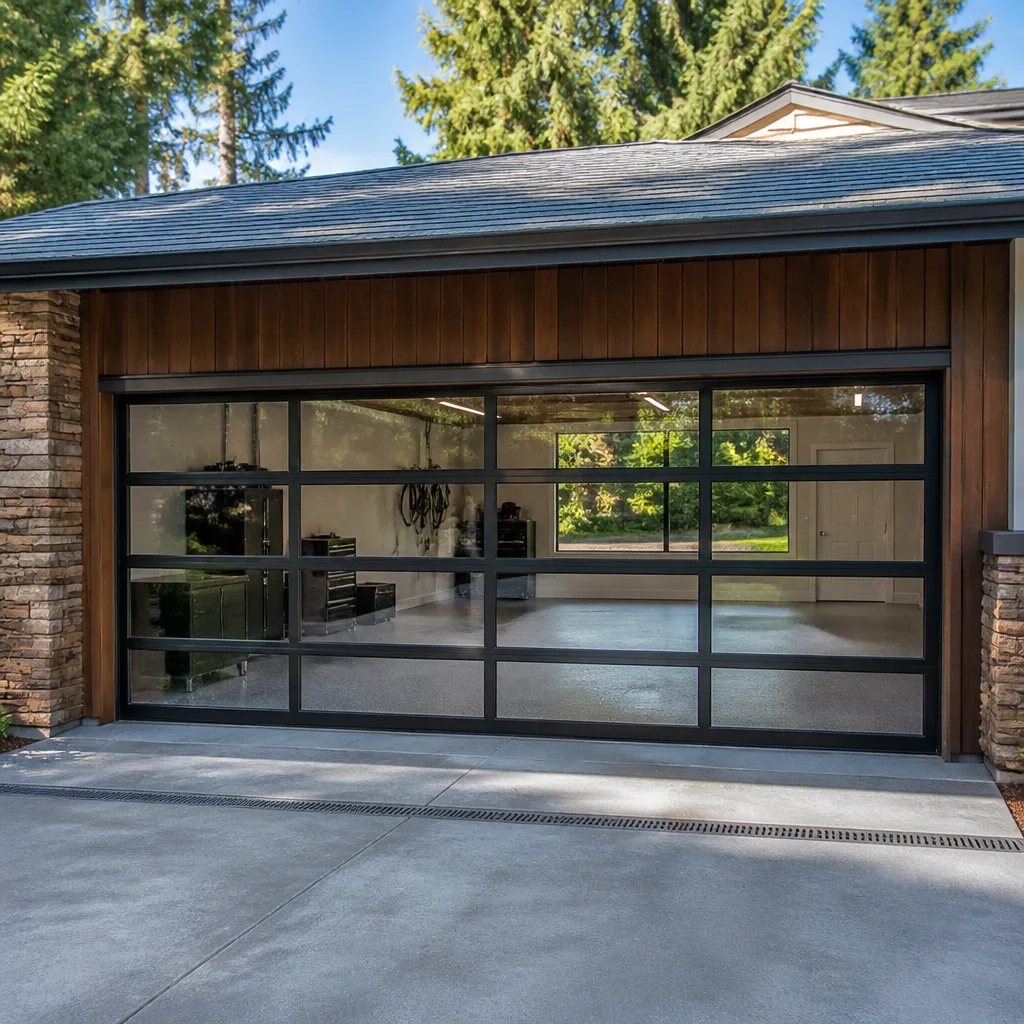 Full-view glass
 LiftMaster openers
 Chamberlain openers
Full 25-point door and opener safety check with every visit - springs, cables, rollers, tracks, and your LiftMaster or Chamberlain opener included
You get a price before we start. It does not change when the pro arrives.
Get your free estimateGarage Door Emergency Preparedness Guide for Clinton Homes
Most Clinton homeowners learn how their garage door works on the worst possible morning: a spring snaps, the door won’t budge, and two cars are trapped inside. The counterintuitive part is that the door itself usually isn’t the emergency. The emergency is what happens in the first ten minutes after it fails, when someone forces a panel, yanks the wrong cord, or props the door open with a broom handle. A few minutes of preparation turns a four-hour ordeal into a twenty-minute fix. This guide walks through the three real emergencies Clinton homes face, how to use the emergency release safely, when not to touch anything, and what to have ready before you call. Your garage door is a safety system, not just a convenience.
Quick Answer
A garage door emergency in Clinton usually falls into one of three categories: a car trapped inside, a door stuck open in a storm or overnight, or a broken spring that takes the whole door offline. The safe first move is always to stop operating the door and identify which failure you have. If a spring or cable is visibly broken or the door is off its track, keep everyone clear and call a trained technician. If the door is intact and the opener has simply lost power, the emergency release lets you operate it by hand. Knowing which situation you’re in before you touch anything is the difference between a quick repair and a dangerous one.
Styles & brands we work with
- Raised-panel steel
- Carriage house
- Modern flush
- Full-view glass
- LiftMaster openers
- Chamberlain openers
Table of Contents
- The Three Garage Door Emergencies Clinton Homeowners Actually Face
- How to Use the Emergency Release Cord Safely
- When the Door Is Stuck Open: Securing It Overnight
- Broken Springs and Snapped Cables: What Not to Do
- Power Outage Protocol for Your Opener
- What to Have Ready When You Call for Emergency Service
- Prevention: The Monthly Checks That Catch Failures Early
- Common Mistakes to Avoid
The Three Garage Door Emergencies Clinton Homeowners Actually Face
Every emergency call we take in Clinton fits into a narrow set of scenarios, and each one has a different response. Knowing which you’re in before you touch the door keeps you safe and helps us get you the right repair.
1. The car trapped inside
This is the classic morning crisis. The door won’t open, the kids need to be at school, and you need to be at work. The good news is that a trapped car is rarely a mechanical panic. If the door is intact and simply won’t lift because the opener has lost power or a remote has failed, the manual release solves it in minutes. If a spring has broken, the door may lift partway and then slam down, which is where people get hurt. Never force a door that feels unusually heavy or drops on its own.
2. The door stuck open
A door that’s open and won’t close is a security problem as much as a mechanical one, especially overnight. Your tools, bikes, and anything else in the garage are exposed, and the open door advertises that the house may be unattended. Securing it is the priority, and how you do that matters, because some common locking methods can damage the door or cause it to drop without warning. We cover the safe approaches below.
3. The spring that takes it all offline
A torsion or extension spring failure takes the entire door offline. The door becomes extremely heavy, and lifting it by hand is both exhausting and dangerous. This is the one scenario where the right move is to clear the area and call. Spring repair is one of the highest-risk garage door jobs, which is exactly why it belongs with a trained technician who has the right tools and understands the tensions involved. When this happens in Clinton, it doesn’t matter whether the door is a Clopay or an Amarr; the response is the same.
How to Use the Emergency Release Cord Safely
The emergency release cord is the red handle hanging from the opener rail, and it disconnects the door from the motor so you can move it by hand. Most homeowners have one and have never used it. Used correctly, it gets you out of the garage in minutes. Used on the wrong door, it can drop a panel on your car.
- Confirm the door is closed and no one is in the path. Before you pull anything, make sure the door is fully down and the area underneath is clear. If the door is open and off-balance, do not pull the cord. Call a technician.
- Check the door’s weight by hand. With the door closed, try to lift the bottom edge a few inches. If it lifts easily, a spring is intact enough to run the door manually. If it’s heavy or won’t move, stop. A broken spring means the door should not be operated by hand.
- Pull the release cord straight down with a firm, even motion. You may hear a click as the carriage disengages. Do not yank or twist it.
- Lift the door slowly and evenly. Use both hands on the bottom section or a center handle. Raise it until it’s fully open, then check that it stays put. A healthy door should hold position without help.
- Re-engage the opener when you’re done. Close the door fully by hand, then run the opener once so the carriage reconnects. Test it by lifting the door a few inches; if it holds firm, the opener is engaged.
Do not use the release cord on a door with a visibly broken cable or a door that has come off its track. In either case, the door’s balance is compromised, and releasing it can send it crashing. Both of those situations belong with a technician. If you’re in Clinton and aren’t sure which situation you have, call (866) 937-9005 and describe what you see. We answer 24/7. Fast dispatch from 7am to 7pm, Sunday through Friday. For more detail on how a stuck door gets diagnosed, see our guide to garage door repair.
When the Door Is Stuck Open: Securing It Overnight
A door that won’t close is a security gap that needs to be closed before you go to bed. The right approach blocks the door safely without risking a drop. The wrong one can damage the door or hurt someone.
Safe ways to secure an open door
- Use a vice grip or clamp on the vertical track above a roller. Place it on the track directly above a roller on one side so the door cannot travel down. This is a temporary hold, not a permanent fix, but it stops an accidental drop.
- Slide a sturdy board or locking bar through the track openings. A piece of wood or metal bar wedged through the tracks under the bottom section can hold the door up, provided it’s on both sides and cannot slip.
- Lock the door’s own slide bolt or manufacturer lock, if it has one. Clopay and Amarr doors, for example, often come with a manual lock. If yours is intact and the door is fully down (rare in this scenario), engage it.
- Post a warning. Tape a note on the opener control and the door itself so no one in the household runs the opener while the door is blocked.
Unsafe methods to avoid
- Never prop the door with a broom handle, mop, or thin stick. These can snap or slip and drop the door. Use something rated for the weight.
- Never place a ladder or chair under the door panel. The door weighs far more than most homeowners expect, and a folding ladder is not a support.
- Never leave the door partially open with the opener still powered. A remote in another car, a kid with a spare clicker, or a scheduled app action can run the motor without warning.
Once the door is secured, treat the repair as a scheduled job rather than a same-day panic. Most door-that-won’t-close issues come down to a misaligned photo-eye, a limit switch, or a worn opener gear, all of which are fixed with a proper diagnosis. For brand-specific troubleshooting, our garage door opener repair page covers the common failures in Chamberlain and Genie systems.
Broken Springs and Snapped Cables: What Not to Do
A broken spring or cable is the most dangerous garage door failure you’ll face at home, and the safest response is almost always to leave the door alone. Springs and cables store enormous tension. When one fails, that tension releases unpredictably, and a door that came off its track can fall with enough force to injure someone or crush whatever is under it.
If a spring snaps
You’ll usually hear a loud bang, like a gunshot, followed by the door dropping hard. Do not try to lift it by hand. The door’s full weight is now on the opener or on you, and running the motor will strip the opener gear or, worse, cause another failure. Keep the door closed if it’s already down, keep kids and pets away, and call for spring service. Our technicians have up to 10 years of experience with exactly this failure, and garage door spring repair is a named service we handle with the right tools for the tension involved.
If a cable snaps
A snapped cable usually shows up as a door that hangs at an angle, with one side lower than the other. Do not force it, do not run the opener, and do not attempt to reattach the cable yourself. A door on a broken cable can come off its track under the right conditions, and forcing it makes a smaller repair into a much bigger one. When a cable is broken, the honest answer is that the door is not safe to operate.
If the door comes off its track
This is a two-person-plus job for a trained crew, but it’s a one-person decision for you: stop. Don’t pound the door back onto the track with a hammer, don’t run the opener to “reset it,” and don’t push the rollers back in by hand. Any of those can bend the track, twist the panels, or drop the door. In Clinton, most off-track doors happen after an impact (bike, car, ladder) or a broken cable, and both need the door looked at before anything moves again.
Power Outage Protocol for Your Opener
A power outage doesn’t have to trap your car. Every opener with a manual release can be operated by hand, and modern openers from brands like Chamberlain and Genie often include a battery backup that handles shorter outages without you doing anything.
- Test the opener first. Press the wall button once. If nothing happens, check the breaker panel before assuming the outage is only on your block.
- Locate the release cord and disengage the carriage using the sequence above. Never disengage with the door open.
- Operate the door by hand at a slow, steady pace. Get the car out or in, then close the door fully before re-engaging.
- Re-engage the opener correctly. With the door fully closed, run the opener once so the carriage catches. Test the door by lifting it slightly; if it resists, the opener is reconnected.
- After power returns, run a safety test. Close the door with something in the path (a roll of paper towels works) and confirm it reverses. Check the photo-eye alignment on both sides of the door frame.
If your opener is a Wi-Fi or app-based model, the power outage may also reset its connectivity. Most Chamberlain and Genie units reconnect through their apps with a simple re-pair, and we walk homeowners through that over the phone more often than you’d think. If the opener stays unresponsive after power returns, our team can help you sort out the difference between a power problem and a hardware failure.
What to Have Ready When You Call for Emergency Service
The right information makes an emergency call into a scheduled repair. Have these ready when you call from Clinton:
- The door brand and rough age. Clopay, Amarr, Wayne Dalton, and other brands each have quirks. Knowing yours lets the technician arrive with the right parts.
- The opener brand and model. LiftMaster, Chamberlain, Genie, Craftsman, and Raynor each have different diagnostic steps. If you can see the model on the label under the light cover, note it.
- What failed first. Did the door bang before it stopped? Did it drag one side? Did it jolt halfway and reverse? These details matter for diagnosis.
- Whether the door is currently open or closed. This changes the urgency, especially if the door is open overnight.
- What’s under the door. A car in the path changes how the door needs to be secured.
- Whether the door has been forced or operated since the failure. This tells us whether the damage is likely contained or has spread to the tracks or opener.
- Your address, and any access notes. Clinton has a range of homes from older stock near the downtown core to newer builds out toward the surrounding subdivisions.
Call (866) 937-9005 with those details. We answer 24/7. Fast dispatch from 7am to 7pm, Sunday through Friday. For scheduled work, a free estimate is written before any repair begins.
Prevention: The Monthly Checks That Catch Failures Early
Most emergencies we’re called to in Clinton were building up for weeks before the door failed. A five-minute monthly check catches most of them.
What to look at every month
- Listen to the door as it moves. Grinding, squealing, or popping noises are early warnings. A quiet door is a healthy one.
- Watch for a sag or tilt. If one side of the door lags behind the other, a spring or cable is weakening.
- Test the safety reverse. With the door closing, pass something through the photo-eye beam. The door should reverse immediately. If it doesn’t, that’s a same-day fix, not a maybe.
- Check the release cord. It should hang freely and reachable, and the red handle should be clearly visible. If it’s tangled or hidden behind stored items, clear it.
- Balance the door by hand. With the opener disengaged, lift the door halfway. A balanced door should stay put. If it drops or rises on its own, the springs are out of adjustment.
- Inspect the rollers and hinges. Cracked nylon rollers, loose hinges, and bent tracks are all cheap early fixes.
Clinton’s summer heat and humidity work on the door’s metal and springs, and cold snaps in winter stiffen the lubricant. A door that ran quietly in October can start dragging in January. The seasonal shift is a good reminder to check yours. If a check turns up something you’re not sure about, call us and describe it. More often than not, a small repair today saves an emergency call tomorrow.
Common Mistakes to Avoid
- Yanking the emergency release while the door is open. The most dangerous thing a homeowner can do with a garage door. If the door is open and you pull the cord, it can drop without warning. Make sure the door is down first.
- Forcing a door that’s off its track. Pushing, kicking, or hammering the door back onto the track can bend the panels and twist the hinges. A small realignment turns into a full replacement.
- Running the opener after a spring failure. The opener isn’t built to lift the door’s full weight, and it will strip gears or burn out the motor. Stop pressing the button.
- Propping an open door with a broom. A broom handle cannot support a garage door. Use a proper clamp on the track or call for help securing it.
- Ignoring a sagging door. A door that sags to one side is telling you a spring or cable is about to go. Waiting for the full failure adds cost to a repair that could have been smaller.
- Skipping the safety reverse test. If the photo-eyes aren’t reversing the door, the next vehicle or child under the door is at risk. Test monthly.
- Assuming a Clinton power outage is the whole problem. When the door won’t run after the lights come back on, the opener’s safety sensors or its Wi-Fi pairing may have reset. Check the smaller things before assuming the opener is dead.
See the difference
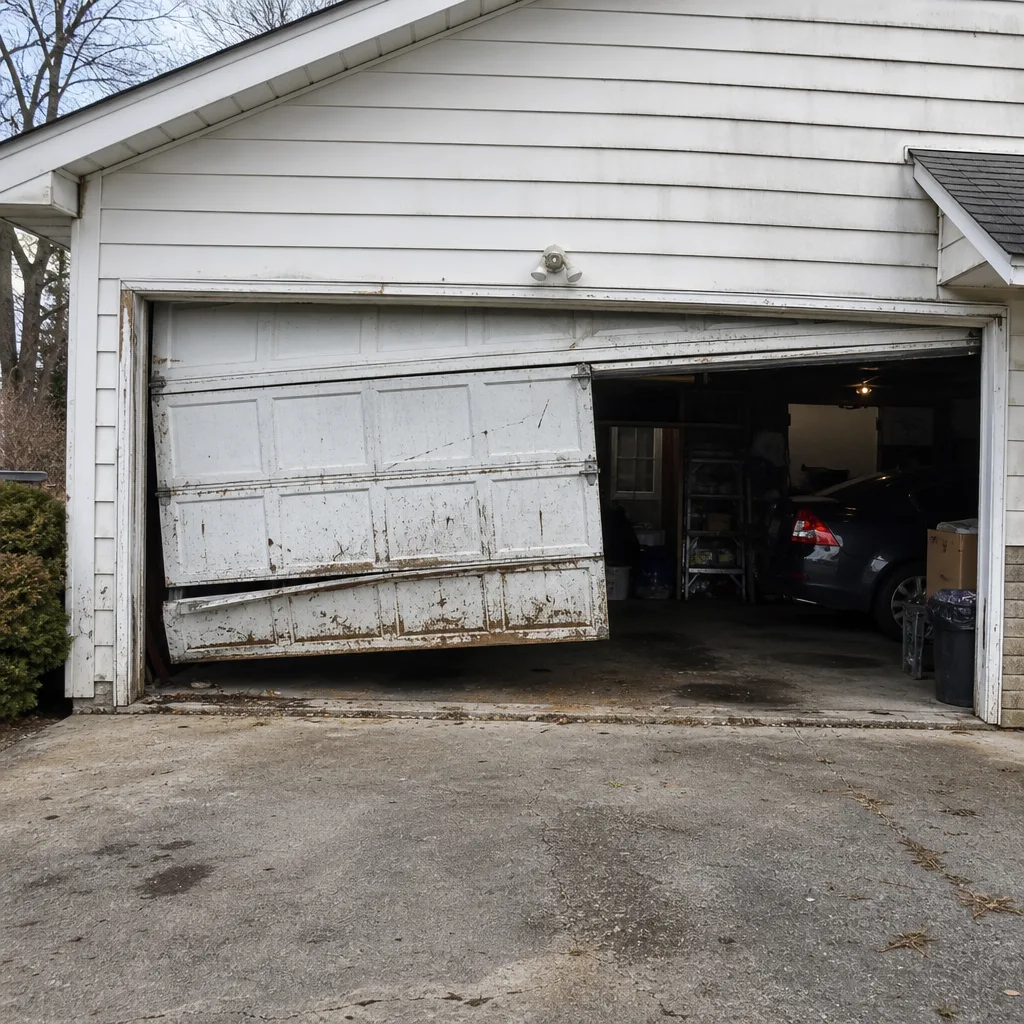 Before
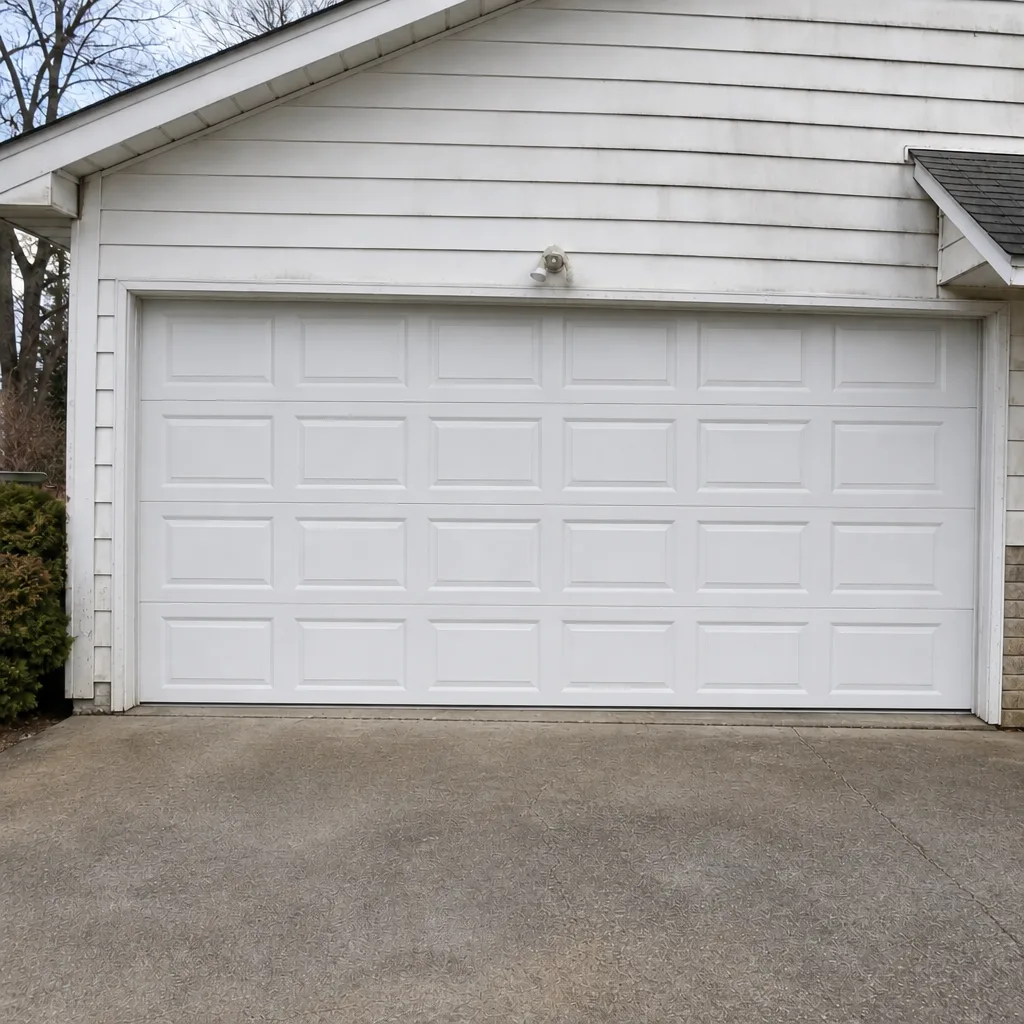 After
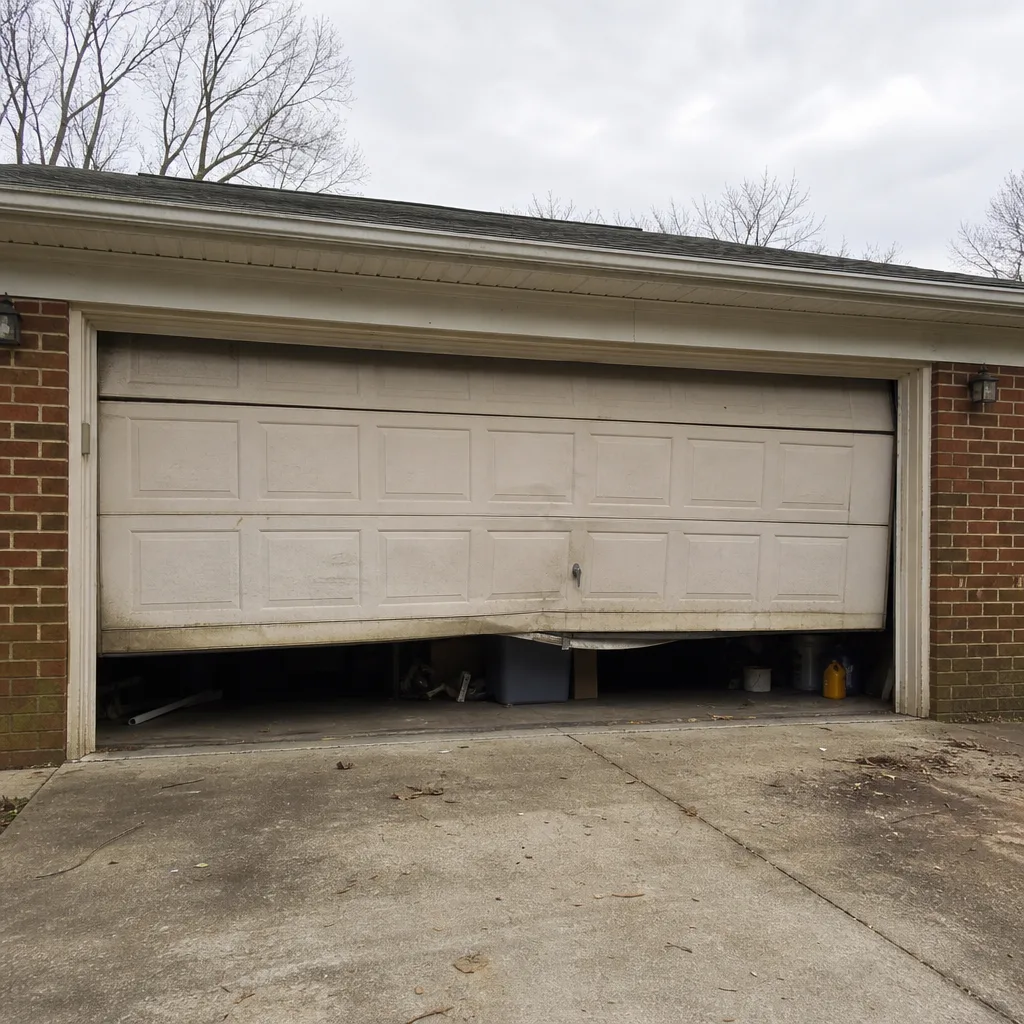 Before
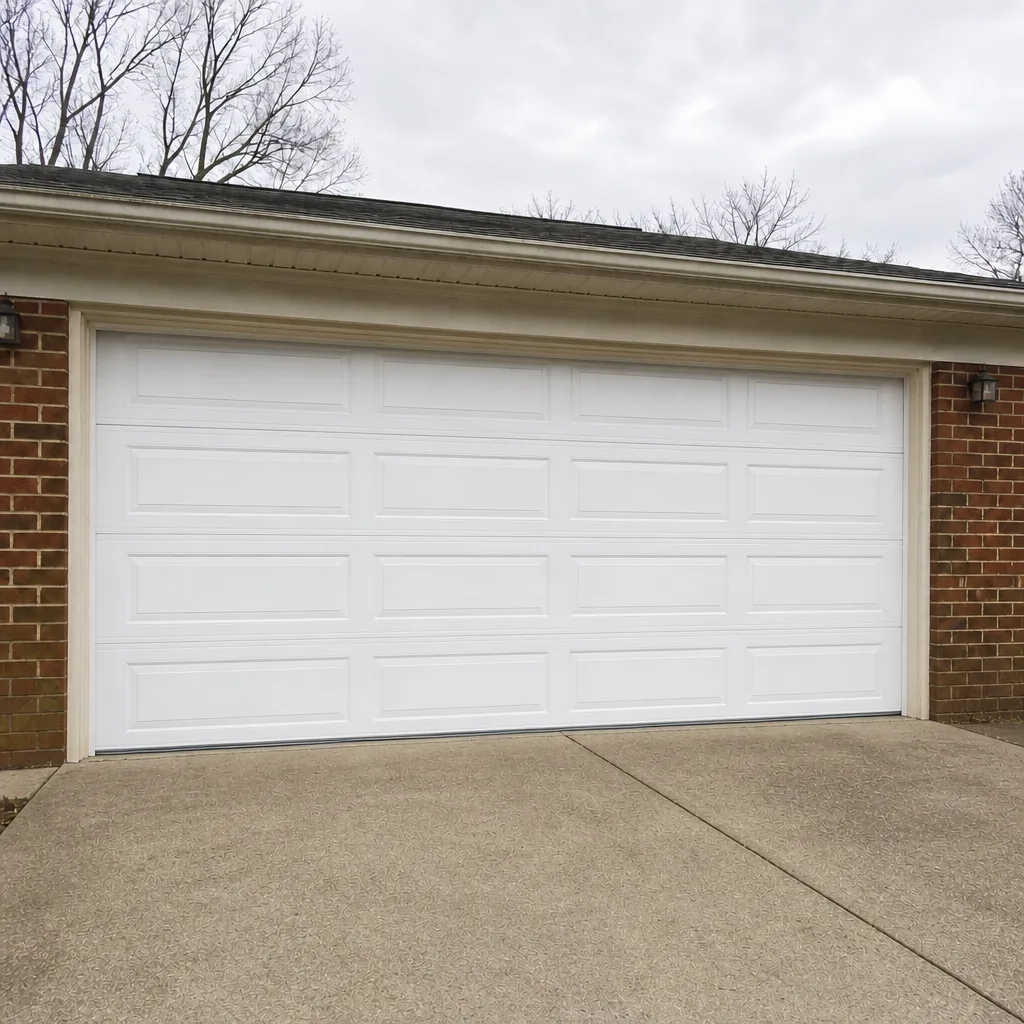 After
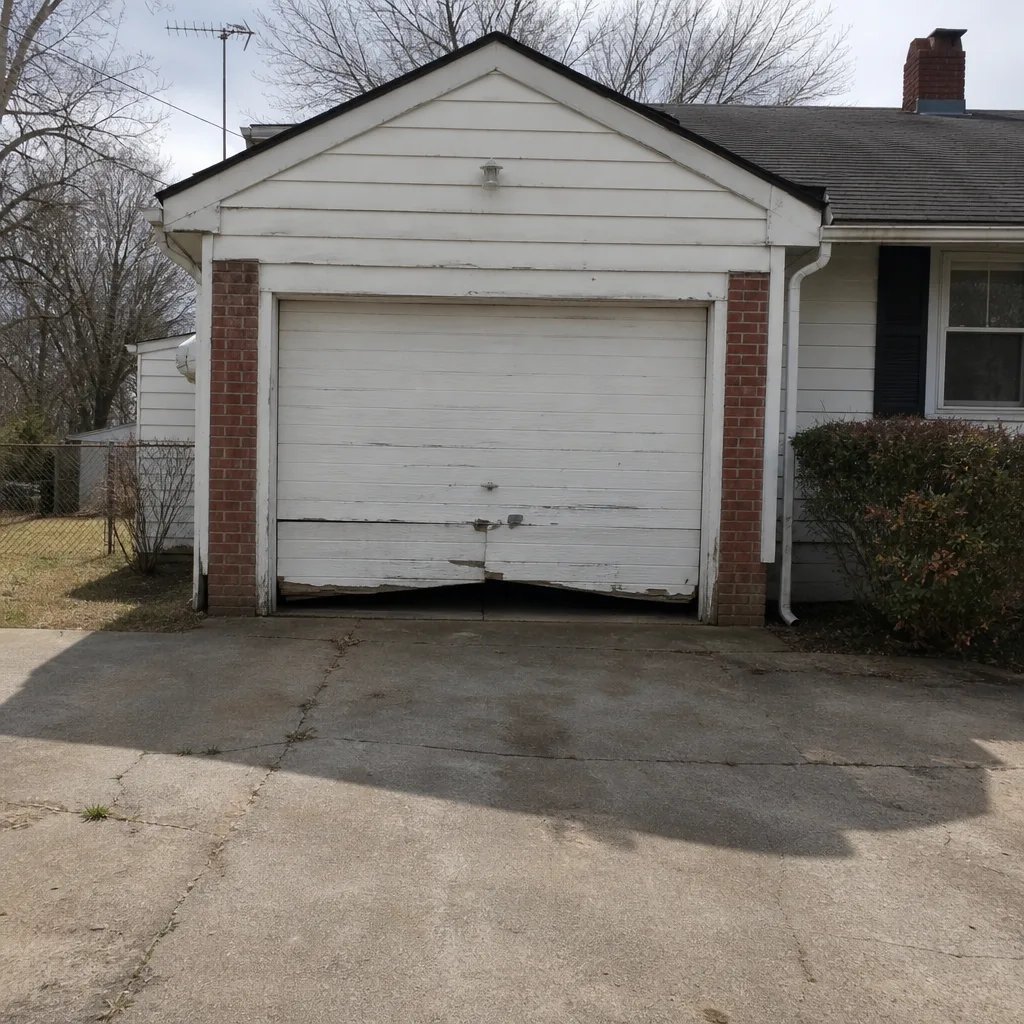 Before
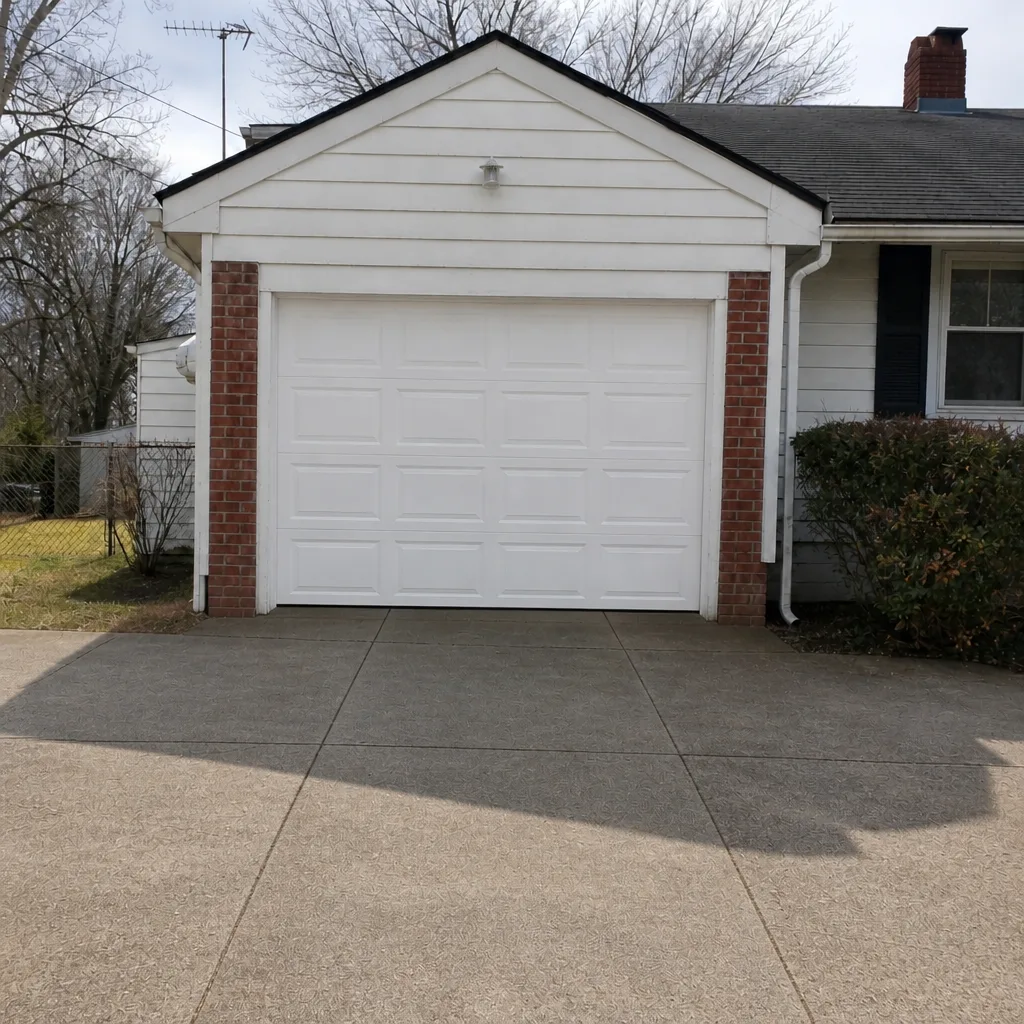 After
When to Call a Professional
Call a professional for anything involving springs, cables, or a door off its track. Those components hold tension that can cause serious injury, and the work belongs with trained hands and the right tools. Call us too if the door is stuck open and you aren’t sure how to secure it safely, or if a car is trapped and the manual release isn’t cooperating. On the opener side, a Wi-Fi pairing problem or a safety sensor issue is often fixable over the phone, but a motor that won’t run, a door that reverses randomly, or a wall control that stops responding are all signs a technician should look. Clinton Garage Door Repair Pros offers free estimates in Clinton. Call (866) 937-9005. We answer 24/7. Fast dispatch from 7am to 7pm, Sunday through Friday. Our technicians have up to 10 years of experience, and we work on the brand you already have, whether it’s a Clopay door or a LiftMaster opener.
Frequently Asked Questions
A garage door emergency in Clinton is any failure that traps a car, leaves the home exposed overnight, or makes the door unsafe to operate. The three common types are a car trapped inside, a door stuck open in a storm or after dark, and a broken spring or cable that takes the door completely offline. If the door is currently open and won’t close, the security issue makes it urgent. If a spring or cable has broken, the safety issue makes it urgent. Call (866) 937-9005 and describe the situation.
Same-day service is available for many repair calls in Clinton, including spring, cable, and opener issues. The route and timing depend on the day and the work involved, so the honest answer is that we’ll quote you a window when you call. We answer 24/7. Fast dispatch from 7am to 7pm, Sunday through Friday. Call (866) 937-9005 for the soonest opening.
No. The emergency release cord is safe to use on a door with an intact spring and a closed door, but it should not be used on a door with a broken cable or a door off its track. In those cases, releasing the door can send it crashing down. If you aren’t sure which situation you have, call us before you pull anything. Estimates are free.
Secure it with a clamp on the vertical track above a roller or a sturdy bar through both tracks, and disable the opener so no remote can run it. Don’t use a broom or a chair as a prop. Then call (866) 937-9005 to schedule a repair. The door can usually be fixed the next available dispatch day rather than left open all night. If it’s currently overnight, we answer 24/7, and a call outside dispatch hours is booked into the next opening, Sunday through Friday, 7am to 7pm.
There’s no single price because every job is different, so the number you get is per job by a written estimate. The estimate is free, and the price is agreed before any work begins. That means no surprise invoice when the tech is done. Call (866) 937-9005 for an exact quote on your door.
No, the written estimate sets the price. The estimate is prepared after the technician inspects the door and identifies the actual failure. If the diagnosis reveals something different from what you described on the phone, the estimate is updated before any work begins, and you agree to it first. Nothing happens on your door without your approval.
The Bottom Line
Garage door emergencies in Clinton come down to a small set of scenarios, and each one has a safe first move. Know where your emergency release cord is and how to use it correctly. Never force a door with a broken spring, cable, or track. Secure an open door with a clamp on the track, not a broom. Have your door and opener brand, model, and failure details ready when you call. Test the safety reverse monthly, and treat a sagging door as a warning rather than a quirk. The homes that get through a garage door emergency in twenty minutes are the ones that prepared for it in advance. If you’re facing one now, our team at Clinton Garage Door Repair Pros is ready to help. Call (866) 937-9005 for a free estimate. We answer 24/7. Fast dispatch from 7am to 7pm, Sunday through Friday.
Written by the team at Clinton Garage Door Repair Pros.