
Last updated November 23, 2026
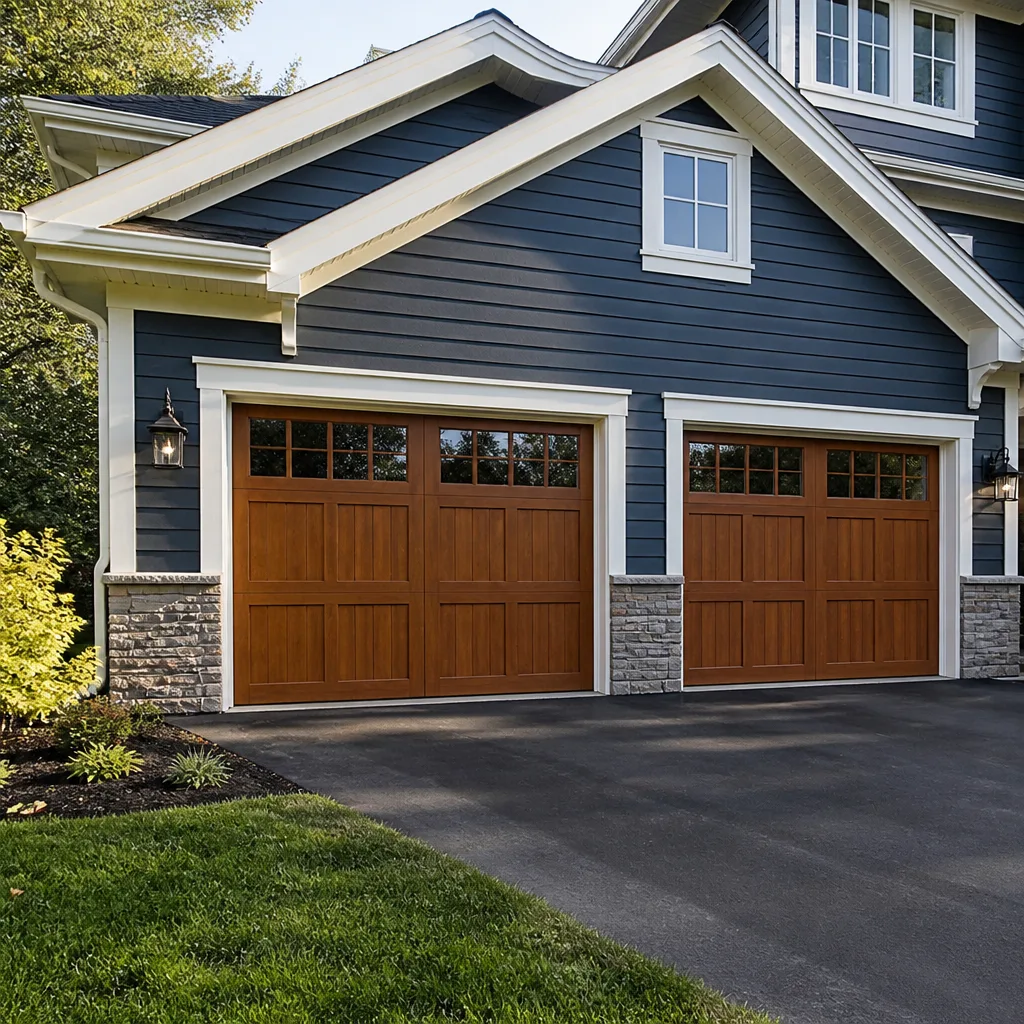
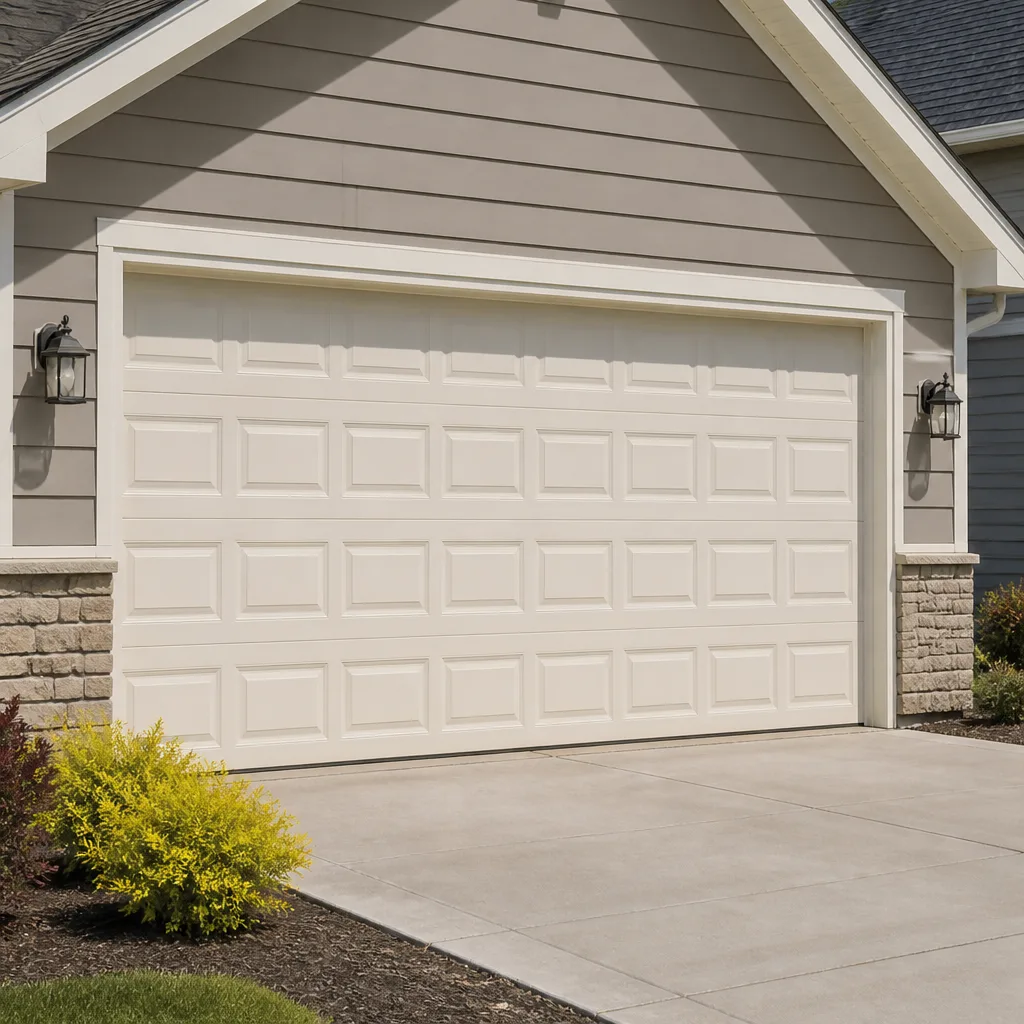 Raised-panel steel
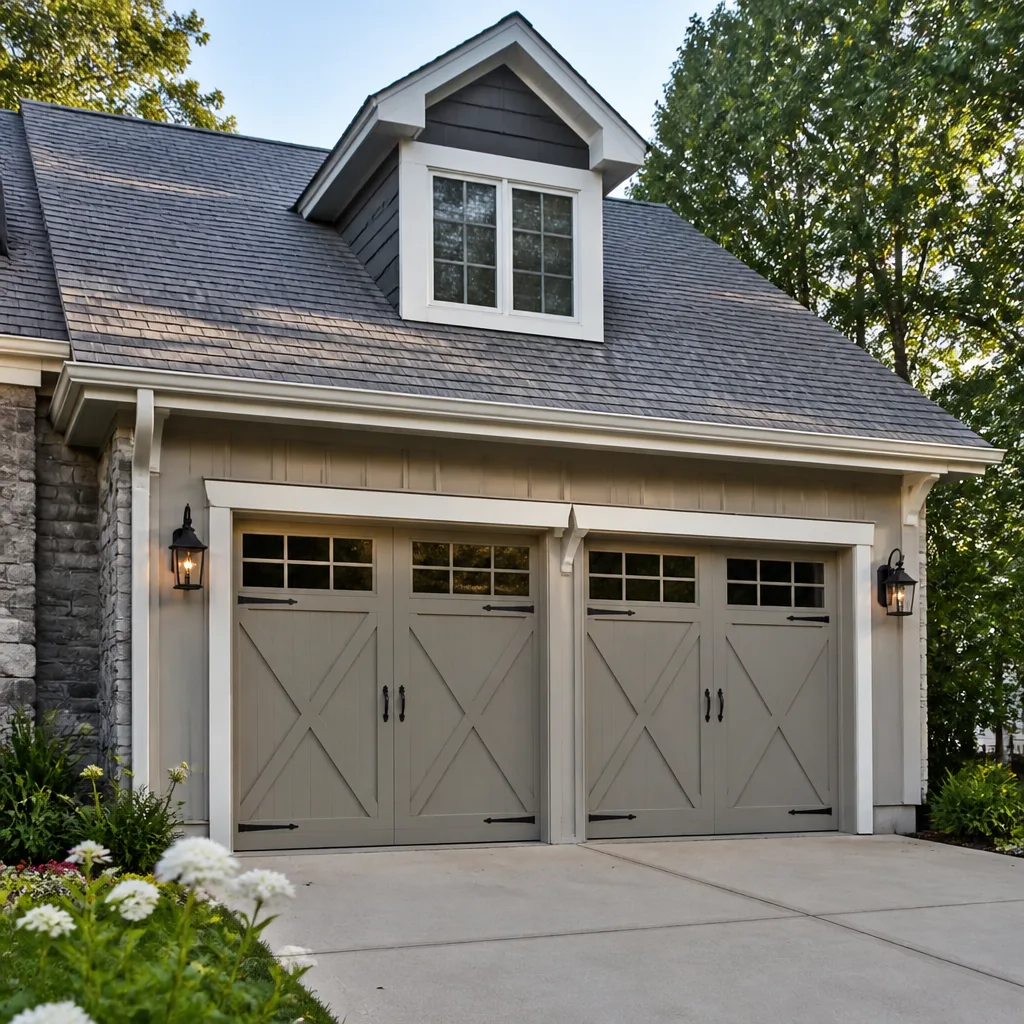 Carriage house
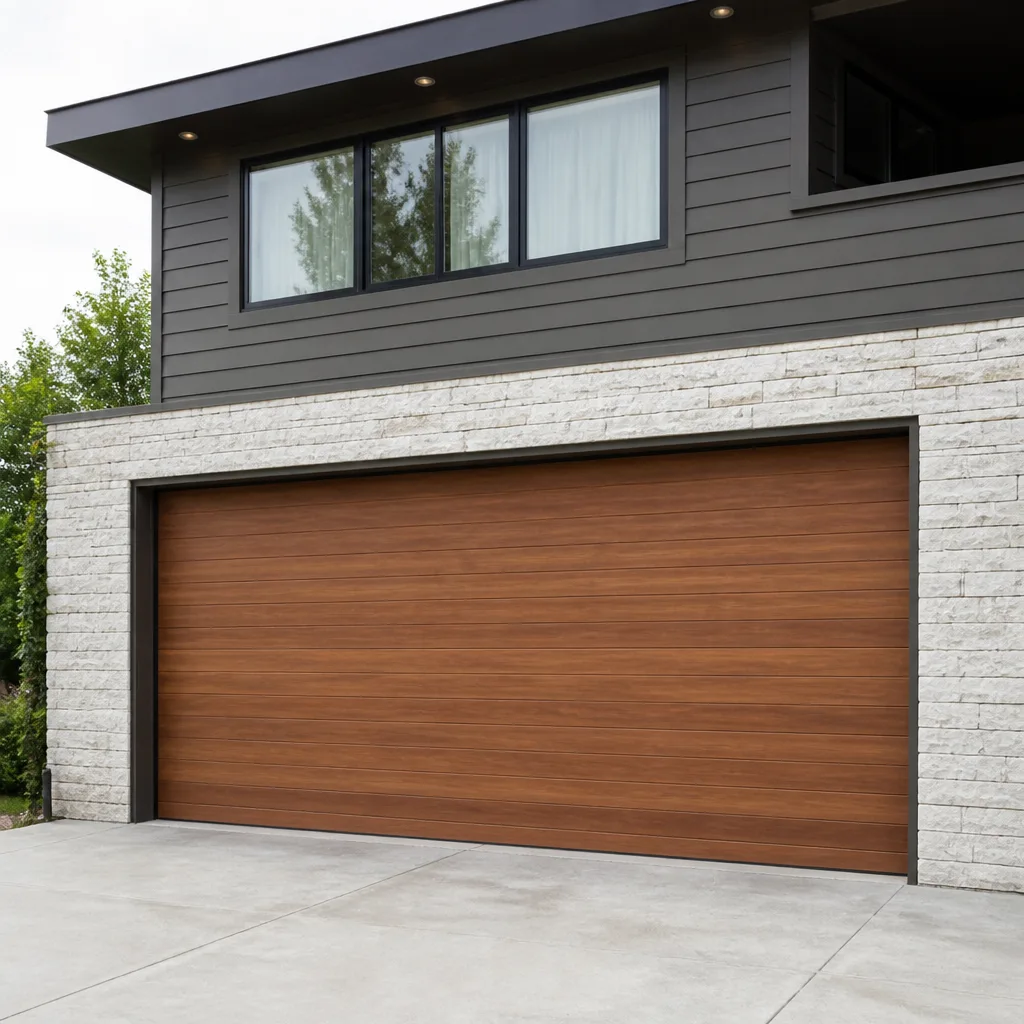 Modern flush
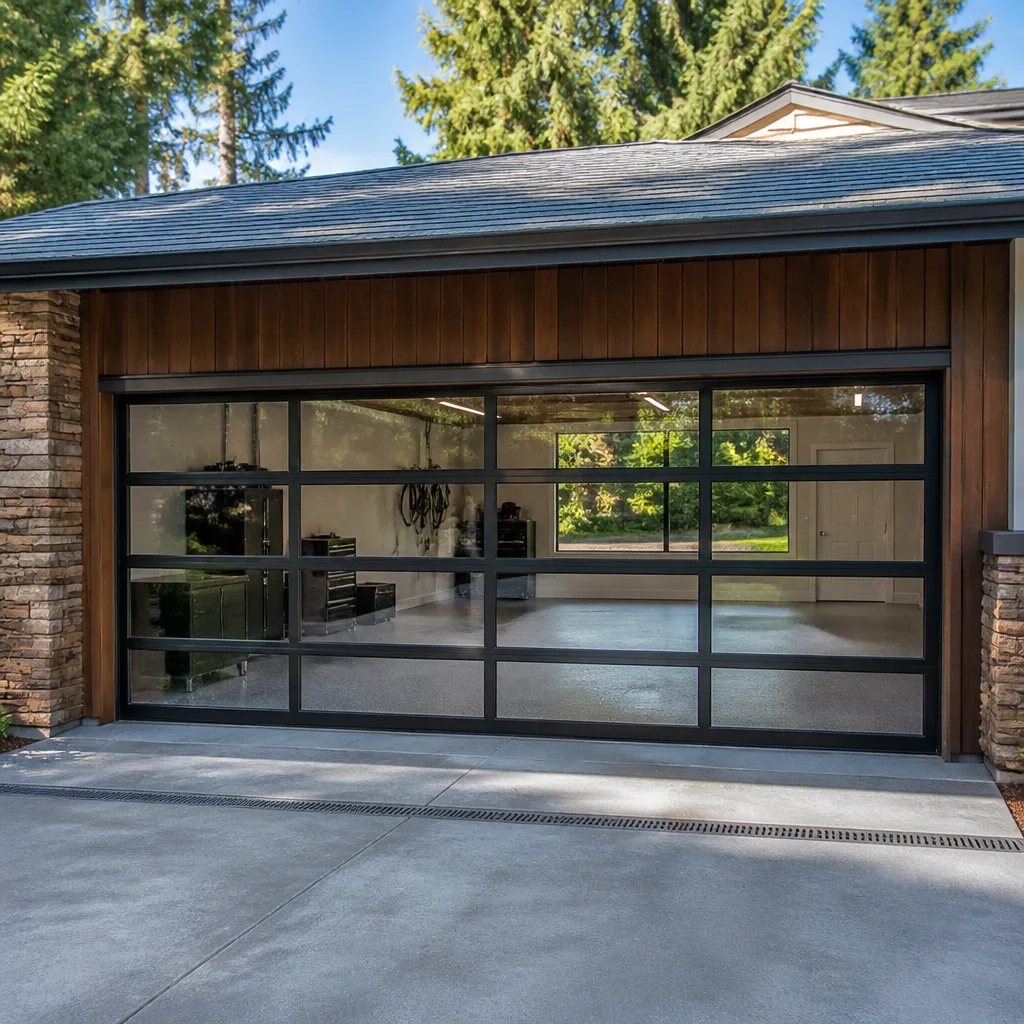 Full-view glass
 LiftMaster openers
 Chamberlain openers
Full 25-point door and opener safety check with every visit - springs, cables, rollers, tracks, and your LiftMaster or Chamberlain opener included
You get a price before we start. It does not change when the pro arrives.
Get your free estimateGarage Door Permits, Codes & Inspections in Clinton, MD: What You Need to Know
Here’s the distinction that trips people up: in Prince George’s County, swapping a garage door for one of the same size, same spring type, and same opener voltage is usually treated as ordinary maintenance. Change the opening, add a structural support, or run new electrical for a heavier opener, and you’ve crossed into permit territory. Most homeowners in Clinton never think about the line until a real estate transaction forces the question. This guide explains where that line actually falls, what Maryland’s residential code expects for opener safety, how the permit process works in the county, and who carries responsibility for pulling it. Read it before you sign anything, not after.
Quick Answer
In Prince George’s County, a like-for-like garage door replacement usually needs no permit, but a project that changes the door size, alters the structural opening, or adds new electrical work generally does. Maryland residential code requires openers to meet the UL 325 safety standard, including the photo-eye and entrapment protections, and inspectors check that compliance when a permit covers the work. When a permit is required, the licensed contractor handling the job is typically the party who pulls it – but confirm that in writing before work starts.
Styles & brands we work with
- Raised-panel steel
- Carriage house
- Modern flush
- Full-view glass
- LiftMaster openers
- Chamberlain openers
Table of Contents
- When Does a Garage Door Project Need a Permit in Clinton?
- Mechanical Replacement vs. Structural or Electrical Change: Where the Line Falls
- What Maryland Code Says About Opener Safety (UL 325)
- What an Inspector Actually Looks At
- How to Pull a Permit for a Garage Door Project in Prince George’s County
- How an Unpermitted Garage Modification Surfaces at Sale
- Common Mistakes to Avoid
- When to Call a Professional
When Does a Garage Door Project Need a Permit in Clinton?
The short version: if the work changes the building, it needs a permit. If it only replaces worn parts with equivalent ones, it usually doesn’t. That single sentence covers most of what homeowners in Clinton ask us about, and it’s the framework the county’s building department applies when reviewing a residential garage door project. The county isn’t trying to regulate how your door looks – it’s regulating changes to the structure and to electrical systems that carry real safety stakes.
Here’s how we’d break down the common cases:
- Same-size door, same spring configuration, same opener voltage: This is a replacement, not an alteration. In our experience, no permit is required in most cases.
- Upgrading to a wider or taller door: The rough opening changes, which means header, jamb, and possibly trim work changes. This almost always triggers a permit.
- Switching from a standard door to a heavier, higher-cycle door: If the springs and torsion hardware change to support a heavier door, and the framing has to be reinforced, expect a permit review.
- Adding a new electrical circuit for a commercial-grade opener: Running new wire from your panel to the opener location is electrical work, and electrical work in Prince George’s County requires a permit.
- Adding an outlet inside the garage for a smart opener: Same rule. New circuit, new permit.
- Replacing the opener with a modern unit on the existing circuit: Generally not a permit item, but the new unit still has to meet UL 325, which means proper photo-eye alignment and force settings.
Two things complicate this picture. First, the county’s threshold is not published as a simple checklist for garage doors specifically, so there’s genuine room for interpretation on borderline projects like changing from a single door to a double door within the existing opening. When that’s the case, a quick call to the building department settles it before you spend money. Second, some work that seems like a replacement isn’t – if the installer has to sister a stud, cut into the header, or modify the jack studs to fit the new tracks, the job has effectively become structural. That’s the point where the county’s permit rules apply even if the door itself is the same size.
If your project involves replacing a worn door with an equivalent model, garage door repair is usually the right frame for the conversation, and it’s the type of work most Clinton homeowners actually need. If your project involves a change to the opening or to the electrical, plan for the permit process before the door arrives.
Mechanical Replacement vs. Structural or Electrical Change: Where the Line Falls
The homeowner who adds a new 240V outlet for a commercial-grade opener without pulling a permit has an undisclosed electrical modification sitting in their home’s records. That’s the risk most people don’t see coming, and it’s a better reason to think about permits than any fine. The county’s concern is that structural and electrical changes affect the safety of the building, not that they affect how the door looks from the street.
In Prince George’s County, the practical dividing line runs along three things:
- The rough opening. If the door’s dimensions stay the same, the opening stays the same. If the opening changes – even by a couple of inches – the jamb, header, and trim may need modification, and that’s the structural threshold.
- The structural framing. A header replacement, sistered stud, or reinforced jamb is structural work. Hanging a new door on existing healthy framing is not.
- The electrical system. Replacing an opener on an existing circuit is a like-for-like swap. Adding a new circuit, new outlet, or new wire run is electrical work that requires a permit in the county.
That third point catches people out more often than you’d think. Modern openers from Chamberlain and Genie increasingly ship with Wi-Fi, battery backup, and integrated camera features, and some of those features need a dedicated circuit or at least a new outlet inside the garage. A homeowner upgrading from a 1990s chain drive to a modern smart opener sometimes discovers mid-project that the outlet they have isn’t on a dedicated circuit, and the safe fix means new electrical work. That work needs a permit, and skipping it creates a records gap in the property that surfaces years later.
Mechanical parts, by contrast, sit on the non-permit side of the line. Springs, cables, rollers, hinges, and the door panels themselves are all mechanical components of the existing assembly. Swapping them for equivalent parts doesn’t change the building. Our garage door spring repair work is exactly this kind of mechanical service, and it’s a good example of the type of job that usually doesn’t need county review – it just needs to be done correctly, by a trained technician, because springs and cables store lethal tension.
What Maryland Code Says About Opener Safety (UL 325)
Maryland’s residential building code incorporates UL 325, the standard for automatic garage door operators, and that standard is what an inspector is checking when a permitted project includes an opener. UL 325 requires two independent means of entrapment protection: the photo-eye system that reverses the door when the beam is broken, and a secondary safety mechanism such as a force-limiting control or a reversing edge. Both have to be installed, aligned, and functioning. When the door is closed on an obstruction, the opener must reverse. When the photo-eye beam is interrupted, the door must not close, or must reverse if it’s already moving.
In practice, an inspector reviewing a permitted project will run a few tests, all of which your opener should pass without fuss:
- Break the photo-eye beam mid-close and confirm the door reverses.
- Place a test object on the floor and confirm the opener reverses on contact.
- Verify that the photo-eye brackets are mounted where a child or pet would interrupt the beam before reaching the door.
- Confirm the manual release works and the door operates smoothly by hand.
- Check that the warning labels mandated by UL 325 are present and legible.
The tests apply even when no permit is required. Openers installed today – whether LiftMaster, Chamberlain, or Genie – come with the safety hardware built in. What fails inspections and what fails the real-world safety test is the installation: photo-eyes mounted too high, misaligned lenses, force settings dialed up to compensate for a binding door, or a manual release that no longer functions because the door is unbalanced. Those are installation problems, not product problems, and they show up whether a permit is pulled or not.
Our technicians have up to 10 years of experience with the safety side of this work, and we test every UL 325 feature we can on the doors we touch. It’s worth knowing that the UL 325 standard has been updated several times over the years, and an older opener that was compliant when installed may not meet current expectations – which matters when the door is being inspected as part of a permitted project or a real estate sale. If your opener is more than 15 or 20 years old and hasn’t been serviced, it’s worth asking whether the entrapment protections still work as designed.
What an Inspector Actually Looks At
An inspection on a permitted garage door project is a short visit, but it’s specific. The inspector isn’t there to critique your door’s appearance or the color of the panels – they’re there to confirm the building is safe and the work matches what was permitted. Understanding what they check helps you avoid a failed inspection and the scheduling headache of a reinspection.
Here’s the typical sequence:
- Review the permit and approved plans. The inspector confirms the door installed matches the door that was approved. If you upgraded the model mid-project, the paperwork needs to reflect it.
- Check the framing. If the project involved new framing or a modified header, the inspector looks at the framing members, fasteners, and attachment points.
- Confirm the structural opening. For a size-change project, they verify the rough opening dimensions match the approved drawing.
- Test the electrical work. For a new circuit or outlet, the inspector checks the wiring, the box, the grounding, and the circuit protection.
- Test the opener’s UL 325 features. Photo-eye reversal, force reversal, and manual release operation.
- Check the labels. UL labels, warning labels, and the door’s manufacturer plate should be legible and in place.
Two things commonly fail. The first is electrical: a homeowner or installer who added an outlet inside the garage without a GFCI device, or who ran wire in a way that doesn’t meet code for the location. The second is UL 325 testing: the photo-eye works, but the force setting is too high, so the door doesn’t reverse on contact. Both are fixable, but both cost time. Preventive checks before the inspection are worth the ten minutes they take, and any technician working on the door should be ready to demonstrate that the safety features pass.
In our experience, inspections on garage door projects in Clinton and around Prince George’s County go smoothly when the contractor and the homeowner have agreed in writing on what’s being installed before the permit is filed. The inspections that go sideways usually involve a change order that never got recorded.
How to Pull a Permit for a Garage Door Project in Prince George’s County
Permits for garage door projects in Prince George’s County are filed through the county’s Department of Permitting, Inspections and Enforcement (DPIE), which handles residential building and electrical permits for the county. The licensed contractor performing the work is normally the party who files for the permit, because the permit is tied to a licensed professional and the inspection is scheduled against their work. Homeowners can pull permits for their own residence in some cases, but for garage door work that involves structural changes or electrical, the contractor pulling the permit is the cleaner, faster path.
Here’s the typical sequence when a permit is required:
- Confirm with the county. A call to DPIE before you sign anything clarifies whether your specific project triggers a permit. Have your door size, the existing opening dimensions, and the opener voltage ready when you call.
- Get a written scope of work. The scope should describe the door model, the door size, the spring type, the opener model, and any electrical work. If the scope doesn’t mention electrical, and the project involves new electrical, ask why.
- Agree on who pulls the permit in writing. Put it in the contract. The contractor should tell you clearly whether they’re pulling the permit or whether you’re expected to.
- File the permit application. The contractor files the building permit and, if electrical work is included, the electrical permit. Supporting documents typically include plans or a detailed description of the work and the model specifications.
- Pay the permit fee. The fee is set by the county and paid to the county, not to the contractor. Ask for a copy of the receipt.
- Schedule the inspection. Inspections are scheduled through DPIE. The contractor should schedule the inspection and coordinate it with the homeowner’s availability.
- Close out the permit. After a passing inspection, the permit is closed, and the record becomes part of the property’s history.
A few points worth knowing. A permit that gets pulled but never closed is almost as bad as one that was never pulled – it shows up as an open item on a property records search during a sale. The permit record is public and the county keeps it for years. Original plans and records matter, so keep the permit documents with your house file, next to the deed and the survey, not in a drawer that walks off with the contractor. And the contractor and homeowner responsibilities are not interchangeable – if the contract says the homeowner is pulling the permit, the county will hold the homeowner responsible for scheduling the inspection and closing it out. That’s a job that belongs with the professional.
The exception to the whole sequence is the like-for-like replacement, which usually needs no permit at all. That’s the project most Clinton homeowners actually have, and it’s the project where the paperwork step is just the written scope and the agreement on price. A full replacement is the moment to ask the question, though, because it’s where the door model, spring type, and opener voltage all get chosen at once. If you’re considering a new door and a new opener in one project, look at garage door opener repair options first to see whether your existing opener can be kept in service – it’s often the simpler and more code-friendly route.
How an Unpermitted Garage Modification Surfaces at Sale
An unpermitted garage modification tends to surface at the worst possible time: after a buyer has made an offer, when the title search, the pre-listing inspection, or the buyer’s own inspector has gone through the county’s records. A realtor running a permit history on a Clinton property expects to see permits for structural and electrical work that has obviously been done. When the records show a new door, a new opener, and a visible electrical modification, but no permit, the conversation gets expensive and slow.
Here’s what typically happens next:
- The buyer’s lender may require the records to be brought current before the loan closes, which puts the project on a timeline that has nothing to do with what’s convenient.
- The buyer’s inspector may call out the garage door and opener as work of unknown quality, which invites a further inspection, a repair demand, or a price reduction.
- The county can require that the work be brought up to code and inspected, which for a completed project may mean opening up walls, redoing the electrical in a compliant way, and re-inspecting.
- A homeowner who can’t close the permit may need to negotiate a credit or an escrow holdback to get the sale through.
The good news is that an unpermitted project doesn’t stay unpermitted forever if you fix it earlier rather than later. Bringing the work into the permit process after the fact is a routine path in the county, and the inspection scope is similar to what it would have been. The longer the gap between the work and the disclosure, the more likely walls get opened and electrical gets redone to satisfy an inspector.
If you’re buying a home in Clinton and the garage door or opener looks recently upgraded, ask for the permit record before you close. If you’re selling, and you know a prior modification went in without a permit, get the paperwork in order before the buyer’s inspector finds it. The cost of the paperwork is far smaller than the cost of a stalled closing.
Common Mistakes to Avoid
These are the patterns we see most often in Clinton and across Prince George’s County, and each one has a way to avoid it:
- Assuming “replacement” means “no permit.” It usually does – but only if the door size, framing, and electrical all stay the same. If any of those changes, the project crosses the line and needs a permit. Check the specific project, not the general label.
- Adding a new outlet without a permit. A new outlet inside the garage for a smart opener is electrical work. It’s fast to install and easy to install without a permit, and that’s exactly why it shows up in property records later. Pull the permit.
- Hiring an installer who won’t put the permit responsibility in writing. Verbal “we’ll handle it” agreements don’t hold up when the county comes looking. The contract should state who pulls the permit and who schedules the inspection.
- Changing the door model mid-project. Upgrading from a standard door to a heavier, higher-cycle model partway through means the approved permit may not match the installed door. That’s a reinspection, and possibly a re-filed permit. Decide on the door before the permit is filed.
- Skipping the UL 325 test after installation. The opener’s photo-eye and force reversal features are required by code, and a new opener that hasn’t been tested can fail the inspection even though it was installed correctly. Test before the inspector does.
- Losing the permit documents. The county keeps records, but the homeowner is the one who needs them at sale. Keep the permit, inspection sign-off, and the manufacturer’s documentation in the house file.
- Assuming a fine is the worst outcome. An open or missing permit can complicate a sale or a refinance, and the remediation can be much larger than the fine. The records trail is the real risk.
When to Call a Professional
Some garage door work is do-it-yourself territory in the sense that it’s low-risk and doesn’t involve tension or electricity: swapping a remote battery, replacing a roller or hinge, cleaning the tracks. Most of the work isn’t. Springs, cables, torsion hardware, and opener electrical systems carry real safety stakes, and a mistake can hurt the person doing the work or leave the door in a state that fails inspection. A door that comes off its tracks under load is a serious hazard, and a spring that lets go can be lethal. If the project involves a spring, a cable, opener wiring, a new door, or any change to the structural opening, call a trained technician rather than attempting it yourself.
If you’re not sure whether your project needs a permit, we can help you think it through. Clinton Garage Door Repair Pros offers free estimates in Clinton – call (866) 937-9005. We answer 24/7. Fast dispatch from 7am to 7pm, Sunday through Friday. We work on the brand you already have, whether that’s a Clopay door, an Amarr door, or a LiftMaster or Genie opener, and we’ll tell you plainly what the project involves and what the county is likely to want to see. The price is quoted and agreed before any work starts, and the written estimate sets the final price.
Frequently Asked Questions
In most cases, no – a like-for-like replacement of a garage door with one of the same size and same spring type on the existing opener circuit usually does not require a permit in Prince George’s County. The permit threshold comes into play if the door size changes, if the framing has to be modified, or if the project involves new electrical work such as a 240V outlet for a commercial-grade opener. When the project crosses into any of those categories, a permit is typically required. When in doubt, a call to the county’s permitting office settles it before work begins. Call (866) 937-9005 for a free estimate and a plain answer on whether your specific project needs county review.
The licensed contractor performing the work normally pulls the permit in Prince George’s County, though homeowners can pull permits for their own residence in some cases. The important part is that the responsibility is stated in writing before work starts. If the contract says the contractor will pull it, the contractor schedules the inspection and closes it out. If the contract is silent, ask. The permit record is public and it follows the property, so a missing or unclosed permit becomes a problem at sale. Call (866) 937-9005 – estimates are free and we’ll walk through what your project needs.
UL 325 is the safety standard for automatic garage door operators, and yes, an opener has to meet it. Maryland’s residential code incorporates the standard, which requires two independent means of entrapment protection – the photo-eye system and a secondary protection such as a force-limiting control or a reversing edge. The features have to be installed, aligned, and working. Openers from LiftMaster, Chamberlain, and Genie all ship with these features, so the failure is almost always installation-related: misaligned photo-eyes, force settings dialed up to compensate for a binding door, or a manual release that no longer works. Test the safety features before an inspection. Call (866) 937-9005 if you want the safety side of your opener checked.
An unpermitted garage door project can complicate a home sale in Prince George’s County in several ways: the buyer’s lender may require the records to be brought current before closing, the buyer’s inspector may flag the work and demand repairs or a price reduction, and the county can require the work to be brought up to code and inspected, which for a completed project may mean opening walls and redoing electrical. The permit record is public and searchable, so it tends to surface during a standard title search or buyer’s inspection. The good news is that unpermitted work can be permitted after the fact through a routine process. Call (866) 937-9005 – estimates are free.
Yes, if the permit covers the opener or if the project scope touches the opener’s electrical system. The inspector will typically test the photo-eye reversal, the force reversal, the manual release, and the UL 325 warning labels, and will confirm the installed door matches the approved permit. If your project is a like-for-like replacement with no electrical or structural change, there may be no inspection at all. If the project involves an opener upgrade, expect the safety features to be the first thing checked. Call (866) 937-9005 for a free estimate, and we’ll test the safety features as part of the job.
Yes – after-the-fact permitting is a routine process in Prince George’s County, and it’s the path when work was completed without a permit and records need to be brought current. The process usually involves filing the permit, describing the work that was done, paying the county fee, and scheduling an inspection. The inspector will look at the framing, the electrical, and the opener safety features, and may require corrections to bring the work up to code. Bringing the paperwork current is almost always cheaper than letting the gap surface during a sale. Call (866) 937-9005 – estimates are free and we can help think through the sequence.
See the difference
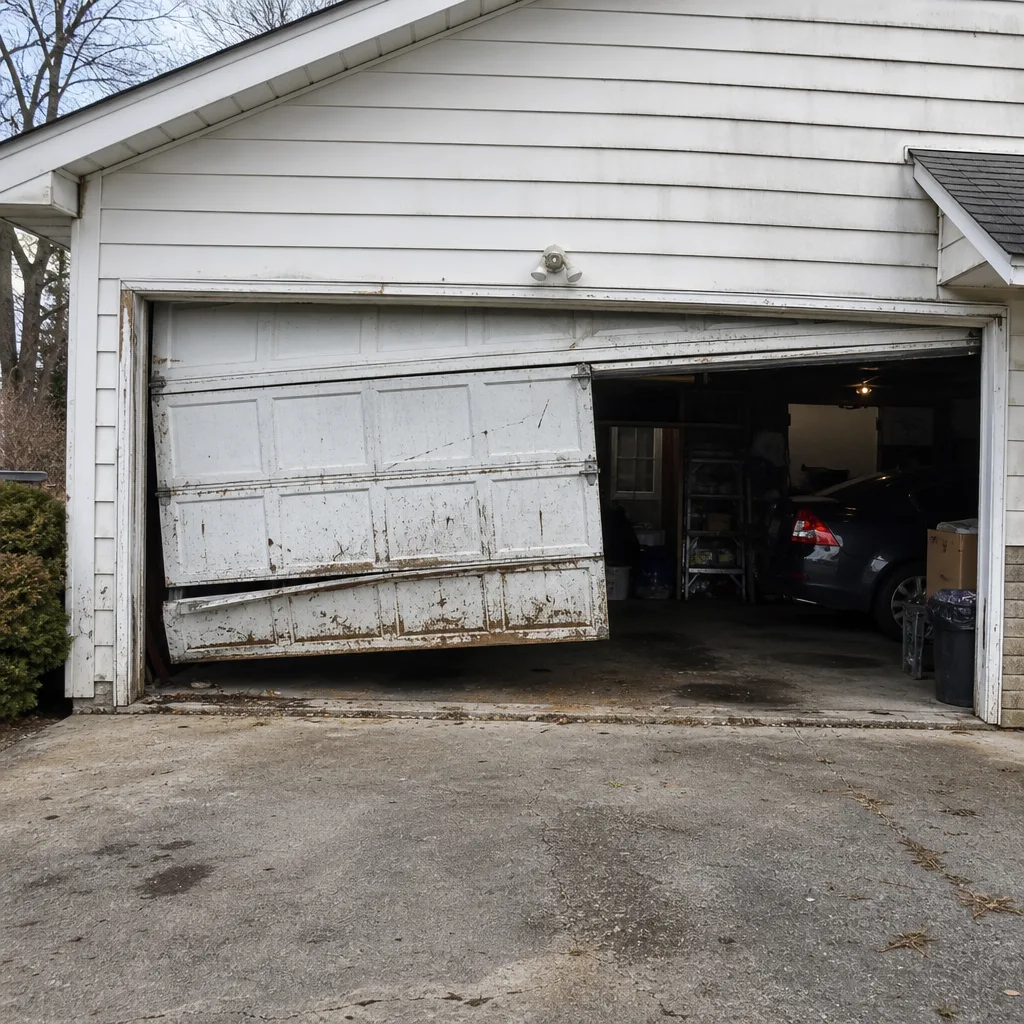 Before
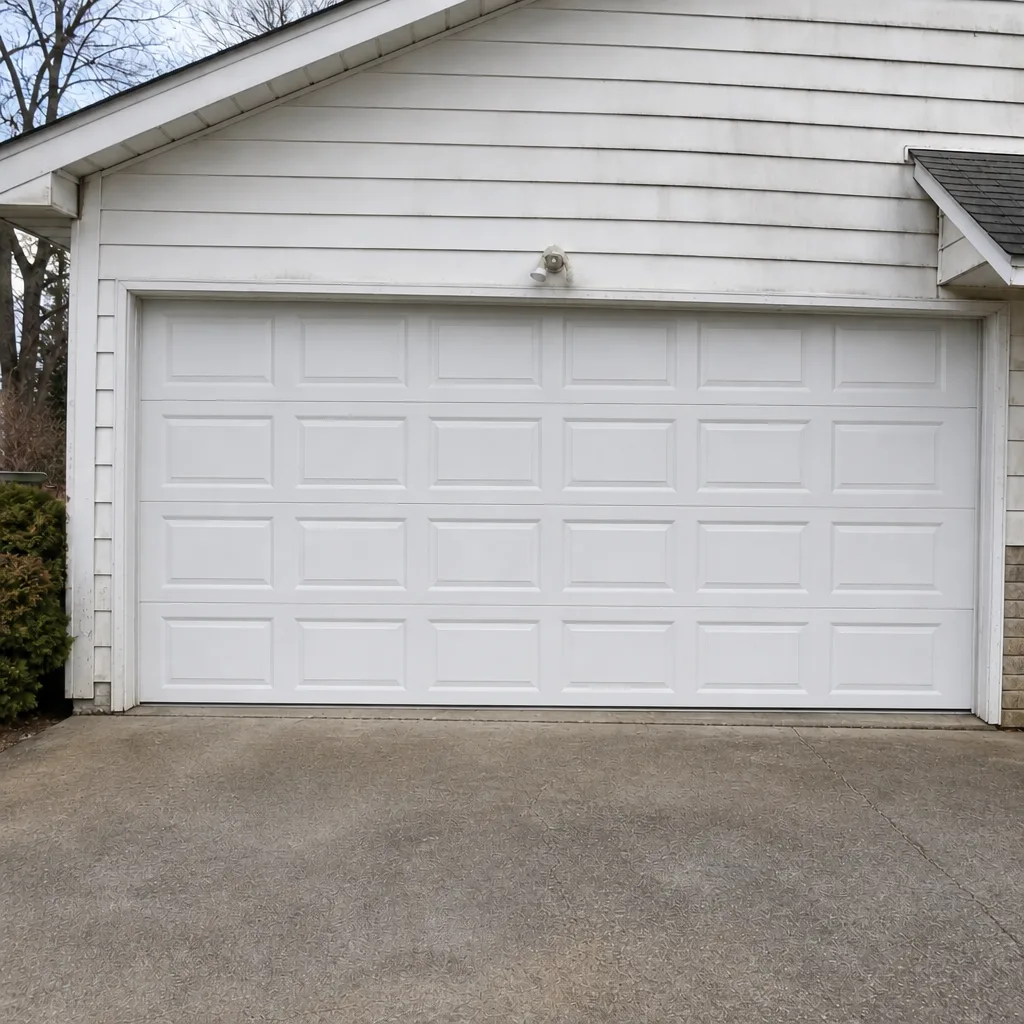 After
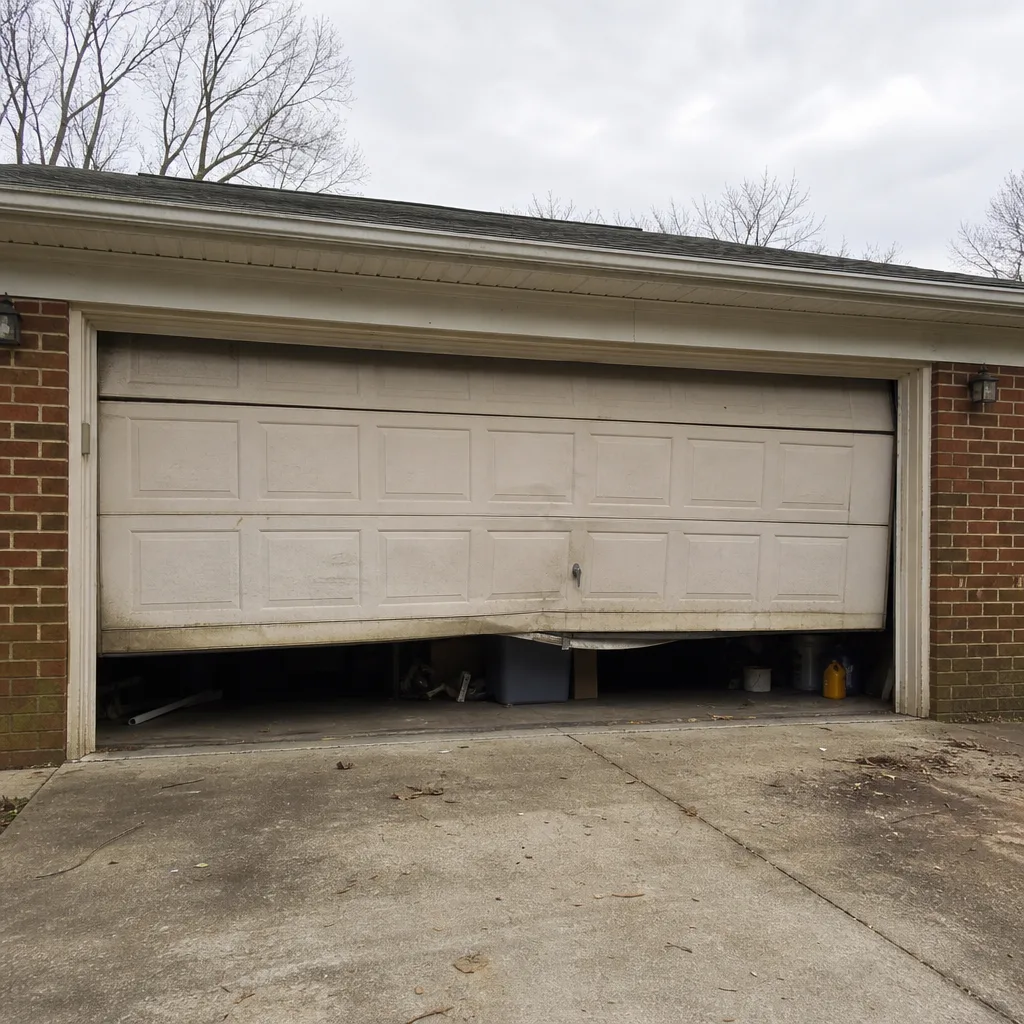 Before
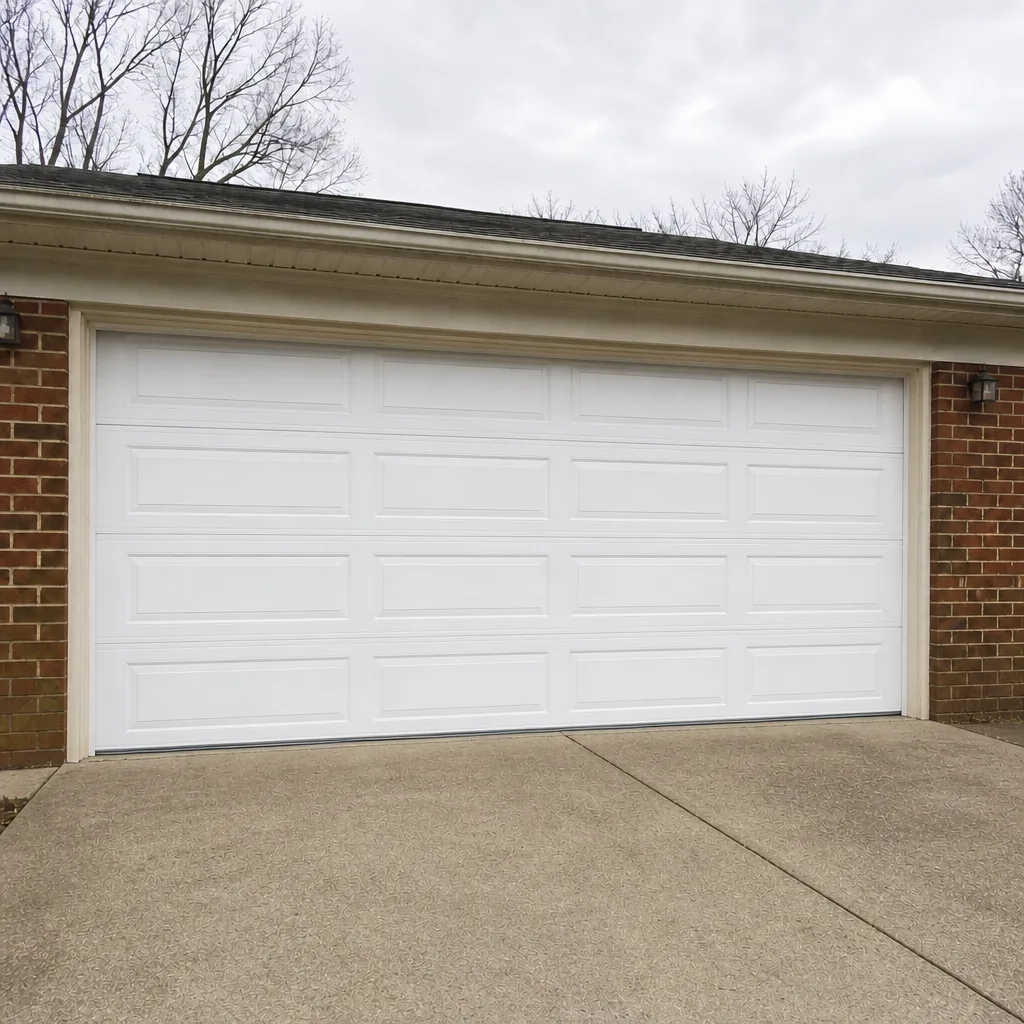 After
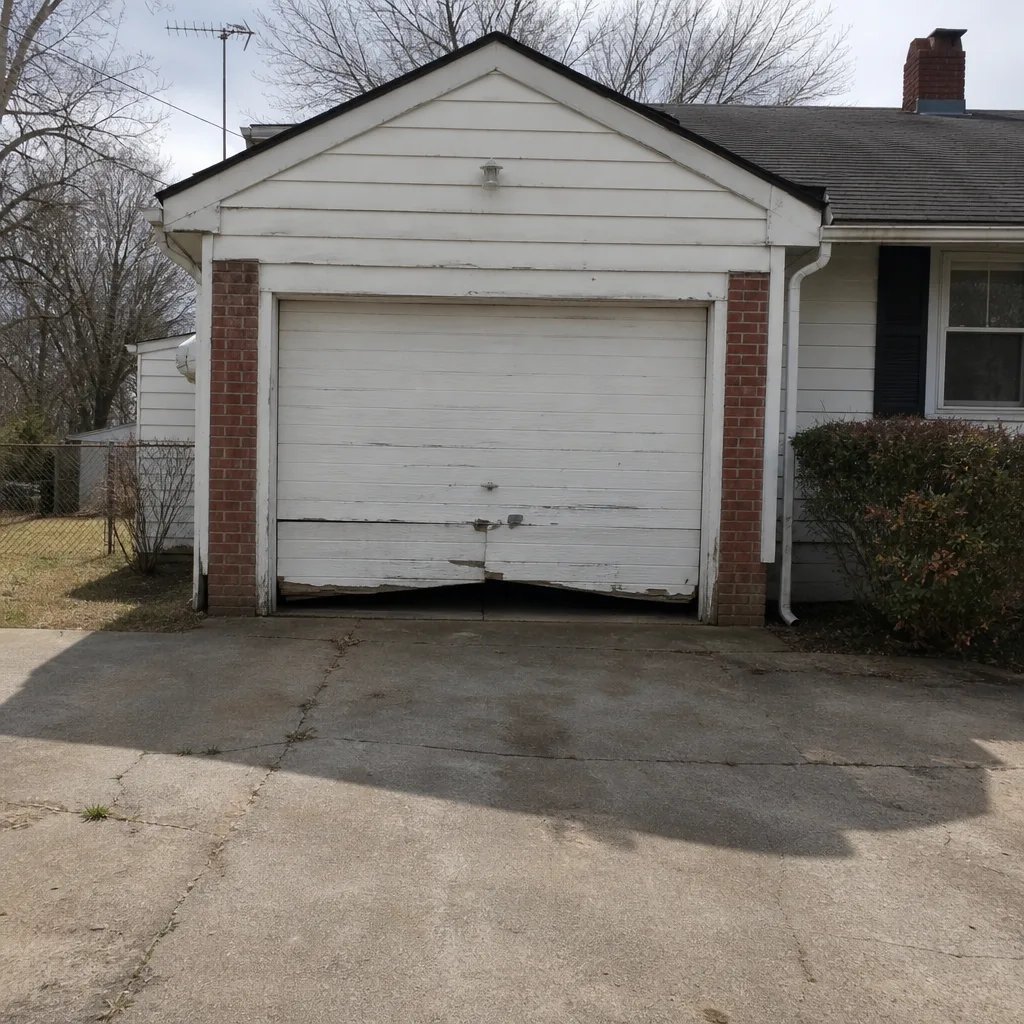 Before
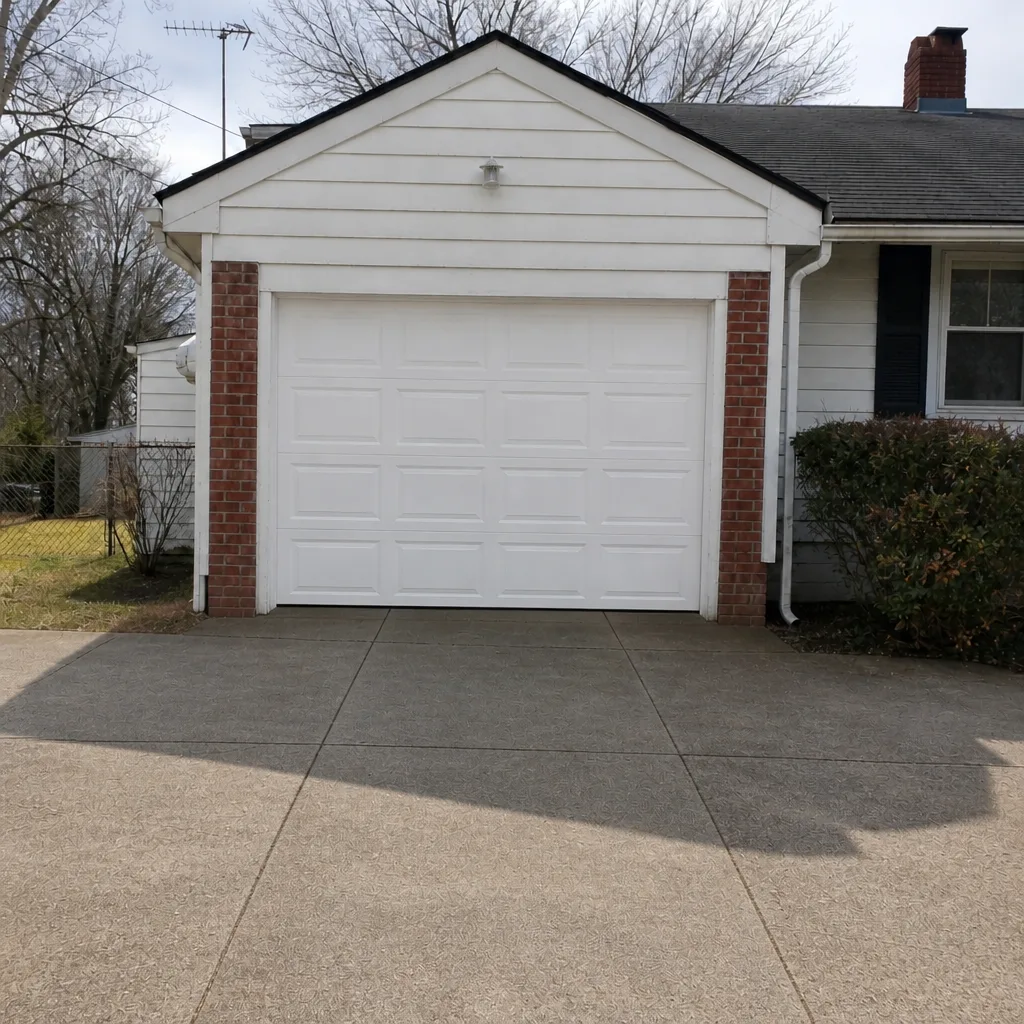 After
The Bottom Line
The permit rule in Prince George’s County comes down to one question: is the project a like-for-like replacement, or does it change the building? Same-size door on the existing circuit usually doesn’t need a permit. A new door size, modified framing, or new electrical does. UL 325 compliance is required on every opener regardless of permits, and the failure is almost always installation, not product. An unpermitted project can follow a property through a sale, and the fix is always easier earlier than later. If you’re planning a project in Clinton, get the scope in writing, confirm who pulls the permit, and keep the records in the house file. Call (866) 937-9005 for a free estimate. We answer 24/7. Fast dispatch from 7am to 7pm, Sunday through Friday. For a full picture of what we do, visit Clinton Garage Door Repair Pros.
Frequently Asked Questions (continued)
A replacement swaps one door and its mechanical parts for equivalent ones, while a structural modification changes the opening, the framing, or the electrical system that supports the door. That’s the line that matters in Prince George’s County. A replacement typically needs no permit. A structural modification generally does, because it changes the building. If your project involves cutting into the header, sistering studs, changing the rough opening, or running new wire, it’s crossing the line. If it’s a same-size door on the same opener circuit, it’s staying on the replacement side. Call (866) 937-9005 for a free estimate and we’ll help you sort out which side your project falls on.
For permit purposes, no – the county is reviewing the structural and electrical work, not the brand. For code compliance, the brand matters only as far as UL 325 and any other applicable standards, and openers from Chamberlain, Genie, Amarr, and Clopay all meet or exceed the standard. For the practical side of the project, brand matters quite a bit: spring life, opener cycle ratings, and the availability of replacement parts all vary, and the technicians who work on your door should already know the brand’s quirks. Our technicians have up to 10 years of experience with the brands we service, and we work on the brand you already have. Call (866) 937-9005 for a free estimate.
Get the paperwork current as soon as you know. The path is to contact Prince George’s County’s permitting office, describe the work that was done, and start an after-the-fact permit application. That usually means a fee, a description of the scope, and an inspection. The inspector will check the framing, the electrical, and the opener safety features, and may call out corrections. A missing permit doesn’t get better with time – it gets discovered at sale or refinance, and the remediation is more expensive once it’s tied to a stalled closing. Call (866) 937-9005 and we can help you think through the sequence.
Timelines for garage door permits in Prince George’s County vary with the county’s review queue and with the completeness of the application, and we can’t promise a specific number of days. What we can say is that a complete application with a clear scope and accurate door specifications moves more quickly than one that has to be revised. The inspection itself is a short visit. The variable is the county’s schedule, not the work. Filing early is the best way to keep the timeline reasonable. Call (866) 937-9005 – estimates are free and we’ll walk through the process with you.
More on How Permits and Code Intersect in Clinton
Clinton sits inside Prince George’s County, and the county handles permitting and inspections for garage door projects across the area. That’s useful to know because it means the rules don’t vary from block to block the way they would in a place with multiple jurisdictions – the same permitting office applies the same code to a project on one side of town and a project on the other. The neighborhood names, the housing stock, and the age of the doors vary, but the permit rules don’t. What varies is the type of project. Older homes in Clinton tend to have original doors and openers, and homeowners there are more likely to be facing a full replacement or an opener upgrade than a minor adjustment. Newer homes may already have modern doors but are more likely to have the smart openers that require an outlet where the original installer didn’t put one.
The point of all this for a Clinton homeowner is straightforward. Figure out which project you actually have before you commit to it. If it’s a like-for-like replacement, you’re on the simple path. If it involves a structural change or new electrical work, it’s not, and the paperwork needs to be lined up first. The line between the two is not always obvious, and it’s worth asking the question early rather than late.
For the everyday repair work that most Clinton homeowners need – opener repair, spring work, doors that won’t close – permits rarely come into it, and the priority is getting the door safe and working. A broken spring or a stuck door is a safety and security issue, and it’s the kind of thing that garage door opener repair or a spring service call can resolve. If it turns out the door is beyond economical repair, the replacement conversation is where the permit question becomes worth asking, and it’s the right moment to line up the paperwork before the door gets ordered.
Whether the project is a repair or a replacement, the thing that matters most is that the work gets done correctly. Springs, cables, and opener electrical are not do-it-yourself territory, and the safety features on every opener are there because the door is a safety system, not just a convenience. Our technicians have up to 10 years of experience on the mechanical and safety side of this work, and we test every UL 325 feature we can before we sign off. It’s the difference between a door that closes and a door that closes safely.
Written by the team at Clinton Garage Door Repair Pros.