
Last updated November 23, 2026
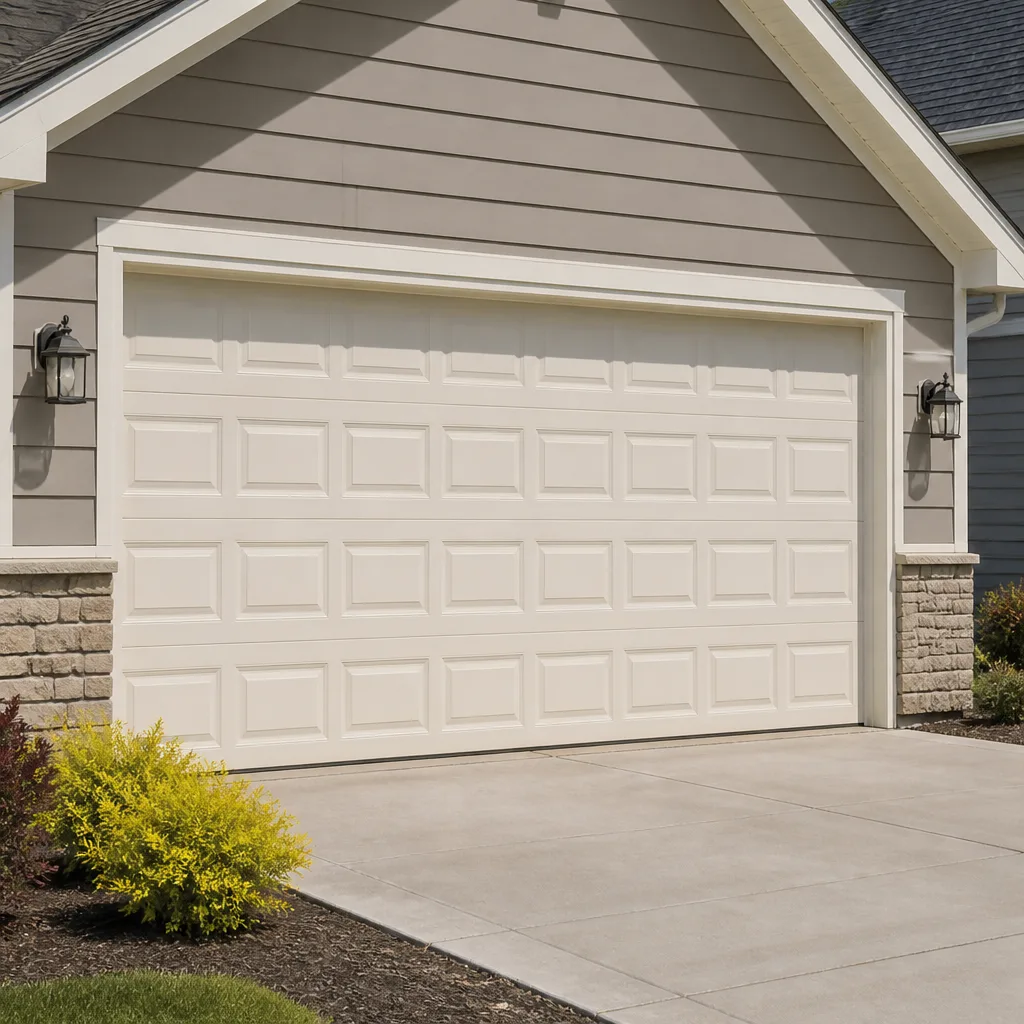 Raised-panel steel
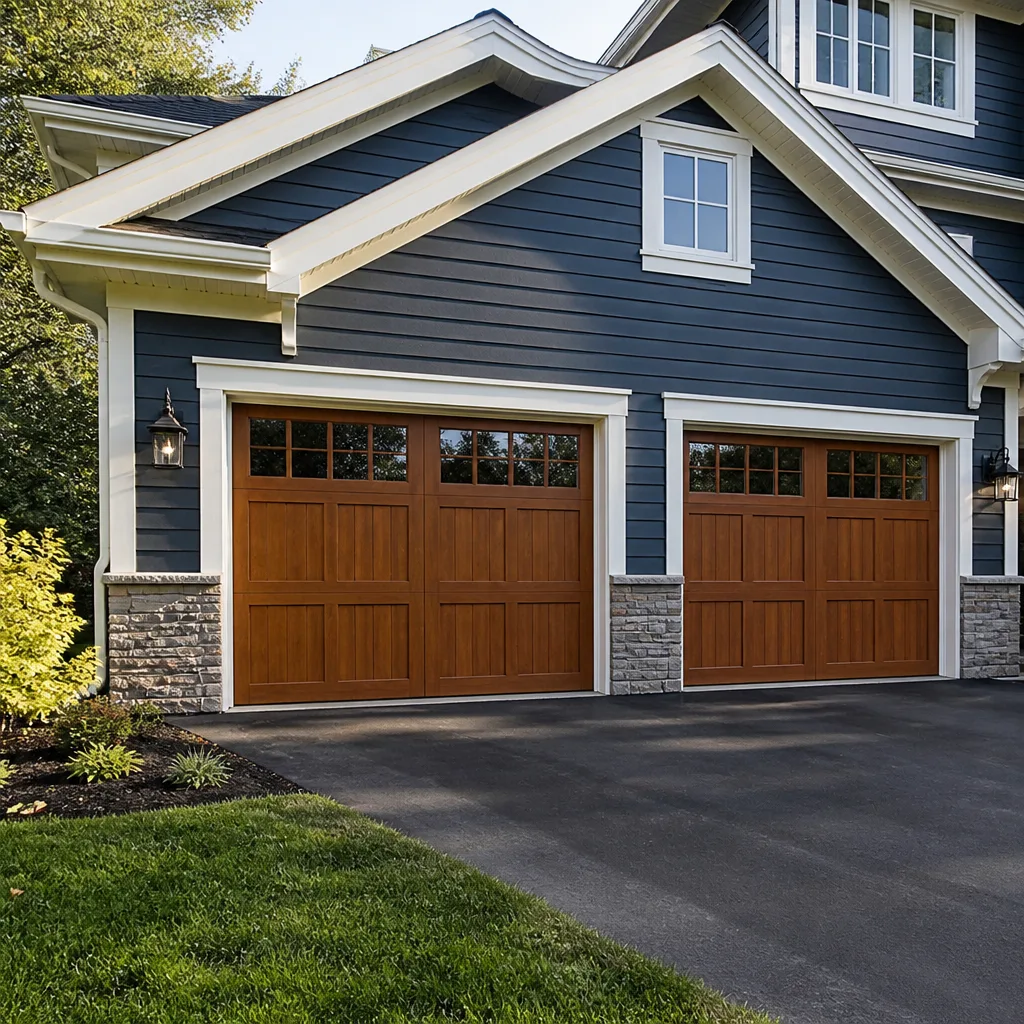
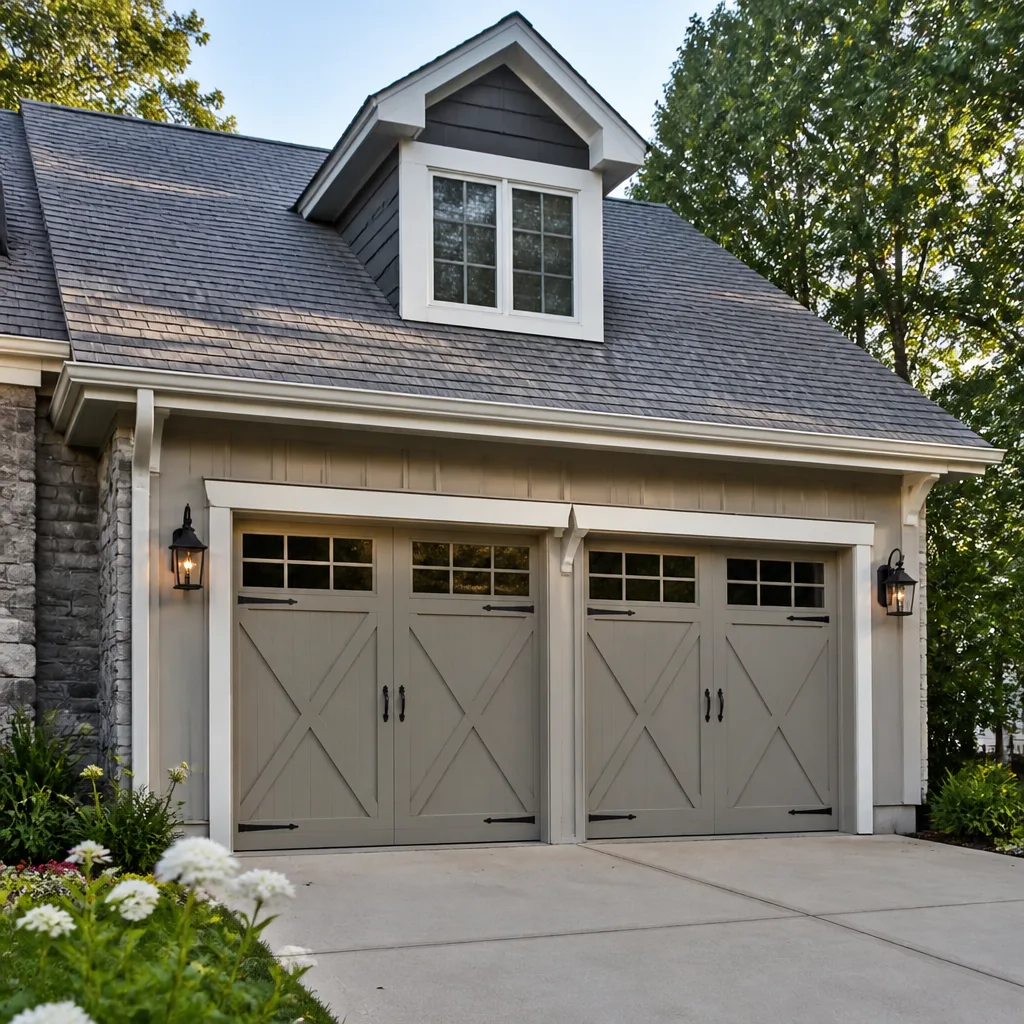 Carriage house
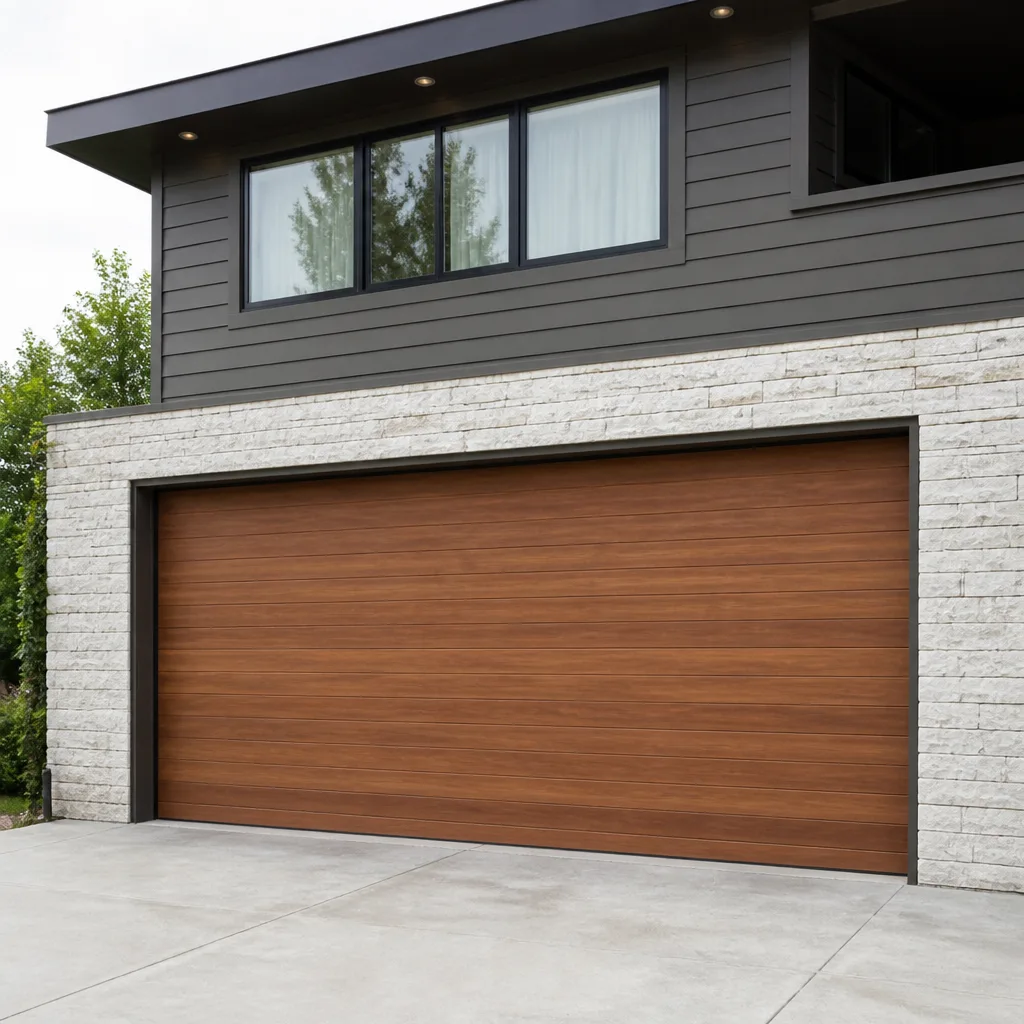 Modern flush
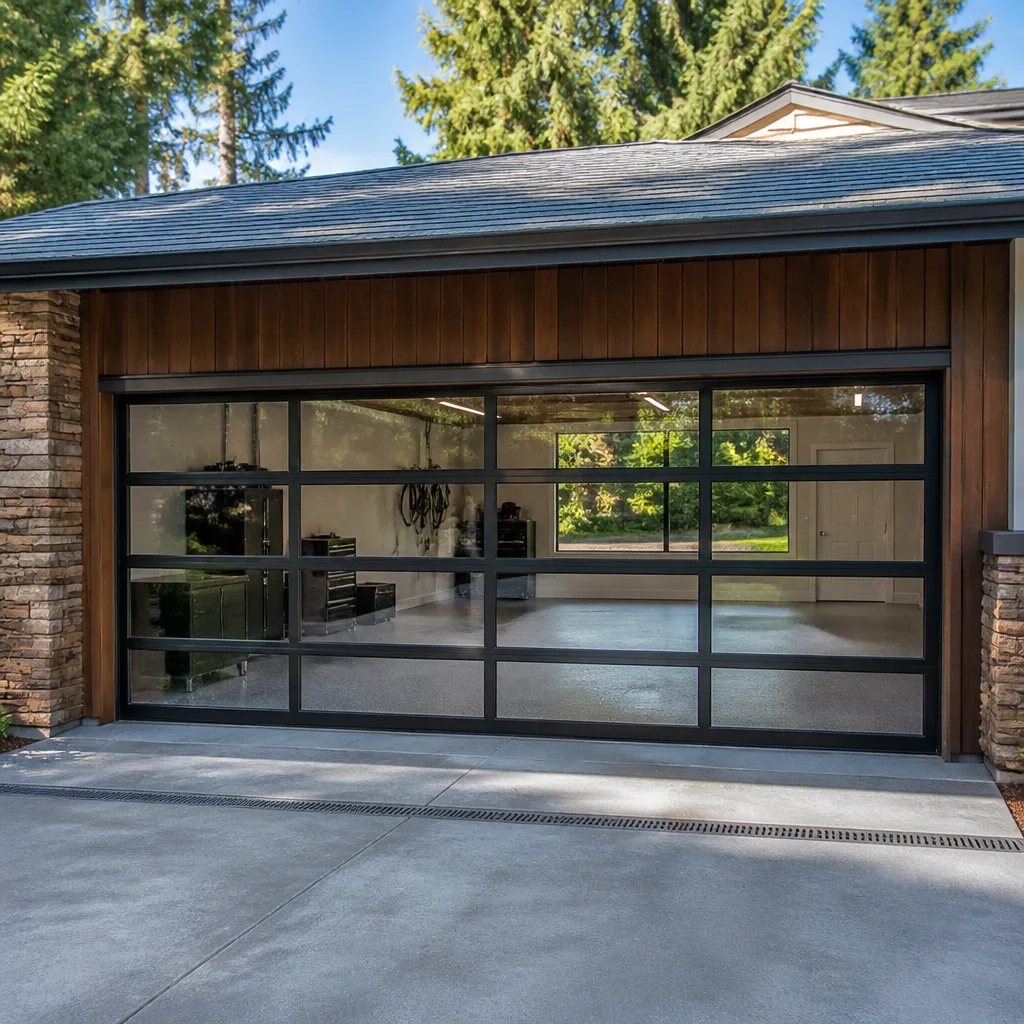 Full-view glass
 LiftMaster openers
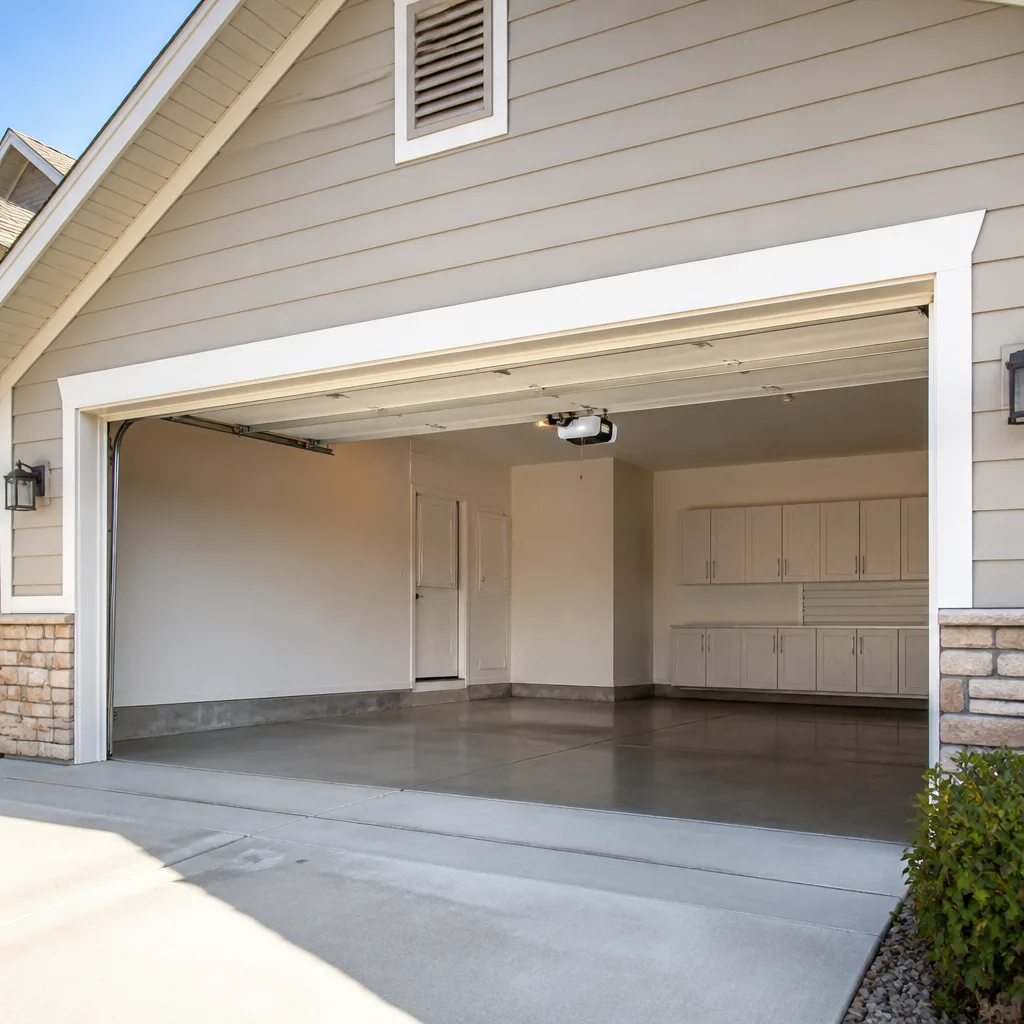 Chamberlain openers
Full 25-point door and opener safety check with every visit - springs, cables, rollers, tracks, and your LiftMaster or Chamberlain opener included
You get a price before we start. It does not change when the pro arrives.
Get your free estimateGarage Door Repair Maintenance Checklist for Clinton Homeowners
A homeowner who sprays WD-40 on a torsion spring because a checklist said “lubricate springs” has just accelerated the corrosion they were trying to prevent. That’s the problem with most garage door maintenance advice: it names a task but never names the product, the interval, or the failure it’s supposed to prevent. A checklist you can’t actually follow isn’t a checklist, it’s a false sense of security. This guide fixes that. Every task below has a specific interval, the right material, and a plain explanation of what breaks if you skip it. We work on garage doors in Clinton every week, and we’ve seen which shortcuts come back to bite homeowners and which ones genuinely don’t matter. Keep reading and you’ll have a maintenance routine you can run on your own door, plus a clear line for what to hand to a trained technician.
Quick Answer
A workable garage door maintenance routine has three tiers: monthly checks (balance, photo-eyes, and a listen for new noises), biannual tasks (lubricating springs, hinges, and rollers with the right product), and annual inspections (hardware, cables, and the door’s overall alignment). The single most important rule is to lubricate with a dedicated garage door lubricant, not WD-40, and to never touch the springs, cables, or bottom brackets yourself. Everything else on this list is safe for a careful homeowner.
Styles & brands we work with
- Raised-panel steel
- Carriage house
- Modern flush
- Full-view glass
- LiftMaster openers
- Chamberlain openers
Table of Contents
- Why Garage Doors in Clinton Age the Way They Do
- Monthly Tasks: The Two-Minute Safety Check
- Lubrication Done Right: Which Product Goes Where
- Testing Auto-Reverse and Photo-Eyes Without Special Tools
- What a Visual Hardware Inspection Actually Looks Like
- What Voids a Warranty and What’s Safe to Do Yourself
- A Seasonal Calendar for Clinton’s Weather
- When to Call a Professional
Why Garage Doors in Clinton Age the Way They Do
Clinton sits in Prince George’s County, and the weather here swings hard enough across a year to work on every part of a garage door. Summers bring heat and humidity that make wood door frames swell and metal panels expand. Winters bring freezing nights that stiffen grease in the rollers and make cold steel more brittle. Add the pollen that coats every outdoor surface in spring, and your door’s moving parts see four distinct seasons of stress, not a steady climate. That’s why maintenance intervals here can’t be a single annual checkbox like they can in milder places.
Our technicians have up to 10 years of experience working on garage doors in and around Clinton, and the pattern is consistent: doors that get a genuine twice-a-year lubrication and a monthly two-minute check last noticeably longer between repairs than doors that only get attention when something breaks. The difference isn’t the door’s brand. It’s whether anyone ever looked at the hinges and listened to the opener.
The housing stock matters too. Many homes in Clinton have older single-car and two-car doors with the original openers still running, and those openers are the ones that need the most attention. If you’ve got a LiftMaster or Chamberlain unit that’s been in service a while, a little routine care goes a long way. When an opener does start to fail, that’s a job for garage door opener repair, not a checklist item, but the maintenance below is what keeps that call from happening sooner than it needs to.
- Spring and fall: the two best times to lubricate, because the door is about to face its hardest working conditions
- Summer: watch for swollen wooden frames and doors that stick in the tracks
- Winter: listen for stiff, groaning rollers and check that the door still reverses on contact
- Year-round: a monthly visual and safety check catches the small things before they become repairs
Monthly Tasks: The Two-Minute Safety Check
The monthly check isn’t about making your door last longer, it’s about confirming it’s still safe to operate. Two minutes, no tools beyond your own hands, done once a month. If anything below fails, stop using the door and book a service visit.
- Disconnect the opener and lift the door by hand. A properly balanced door lifts with modest effort and stays put when you let go about halfway up. If it drops, slams, or takes real muscle to lift, the springs are under- or over-tensioned and a technician needs to look at it.
- Check the photo-eyes. Look at the two small lenses near the floor on each side of the opening. The indicator light on each should be solid, not blinking. Wipe them with a dry cloth if they’re dusty; pollen and road grime collect on them here.
- Test the auto-reverse on contact. More on the exact method in the section below.
- Listen. Open and close the door once and pay attention. Grinding, squealing, popping, or a rhythmic thump are all early warnings. A door that’s been quiet for years and suddenly isn’t is telling you something.
- Look at the bottom seal. A cracked or missing bottom seal lets in water, insects, and cold air, and in Clinton that matters through every season change. It’s one of the cheapest parts to replace and one of the easiest to ignore.
That’s it for monthly. Resist the urge to add more. The point of a monthly check is that it’s short enough you’ll actually do it. The deeper work belongs on the biannual and annual schedule.
Lubrication Done Right: Which Product Goes Where
This is where most homeowners go wrong, and it’s why we put it near the top of this guide. “Lubricate moving parts” is the phrase that gets people into trouble, because not every moving part wants the same product, and one common spray is actively wrong for the most important component on your door.
Use a dedicated garage door lubricant, not WD-40
WD-40’s standard spray is a solvent and water displacer, not a long-term lubricant. On a torsion spring it strips away whatever protective film is left and leaves bare steel to the humidity, so the corrosion the homeowner was trying to prevent happens faster. On rollers, a thin solvent spray does nothing lasting. What you want is a purpose-made garage door lubricant, typically a lithium- or silicone-based spray that leaves a tacky film. Some hardware stores sell it labeled exactly that. Read the can and confirm it says “garage door” or “lithium grease.”
What gets lubricated, and what doesn’t
- Torsion springs and extension springs: a light coat of garage door lubricant, twice a year. Do this from a safe distance with the door fully closed, and never while the door is under tension. If you’re not comfortable reaching the spring safely, leave it to a technician. This is also the component at the center of garage door spring repair, and it’s the riskiest part on the whole door.
- Hinges: one or two drops of lubricant at each hinge pivot, twice a year. Hinges are safe to reach and easy to service.
- Rollers: a light spray on metal rollers. Never lubricate nylon rollers; they’re meant to run dry and grease attracts grit that wears them out.
- Tracks: do not lubricate the tracks. Clean them with a damp cloth and leave them dry. Grease in the tracks collects dust and turns into a grinding paste.
- Opener rail and chain: a light coat on the rail and chain, twice a year, using the lubricant the opener maker specifies. Belt-drive openers typically need nothing.
That’s five components, two intervals, one product. If you own a Wayne Dalton or Raynor door with a distinctive roller system, check the manufacturer’s maintenance sheet to confirm your roller type before you spray anything on it. When in doubt, don’t guess; book a service visit and let a trained tech handle the spring side. Everything else on the list is a homeowner job.
Testing Auto-Reverse and Photo-Eyes Without Special Tools
Auto-reverse is your door’s most important safety feature, and it’s the one most homeowners think they’ve tested when they actually haven’t. You don’t need any special tools. You need two methods, one after the other, because each catches a different failure.
The photo-eye test
- Stand where you can see both lenses near the floor.
- Close the door using the wall button or remote.
- While the door is closing, wave a broomstick or your foot through the beam between the two lenses. Don’t use your hand; use something you’d be fine replacing.
- The door should reverse immediately and return to fully open. If it continues closing, the eyes are misaligned, blocked, or wiring is loose. Stop using the door until it’s fixed.
Photo-eye problems are often just dust on the lens or an object nudged into the beam. If a clear lens and a clean path don’t solve it, that’s an opener-side issue worth a professional look.
The contact-reverse test
This one checks the door’s force sensing, which is a separate safety circuit from the photo-eyes. With the door fully open, place a 2×4 or a firm rolled-up towel flat on the floor directly under the door’s path. Close the door. When the bottom edge contacts the obstacle, the door should reverse within roughly the first couple of inches of travel. If it presses down, holds, or grinds against the object before reversing, the force limit is set too high.
On LiftMaster and Chamberlain openers, the force setting is adjusted on the opener housing itself. We won’t walk you through changing the limit here because a wrong setting is worse than a high one. If the door fails this test, call us and we’ll set it correctly. The point of the test is diagnosis, not repair. For doors with Genie or other opener brands, the test method is the same; only the adjustment differs.
What a Visual Hardware Inspection Actually Looks Like
“Inspect hardware” means almost nothing to most homeowners. Here’s what to actually look at, and what you’re looking for. Do this once a year, in daylight, with the door closed and the opener disconnected so nothing can move while you’re near it.
- Hinges: look at each one for a bent leaf or a loose bolt. A bending hinge is often a sign that the door is misaligned and putting stress somewhere it shouldn’t. Gaps at the panel seams where hinges attach are a warning.
- Cables: the steel cables that run from the corners of the door up to the spring area should be straight and taut, with no visible fraying, kinks, or rust spots where they run through the drums. Frayed cables are a hard stop; do not use the door and do not touch the cable. This is a technician job.
- Bottom brackets: the metal brackets that hold the cable at the bottom corners are under tension from the spring. Look for cracks or separation, but only from a distance. Never put a tool on a bottom bracket to “tighten it.” That bracket can cause serious injury when it fails under tension.
- Panels: look down the length of the door from the side for panels that aren’t sitting flush. One panel out of line usually means a hinge or roller has shifted, and it’s the kind of thing that gets worse.
- Tracks: check that the vertical and horizontal tracks are still straight and firmly attached to the wall and ceiling. A small dent in a track can send a roller off its path.
- Weather seal and bottom seal: look for cracks, brittleness, or gaps at the floor. Clinton’s humid summers and cold winters both work on rubber, and seals age out faster than the rest of the door.
You don’t need to diagnose anything you find. Just note it and decide whether it’s a homeowner fix (a loose hinge bolt, a worn seal) or a call. Springs, cables, and bottom brackets are never a homeowner fix. Everything else usually is.
What Voids a Warranty and What’s Safe to Do Yourself
Manufacturers don’t void warranties for cleaning and lubricating. They void warranties for incorrect installation, unapproved parts, and altering the door’s force or limit settings wrong. That last one bites homeowners who fiddle with the opener’s adjustment screws trying to fix a door that’s actually misaligned, and the resulting damage isn’t covered. If a door or opener is under warranty and something feels off, the safest move is to have a trained technician look at it before you turn a screw.
Safe for homeowners
- Monthly balance check, photo-eye testing, contact-reverse testing
- Lubricating hinges, metal rollers, the opener rail, and the chain with the right product
- Cleaning tracks with a cloth and leaving them dry
- Wiping photo-eye lenses and clearing debris
- Replacing a bottom seal or weatherstrip
- Tightening hinge bolts that have loosened
Not safe for homeowners
- Anything involving the torsion spring, extension springs, or their brackets
- Cables, cable drums, and bottom brackets, all of which are under tension
- Adjusting the opener’s force or travel limits yourself
- Removing or reinstalling a door panel
- Replacing an opener’s main drive gear
Our rule of thumb: if a task involves reaching above your head near the spring, or touching anything that holds tension, it’s a technician job. That’s not about upselling. Springs and cables can store enough energy to cause serious injury when they fail, and even experienced technicians treat them with respect. The garage door repair side of our work is dominated by these components for exactly that reason.
A Seasonal Calendar for Clinton’s Weather
Here’s the same information arranged by season, so you can put it on a calendar and not think about it again until the next date.
Spring
- Full lubrication pass: springs, hinges, metal rollers, opener rail
- Clear winter’s grit and pollen from the tracks with a dry cloth
- Run the auto-reverse and photo-eye tests
- Check the bottom seal for winter cracking
Summer
- Monthly balance and listen checks, on schedule
- Watch for wooden door frames that have swollen and doors that stick or bind
- Keep photo-eye lenses clean; this is when dust and pollen collect fastest
Fall
- Second full lubrication pass before the cold sets in
- Full annual hardware inspection: hinges, cables, brackets, panels, tracks
- Check the opener’s force and limit, or have a technician confirm them
- Confirm the weather seal at the bottom is intact before freezing nights arrive
Winter
- Listen for stiff, groaning rollers, a sign of cold grease or worn rollers
- Run the contact-reverse test; cold can affect force sensing
- Keep the bottom seal intact to keep out snowmelt and cold air
Two lubrication passes and one hardware inspection a year is the rhythm. Everything else is the monthly two-minute check. If you’re in Clinton and your door has been running on the original springs and rollers for a decade, that fall inspection is where you’ll find the most to do. For a wider look at what a repair visit covers beyond maintenance, see our main repair services.
Common Mistakes to Avoid
- Spraying WD-40 on the springs. It’s a solvent, not a lubricant; it strips the protective film and speeds up corrosion. Use a dedicated garage door lubricant.
- Greasing the tracks. Grease in the tracks collects dust and turns into an abrasive paste that wears out rollers. Tracks get cleaned and left dry.
- Tightening a bottom bracket to stop a noise. The bracket is under spring tension and can fail catastrophically if disturbed. It’s a technician job, always.
- Adjusting the opener’s force to fix a binding door. Turning up the force to push a misaligned door just masks the real problem and can void the warranty on a LiftMaster or Chamberlain unit. Fix the alignment, not the force.
- Testing auto-reverse with your hand or foot. Use a broomstick or a firm object on the floor. A door that fails the test is a door that would have hurt you.
- Skipping the monthly balance check because the door “seems fine.” Springs weaken slowly. The balance test is the only way to catch it before the door starts working harder than it should.
- Ignoring a new noise. Grinding or squealing is the door asking for attention. In Clinton’s humidity swings, small lubrication misses turn into worn rollers faster than you’d expect.
See the difference
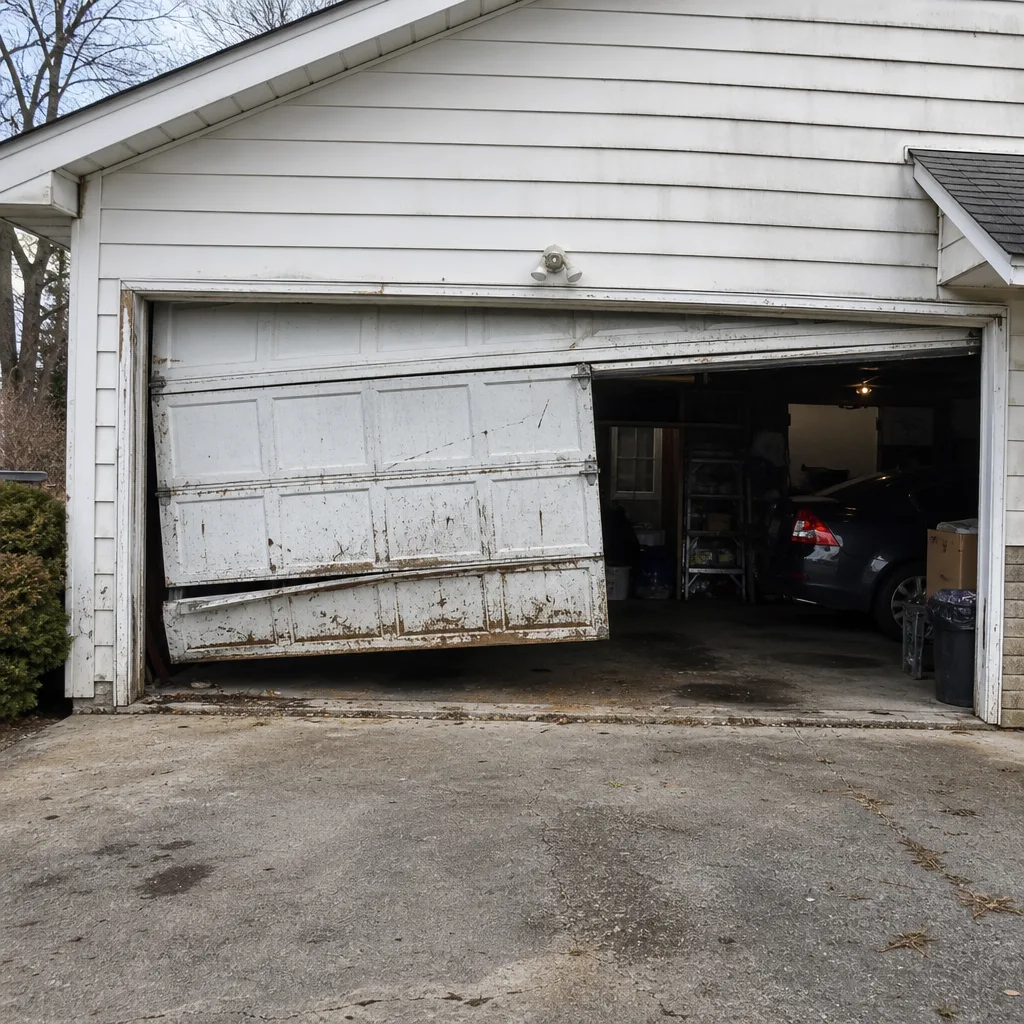 Before
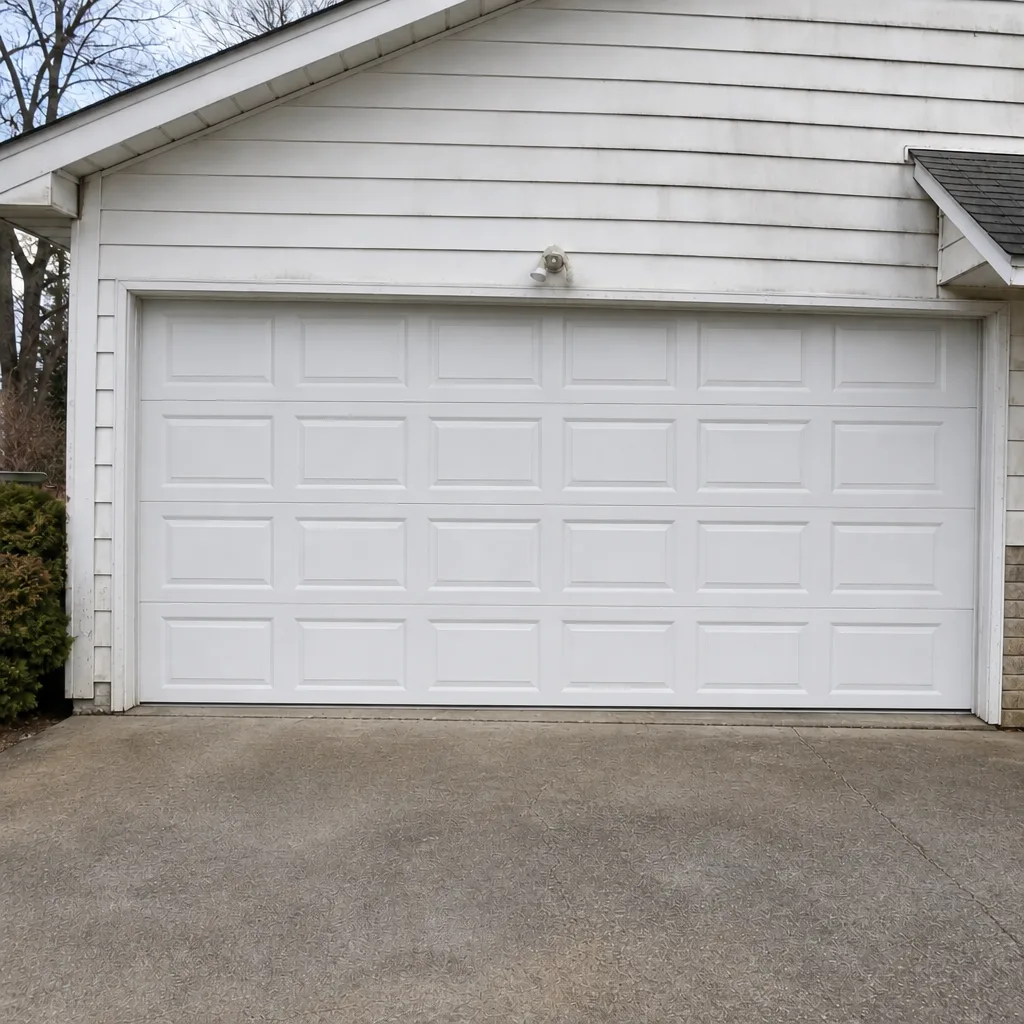 After
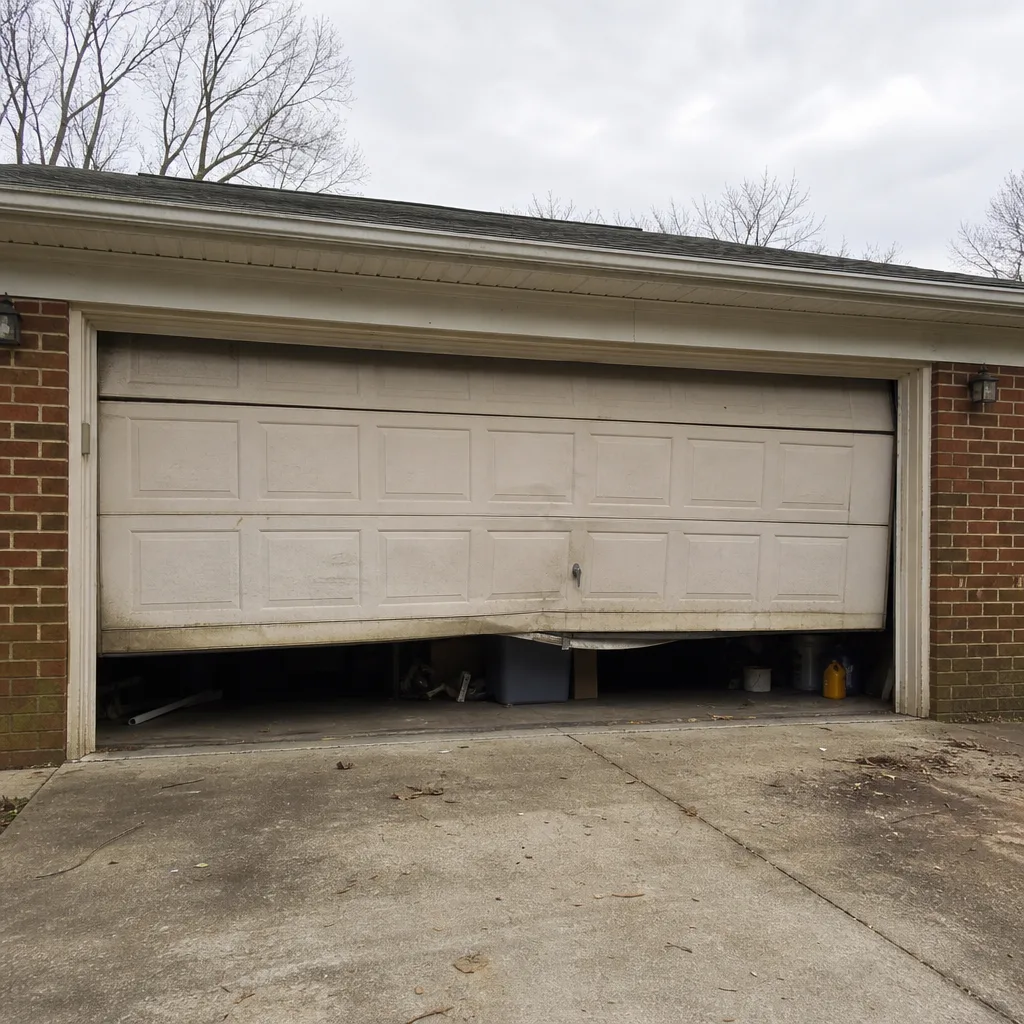 Before
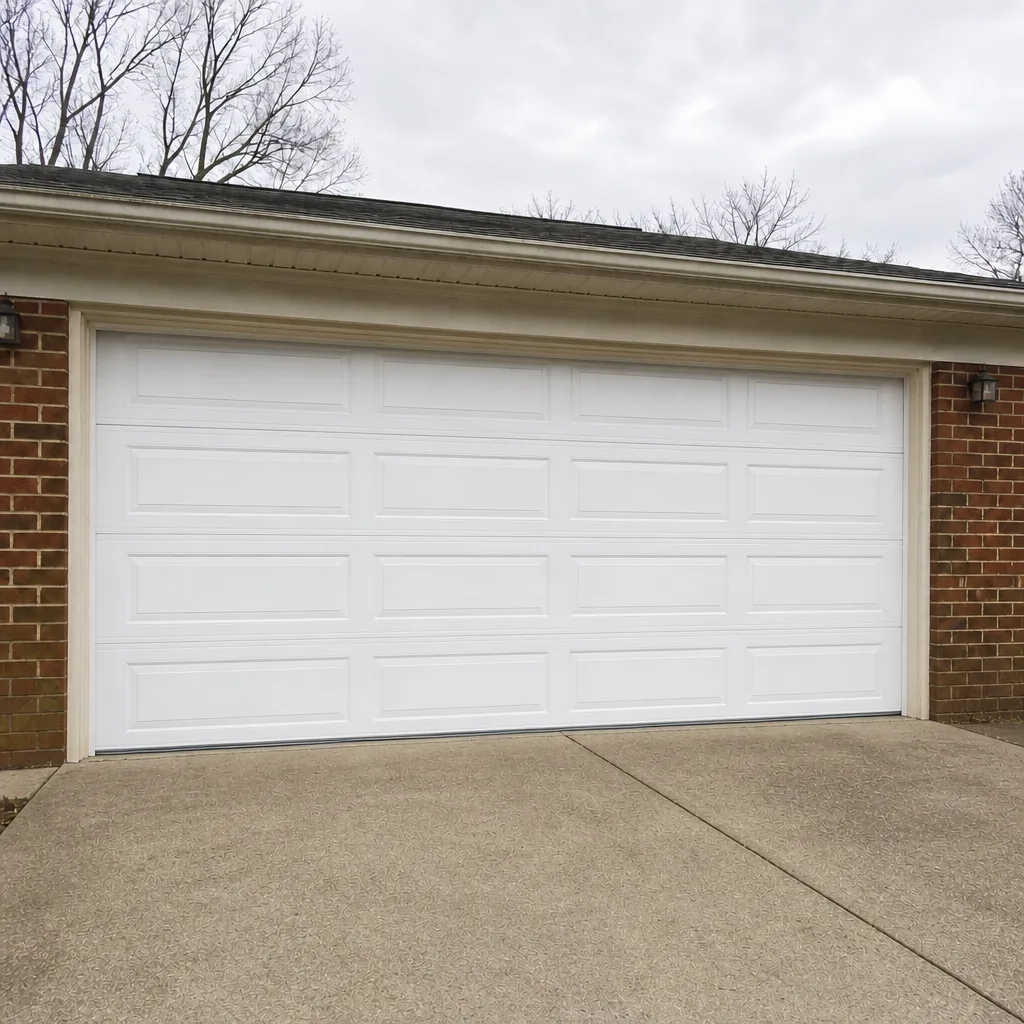 After
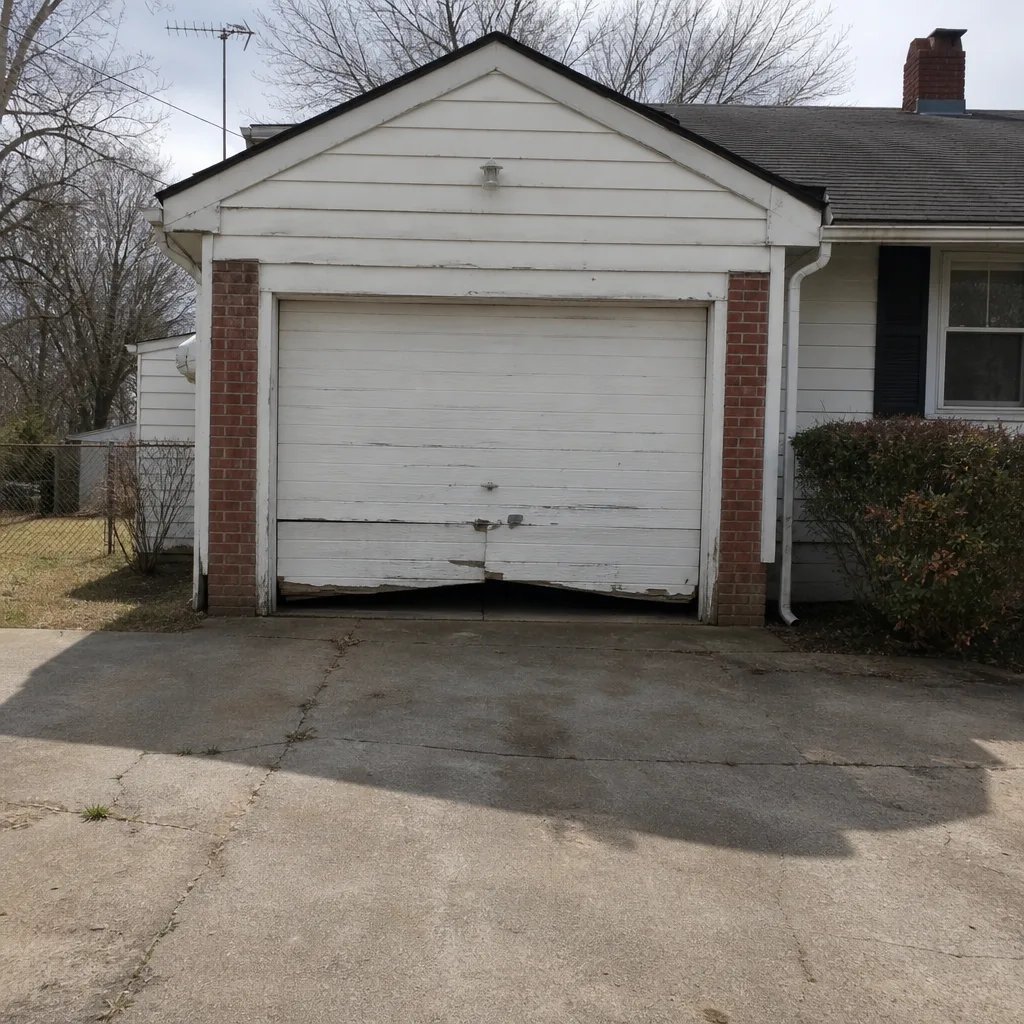 Before
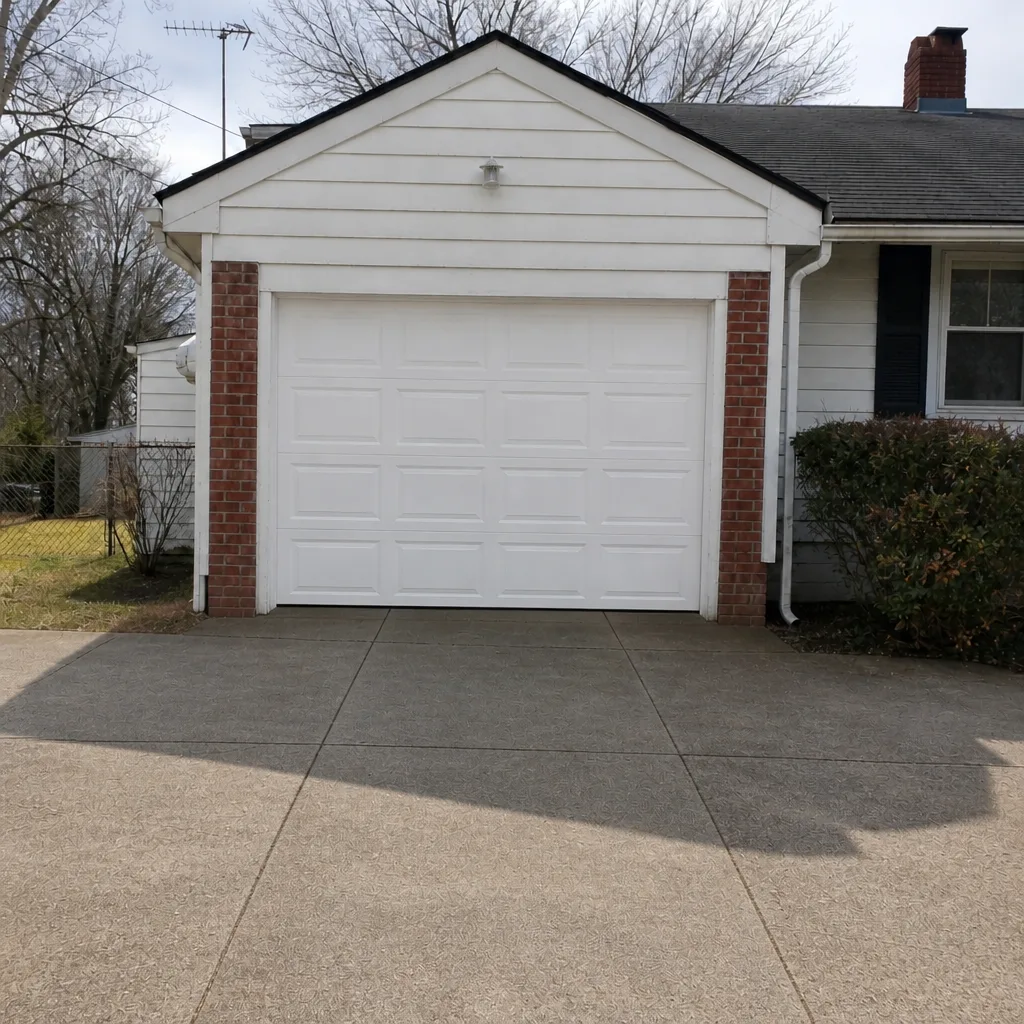 After
When to Call a Professional
Call us when a task on the “not safe” list needs doing, when the door fails the balance or auto-reverse test, or when a noise you’ve been ignoring turns into a symptom you can’t ignore: the door won’t close all the way, a panel is out of line, or the opener runs but the door doesn’t move. Springs, cables, and bottom brackets are never a do-it-yourself repair, no matter what a video says. Beyond that, call when you can’t tell whether the problem is the door or the opener; we can usually sort that out in one visit. Clinton Garage Door Repair Pros offers free estimates in Clinton, and we can work with your insurer if a repair falls under a claim. Call (866) 937-9005. We answer 24/7. Fast dispatch from 7am to 7pm, Sunday through Friday.
Frequently Asked Questions
Twice a year is the right interval for the springs, hinges, metal rollers, and opener rail, timed to spring and fall. The reason is climate: Clinton’s summers are humid enough to work on bare steel and winters cold enough to stiffen grease, so a single annual pass leaves the door exposed during its hardest seasons. Use a dedicated garage door lubricant, never WD-40 on the springs. If your door is loud or stiff between lubrications, a technician can take a look. Call (866) 937-9005; estimates are free.
Only with caution and only with the door fully closed, and only from a safe distance with a proper garage door lubricant. The springs hold the door’s weight under tension, and even routine contact should be done carefully. If you’re not confident reaching the spring safely, leave that part to a technician. Our team handles springs every day, and it’s one of the parts we treat most carefully. Call (866) 937-9005 for a free estimate.
Disconnect the opener and lift the door by hand to about halfway; a balanced door stays put on its own and a door that slams down or takes real effort to lift is out of balance. Balance problems usually mean worn springs or a hinge or roller issue. Stop using the door and have it checked. Call (866) 937-9005; estimates are free.
Yes, in a specific way: the swings matter more than the humidity alone. Clinton’s summers push metal panels to expand and wooden frames to swell, and the cold winters contract everything back. That cycle works on hinges, rollers, and seals, which is why a twice-a-year lubrication schedule and an annual hardware inspection suit this area better than a single yearly check.
Yes, a bottom seal or weatherstrip is a safe homeowner job. It’s not under tension, and the replacement is straightforward. The one caveat is that the bottom bracket holding the cable at each corner is under spring tension and must not be touched. If you can’t separate the seal from that bracket safely, call us. Call (866) 937-9005 for a free estimate.
Stop operating the opener to avoid burning out the motor, and call for service. The usual causes are a broken spring, a snapped cable, or a disengaged opener, and some of those are safety issues. Don’t try to diagnose the spring or cable yourself. We offer opener service and spring work on the major brands. Call (866) 937-9005; estimates are free.
The Bottom Line
A maintenance checklist only works if it’s specific. Assign every task an interval, match the right product to each component, and never confuse “lubricate moving parts” with “spray anything that moves.” Springs, hinges, and metal rollers take a dedicated garage door lubricant twice a year. Tracks get cleaned and left dry. Photo-eyes and auto-reverse get tested monthly with two distinct methods. The annual hardware inspection is where you catch the small problems before they become repairs, and the spring, cable, and bottom bracket stay off-limits for homeowners. Everything else is safe, and the routine is short enough to actually keep. If anything fails a test or a task is beyond the safe line, the door is worth a professional look.
At Clinton Garage Door Repair Pros, our technicians have up to 10 years of experience, and we handle repair, opener repair, spring repair, installation, and emergency service for the brands your door already has. From opener glitches to full installations, we work on the system in front of us. Call (866) 937-9005 for a free estimate. We answer 24/7. Fast dispatch from 7am to 7pm, Sunday through Friday. For everything from a Clinton Garage Door Repair Pros maintenance visit to a full door replacement, we’re here when you need us.
Written by the team at Clinton Garage Door Repair Pros.